Burnham’s ‘costly’ policy agenda sparks investor nerves

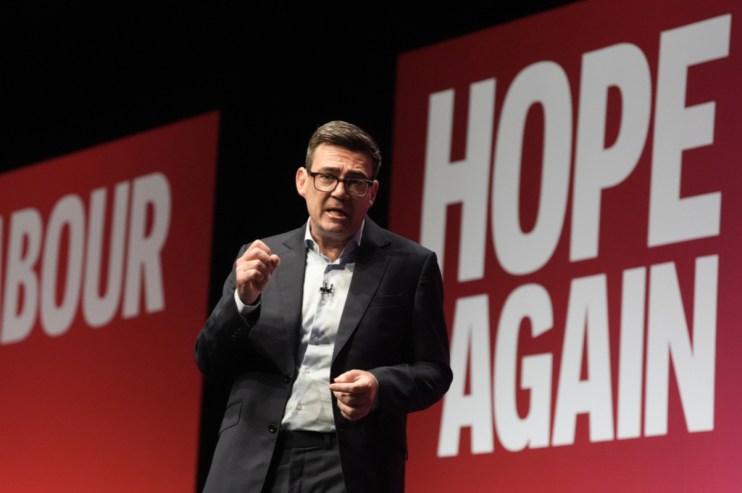
Andy Burnham’s “costly” policy agenda and the resurgent threat of inflation are weighing on investors’ appetite for the UK, according to a closely-watched survey of top money managers, which also revealed waning hopes of a rebound in London’s IPO market this year.
Berenberg’s Investor Barometer, which polled 300 international investors managing a combined $1 trillion, found that 40 per cent pointed to policy decisions as the biggest risk to Britain’s economy, unchanged from the last poll despite a change of government.
The findings highlight a “continuing lack of confidence in the current administration’s long-term fiscal framework”, authors of the study wrote, despite the UK boasting the most ambitious deficit reduction path of any G7 economy.
“New Prime Minister Andy Burnham’s costly initial ambitions kept government policy at the top of the list of investor concerns,” Berenberg chief UK economist Andrew Wishart said. “Burnham and the Chancellor have since conceded that higher spending is the wrong choice when borrowing and the tax burden are already problematically high, which gives us some reassurance that they will avoid a major policy error.”
Investors also raised concerns over inflation’s threat to UK growth. Double the number of asset managers said they were worried about the pace of price rises, which remains well above the Bank of England’s two per cent target, amid the ongoing war in Iran.
Inflation is expected to top four per cent early next year, as higher energy costs from the Middle East conflict start to appear on household bills and filter into the wider economy.
Investors expect IPO dearth to continue
Separately, the temperature check showed just 32 per cent of money managers expect IPO activity to pick up in the next 12 months. The figure, down from 63 per cent from the last barometer six months ago, comes after a barren run of debuts continuing into 2026.
Uzbekistan’s national investment fund, Uznif, became the only IPO of note this year when it listed a 30 per cent stake on the London and Tashkent stock exchanges in May. But the UK’s flagship bourse was given a shot in the arm last month when African payments firm Airtel Money announced plans for a £5.3bn IPO, in what could be London’s biggest primary capital raise in five years.
Piers Hillier, chief investment officer at Jupiter, said a credible IPO revival “could make the FTSE a more varied opportunity set for active investors”.
“UK valuations remain low both to history and other markets, evidenced by the current M&A activity, buybacks and capital returns,” he said. “The UK market has actually been highly divided: large international companies and areas such as mining, defence and financials have performed strongly while many domestically exposed companies have been overlooked.”
Despite pessimism over the UK’s IPO revival, appetite to participate in big ticket debuts rose, particularly among UK portfolio managers. Some 24 per cent of investors reported a strong or very strong appetite to participate in IPOs, up from 16 per cent in the spring. More than half of UK-only mandated investment managers want to be involved in IPOs, a sharp uptick.