Premier League front-of-shirt sponsorship revenues rise to £444m

Premier League clubs’ front-of-shirt sponsorship revenue has risen eight per cent to £444m despite implementing a voluntary ban on gambling firms.
The English top flight agreed to ban betting and casino brands from the lucrative front-of-shirt sponsorship slot in a move that lost the 20 clubs a collective £67m.
But Premier League teams have managed to replace that sum with £75m in front-of-shirt investments from other sponsors, according to research by Ampere Analysis.
The eight per cent increase has taken the value of the front-of-shirt market to £444m this season, after eight clubs replaced their gambling brands.
Clubs including Aston Villa (Batano), Everton (Stake) and Brentford (HollywoodBets) were all forced to ditch their main sponsors from last year, or shift them to sleeves and training kit inventory.
Adam Lewis of Ampere Analysis said: “With AI, payment, and trading companies now featuring on the front of Premier League clubs’ kits, the market has proven to be resilient despite the gambling ban.
“Betting companies are finding alternative routes to exposure through sleeves and training kits, but their overall investment has fallen sharply.
“Meanwhile, the gap between the ‘Big Six’ and the rest of the league continues to widen, with the biggest clubs capturing the lion’s share of sponsorship revenue growth.”
Premier League front-of-shirt shift
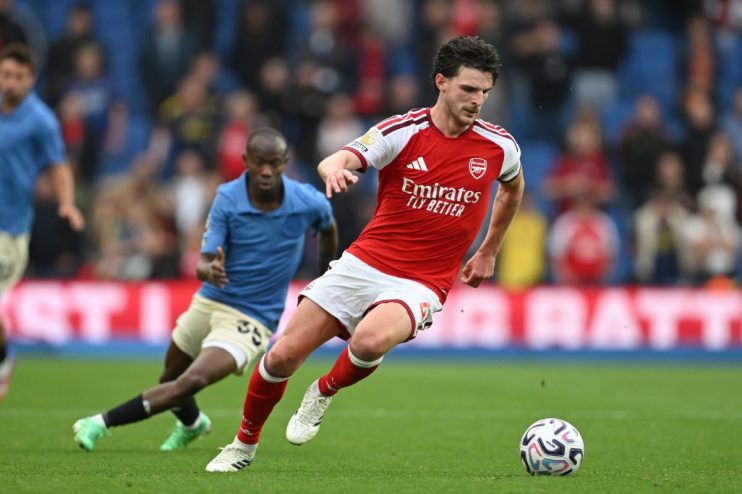
Arsenal’s improved deal with UAE flag bearer Emirates and Chelsea’s new Circle agreement – upgrading a half-year deal with industrial AI firm IFS – have contributed to an uplift of around £45m for the Big Six clubs.
The research suggests that gambling sponsorship across all assets has fallen by £92m in the Premier League this season compared to the 2025-26 campaign, with betting deals declining by over 20 per cent.
The shift away from betting across the Premier League came after the government increased gaming duty from 21 per cent to 40 per cent.
Next April a new remote betting duty of 25 per cent will be implemented despite a carve-out for horse racing, which will sit at 15 per cent.