Would a £10bn VAT cut really save hospitality?

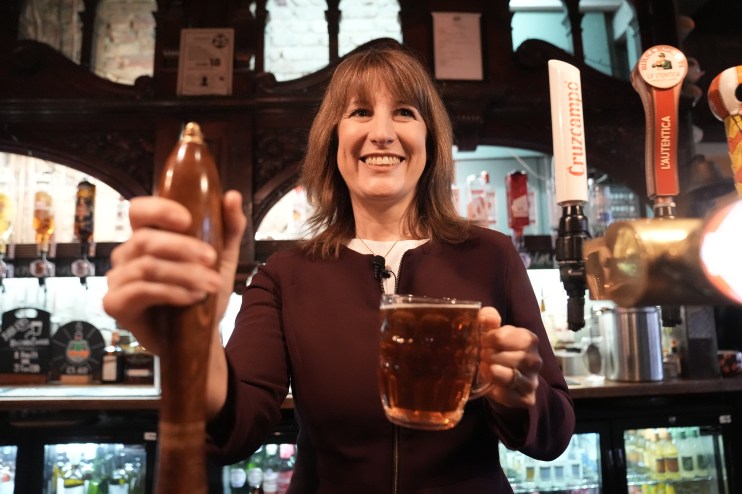
Calls for the government to slash VAT on hospitality firms have been backed by pub and restaurant bosses, and Prime Minister hopeful Andy Burnham. What would this tax break really mean for the economy?
The UK’s pubs, hotels and restaurants say they are at breaking point. Higher business rates, hikes to national insurance and minimum wage and rising energy bills mean that the country’s hospitality industry is being “catastrophically overtaxed”.
While pubs successfully campaigned for a £300m business rates concession following last year’s Budget, hotels and restaurants were left out from this emergency support.
The hospitality industry has now rallied around a cause which it says will give pubs, hotels and restaurants the breathing room it needs, and save thousands from going under.
Celeb chef Kerridge leads campaign
A new campaign, spearheaded by celebrity chef Tom Kerridge and trade body UK Hospitality (UKH), is urging the government to slash value-added tax (VAT) on hospitality firms from 20 to 10 per cent.
Kerridge’s lobby group, VAT’s The Problem, claims that a cut to the tax would mean fewer hospitality firms and jobs are lost, delivering “more vibrant high streets, more jobs for local people and more choice for the consumer”.
The campaign says the UK’s high rate of VAT on hospitality makes it an outlier in Europe. Only Denmark charges a higher rate to pubs, hotels and restaurants, while France, Italy and Spain levy a 10 per cent rate.
The group’s petition has amassed more than 220,000 signatures, and an early-day motion in support of the policy has been signed by more than 50 cross-party MPs.
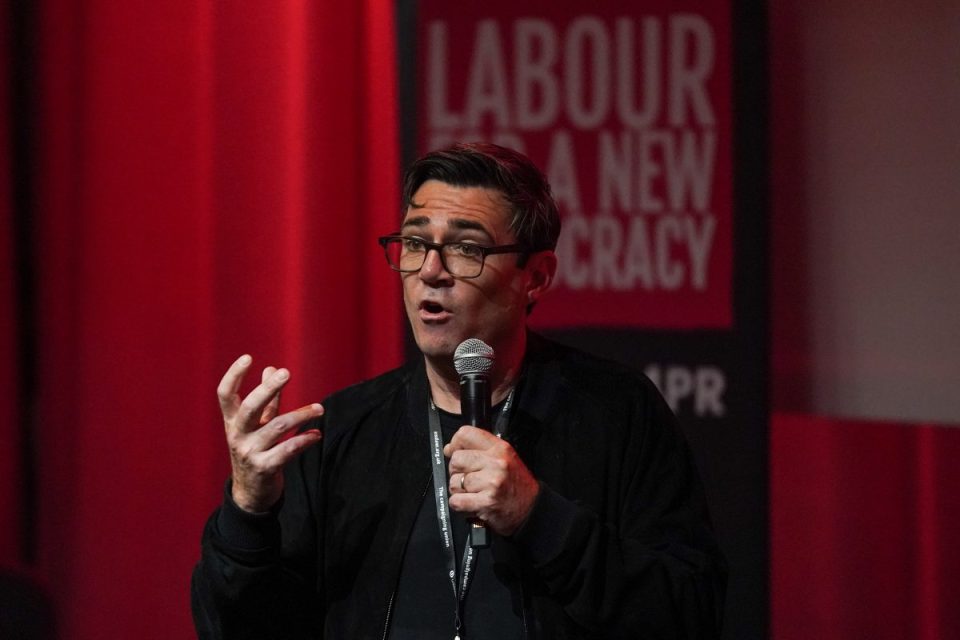
Some hospitality bosses have rallied behind Andy Burnham’s bid to become Prime Minister because the new MP for Makerfield has called for cuts to VAT on hospitality firms and pledged to lower business rates for pubs.
But some tax experts have criticised the tax cut, which they say would cost £12.5bn and fail to benefit the smallest hospitality operators, while offering huge tax breaks to the biggest businesses.
Tax Policy Associates (TPA), an independent think tank, claims that the policy would cost the taxpayer £12bn.
The Treasury costed the VAT cut at £10.5bn in February, adding that “tax breaks reduce the revenue available for vital public services and must represent real value for money for the taxpayer”.
But TPA argues that the tax cut is likely to cost £12bn, because of the so-called Jaffa Cake effect.
As the orange-flavoured treats are classed as cakes rather than biscuits, they are charged zero per cent VAT. The think tank argues that a cut to VAT would encourage “hospitality-adjacent” firms to fiddle with their operations in a similar manner, in order to benefit from the tax break.
Hospitality ‘pays more than its share’
Supermarkets and petrol forecourts would add seating and meal deals, while cinemas and sports venues would bundle in tickets with food and drink, TPA argues. This activity, while “rational,” would likely push up the cost of the VAT cut to £12bn – or as much as £14bn, the think tank claims.
Dan Neidle, TPA’s founder, told City AM that UKH should have provided a full costing for the tax cut, and suggested where the government can make savings to pay for it.
“There are other things which could be good for growth and would be a lot less expensive than £12bn,” such as a reversal of Labour’s hikes to employee national insurance contributions (NICs) or reform of business rates, he said.
Retail and hospitality bosses have rounded on the government for their hikes to employment costs and business rates, which they say are pushing firms into insolvency and threatening these industries’ roles at gateways into employment for young people.
Allen Simpson, UKH’s chief executive, told City AM: “Dan rightly points to the cost shock of the last budgets, but that came on top of a tax system that already saw the sector pay far more than its share.”
Industry leaders say they do not feel it is their place to tell the Treasury how to fund this proposal. Simpson said the industry landed on a VAT cut because it had been told that reforms to other issues like NICs and business rates “are too technically difficult to do, let alone all at once”.
McDonald’s to gain £432m
Hospitality figures have also clashed with Neidle over the benefits of the VAT cut, which he claims would give huge tax breaks to large corporations but fail to boost smaller businesses, whose turnover is below the £90,000 threshold for paying the tax.
Fast food giant McDonald’s would take £432m from the VAT cut, Neidle claims, while pub owner Mitchells & Butlers and Premier Inn owner Whitbread are set to gain £246m and £238m respectively.
But Leon Burton, who owns a string of pubs in the North West and the Midlands, claimed that fast food firms should be excluded from the tax break, saying: “No hospitality operator is calling for that, we’re asking for support from our locals – not a Big Mac delivered in an Uber.”
Hospitality leaders are divided over whether they would use the VAT cut to invest in their business, or opt to pass it onto consumers.
Critics of the policy “argue it won’t go to the consumer, but that’s not the point. It’s meant to support hospitality, high streets and jobs for our young people,” Burton said.
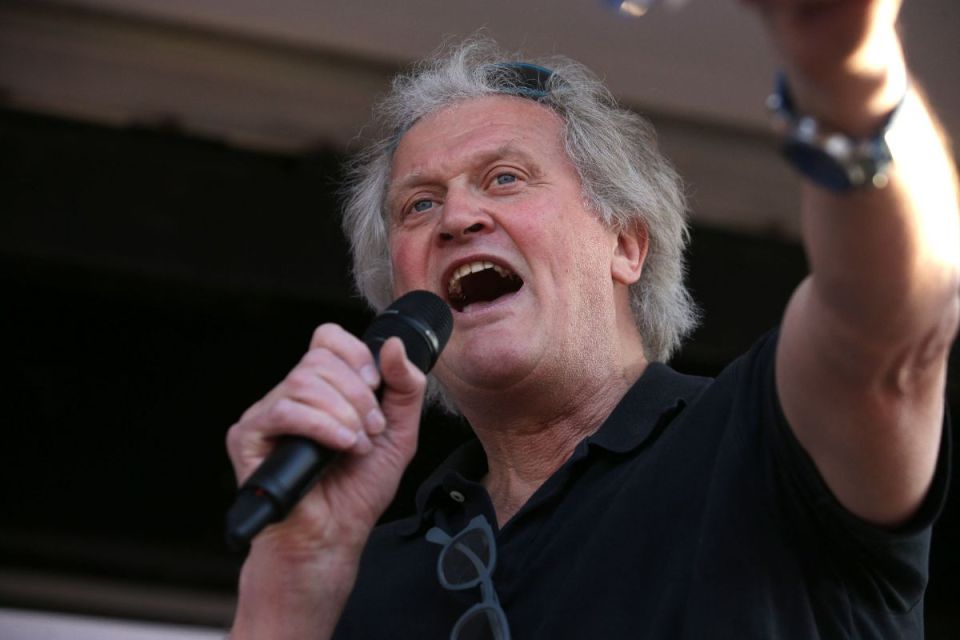
But Tim Martin, chairman of pub giant JD Wetherspoon, told City AM that “prices would inevitably fall”.
Neidle’s estimate that Wetherspoon would gain £194m from the tax cut is “disingenuous” because much of this would be passed onto consumers, and to the government through more tax returns as it spends more on wages, Martin claimed.
The pub tycoon has spent years urging the government to equalise a tax system which he claims unfairly benefits supermarkets, to the detriment of pubs.
Pubs have lost half of their trade to supermarkets in the last 25 years, he claims, adding that a cut to VAT would transfer food sales back away from grocers, who are not charged the tax.
Pub boss Burton agrees. “Supermarkets have consistently come for hospitality. They sell a £10 premium gastro lasagne to heat at home and pay £0 VAT. In my pub, I’d pay £1.60 VAT for effectively doing the same.”