Zack Polanski’s economic agenda is dangerous…and popular

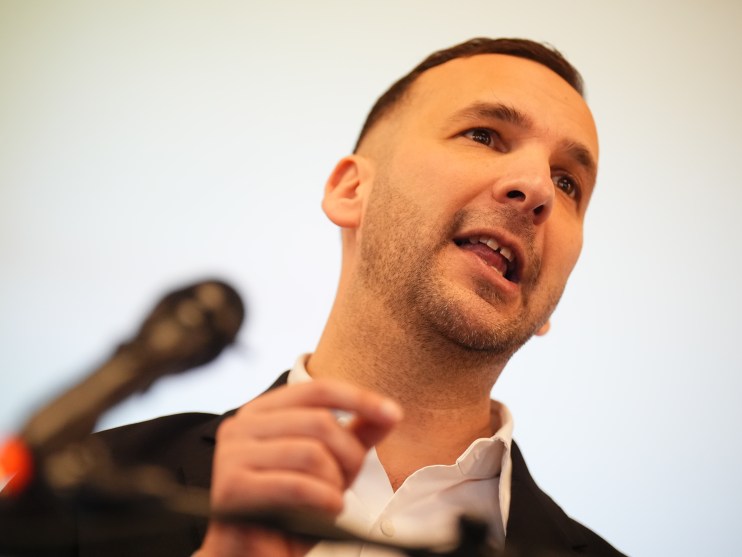
There was a time when the Green Party was all about recycling, rewilding and veganism, but these days the economy forms the centrepiece of their pitch to voters. Yesterday their leader, Zack Polanksi, set out his party’s economic vision and he started with a diagnosis.
He said people feel like they’re “running every day just to stay in the exact same place” – and he’s right. He said that for too many people the ability to pay for a holiday or put some money aside has evaporated, and he’s right about that, too. In fact, the longer I listened to him the more I could see the appeal of his rehashed Corbynomics.
Not to me, obviously; I wouldn’t vote for his party in a million years and I think his policies would bankrupt and impoverish the country. But if I was a lefty, frustrated by the reality of a Labour government, I’d be donning an I Back Zack t-shirt.
Given the fractured nature of our politics, the Greens need to be taken seriously. Pollsters YouGov have them at 19 per cent, ahead of Labour and the Tories (both on 17 per cent) and only behind Reform’s 25 per cent. Polls are pretty wild and politics is volatile, but it’s not hard to imagine a scenario where a few dozen Green MPs form the hard-left flank of a rainbow coalition after the next election. And what would they demand as the price of their participation?
Wealth tax a ‘day one priority’
Polanski’s simplistic economic analysis makes for a simple wish list, including taxing the oil and gas companies out of existence; nationalising utilities; slapping wealth taxes on the rich; introducing rent controls; and spending money like a drunken sailor. He described his plans for a wealth tax as “a day one priority” for a Green government, arguing that the move “would send a very clear message.” It sure would.
He also wants to extend national insurance to investment income and equalise the rates of tax on income and capital gains. Oh, and he wants to replace the OBR with a “a panel of experts” who could advise him on whether he was spending too much money or, and these were his words, “spending too little.”
Despite conceding that he didn’t believe his policies would solve every problem, he spoke with a precocious confidence in the undoubted benefits of taxing, spending, nationalising and regulating.
He ended by saying that his party could no longer be dismissed as a fringe movement and, while it pains me to say it, he’s right about that, too.