Wizz Air pounced on by short sellers as Iran war knocks profits

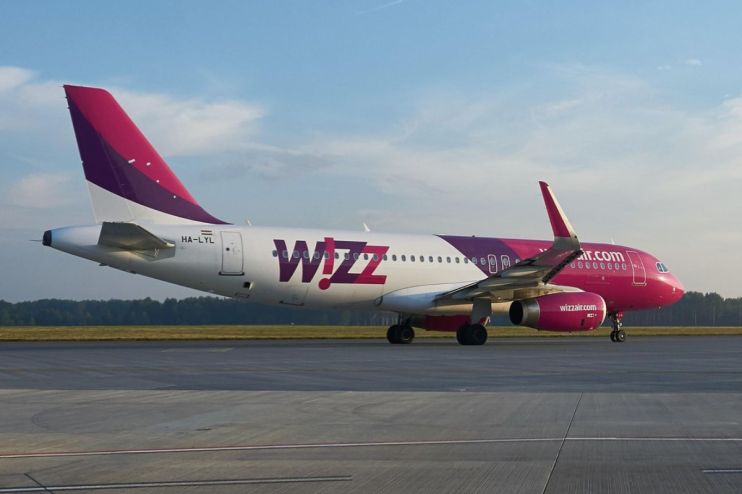
Budget airline Wizz Air has been hit by a flurry of short-selling after it issued a profit warning over disruption caused by the Iran war, making it the UK’s most shorted company.
The Hungarian airline, which is listed on the FTSE 250, had 9.59 per cent short interest last month but this has soared to 14.61 per cent in March, as funds seized on the soaring fuel prices and flight cancellations caused by the conflict in the Middle East.
Wizz Air said last week it expects to take a €50m hit from the disruption caused by the war, leaving it likely to make a loss this year given previous guidance of between a €25m loss and a €25m profit.
The recent short interest – driven by funds like Citadel, JP Morgan and Voleon Capital – pushed the airline above popular shorts like bakery chain Greggs and publishing firm Future.
Wizz Air told investors on Thursday: “In terms of the expected impact, approximately one third is a result of the cessation of certain scheduled services to the Middle East, with the remainder from the adverse movement in macroeconomic factors as a result of the Iran conflict.”
The initial outbreak of conflict in the Middle East caused thousands of flight cancellations, though some airlines have begun gradually rebuilding their operations in the region.
Wizz Air has suspended all of its flights to and from Israel until 29 March and all routes to and from Dubai, Abu Dhabi, Amman and Jeddah until September.
“This temporary suspension allows the airline to reallocate capacity to several of its most popular European summer destinations, providing customers with an even greater selection of routes during the peak travel season.
“With more capacity, more choices, and more summer destinations, Wizz Air is committed to offering enhanced flexibility and exciting travel opportunities across its European network,” the airline said.
Dan Coatsworth, head of markets at AJ Bell, told City AM: “Wizz Air was already a heavily shorted stock before the Middle East crisis, but the sharp rise in oil prices has encouraged more investors to bet against the airline.
“A rapid increase in the cost of energy and disruption to some of its travel routes is terrible news for near-term earnings. It puts Wizz Air in the eye of the storm and sentiment towards the company has gone from bad to worse.”
Middle East expansion left Wizz vulnerable
Coatsworth said Wizz Air’s aggressive expansion in the Middle East and its failure to complete its rumoured takeover of EasyJet left the airline vulnerable to market shocks.
While the airline is one of the biggest operators in the Middle East it had begun to draw back some of its operations in the region before the conflict, having announced plans to shut its Abu Dhabi operations in July, citing “geopolitical instability”.
Gerald Khoo, analyst at Panmure Liberum, told City AM: “Wizz Air has come into this crisis with low profit margins and a weak balance sheet.
“This has left its earnings more vulnerable than those of the financially stronger and more profitable airline groups.”
Wizz Air’s share price stands at 944.5p, down more than 30 per cent over the last month and more than forty per cent over the last year.
Wizz Air was contacted for comment.