‘We’d love an apprentice – but the government has made it too expensive’

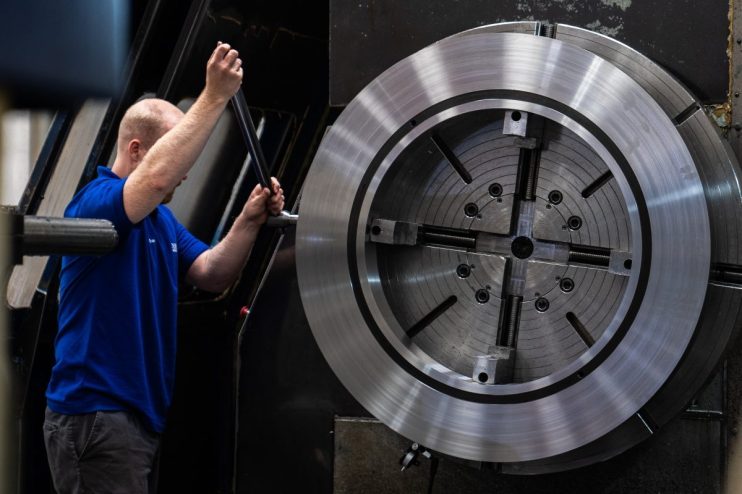
Small companies around Britain are facing a cost of business crisis. Bowers & Jones, an award-winning manufacturing firm, tells City AM that changes to the minimum wage have priced it out of employing apprentices.
When Jane Somerville led a management buyout of her manufacturing firm and shifted its entire factory across the West Midlands in the middle of the pandemic, she hoped it might be the end of a period of upheaval for the company.
Bowers & Jones, an award-winning maker of precision equipment for the steel industry, had been bruised by Brexit and forced to navigate a maze of regulation and tax laws to access its largest market across the channel. The cost of importing raw materials had surged and the company was facing a cost-base “hundreds of thousands of pounds” higher than just a few years before.
But six years on, Somerville’s costs have continued to explode faster than she could have imagined. While some of that has been down to the trade barriers erected by the US and the machinations of global politics, the decisions of the government in Britain have played a major part, she says.
“The variable cost of operating our factory has gone up from £36 an hour to nearly £56 an hour since we took the business over in 2020,” she tells City AM.
“And that’s energy costs doubled, that’s labour costs up because of minimum wages and inflation. The cost of transport significantly increased because of the fuel crisis and everything else around Iran at the minute.
“Everything has gone up,” she says.
Cost of business crisis threatens apprentice drive
Bowers & Jones is one of millions of small firms that have seen their costs skyrocket in recent years in what has been dubbed by the British Chambers of Commerce a “cost of business” crisis.
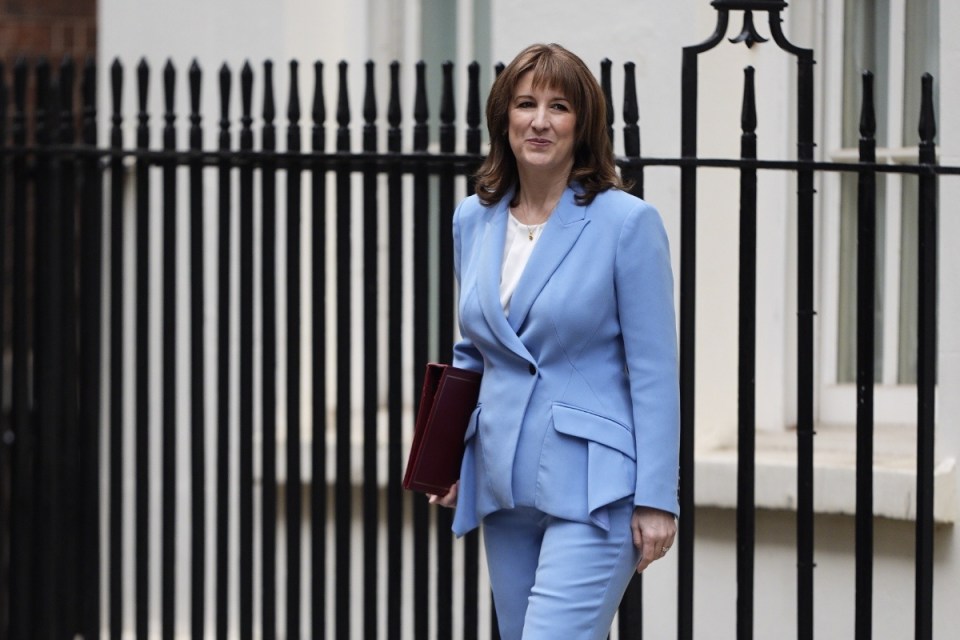
According to a new calculator launched by the lobby group, which calculates the cost to business of domestic policy decisions alone, the average small firm has seen its cost base rise by around 70 per cent in the past decade due to the decisions of the UK government – a quarter of which has come since Rachel Reeves’ first Budget in 2024.
Despite pledging to be the most “pro-business government Britain has ever seen”, the former Chancellor hammered the private sector with a £25bn rise in national insurance contributions for employers. Hikes to the minimum wage and a slew of workers’ rights laws also pushed up the cost of employing new workers.
While Somerville would like to take on an apprentice and train them up on Bowers & Jones’s complex machinery, she says the cost is now prohibitively high.
“[The rise in minimum wage] is a barrier for us to take someone on. That investment over the four years or five years of their apprenticeship, before they can actually be productive to me, is close to, if not over £100,000,” she says. “I’m just better off paying somebody that’s fully qualified.”
‘How can they fund training for engineering companies?’
Somerville’s complaints underscore how the policy decisions made by Keir Starmer and Reeves dating back to 2024 are now undermining the current government’s drive to get more young people into work.
Andy Burnham has made curbing the rise of young people not in employment, education or training (Neets) a key pillar of his premiership. Since taking power, he has pledged to open up new technical education routes to 14-year-olds and put apprenticeships on an equal footing with traditional academic pathways.
In order for that to succeed, Somerville says, ministers need to help shoulder more of the cost to get young people into the workplace and onto apprenticeships.
“How can [Burnham and Healey] fund training for engineering companies to take somebody out of school, to stop them becoming a Neet, and get them into a technical apprenticeship that doesn’t cost £100,000,” she said.
“That would help me take on at least one or two apprentices – and then I could train them to be ready.”