Lidl doubles down on loyalty pricing despite Aldi attacks

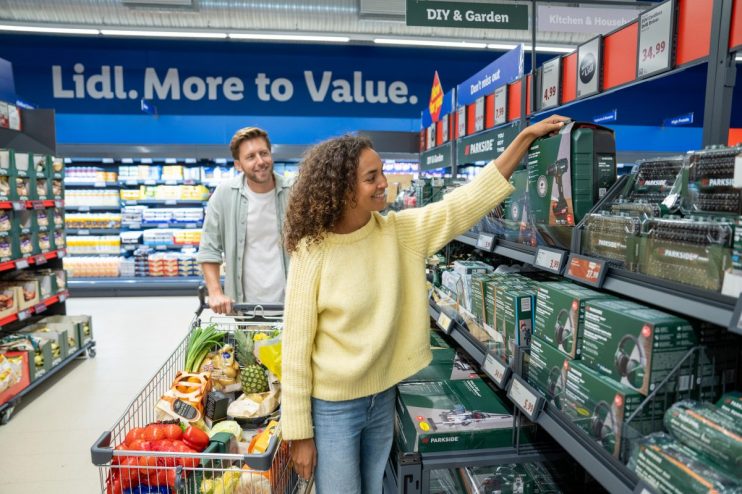
Lidl grew its profit and revenue last year after pulling in an additional 43m shopping trips, as the discount grocer doubled down on its loyalty price scheme.
The German firm and rival Aldi have swept to dominance of the budget grocer market in recent decades, but Aldi has hit out at its competitors for allegedly misleading shoppers with loyalty scheme discounts.
But Lidl said on Monday it has set out a “significant increase in investment” in its Lidl Plus scheme, resulting in a 23 per cent increase in users in the year to February. The scheme is driving higher footfall to its supermarkets, Lidl said.
Aldi chief executive Giles Hurley has claimed that bigger supermarkets try to entice shoppers with loyalty discounts that “isn’t supportive, isn’t transparent, and doesn’t help customers plan and budget”.
Responding to Hurley’s comments, Lidl chief executive Ryan McDonnell told reporters: “Listening to our customers and investing to improve the retail experience is what we’re about. Lidl Plus is something that’s resonating fantastically well with customers, and we see that in switching data as well.”
Lidl, the UK’s fifth-largest supermarket chain, grew its revenue by 10.8 per cent to £13bn in the year to February. The group’s operating profit jumped by 10 per cent to £345m. Its statutory pre-tax profit increased by a third to £206m, owing to lower interest costs.
Lidl said it saw 43m more visits year on year, attributing more than £650m in sales to shoppers switching from its competitors.
The grocer said this higher footfall helped it sell 486m more products in this year than the one before, adding that it saw “significant growth” across meat, poultry, fruit and vegetables.
Lidl invested £315m in price-cuts and promotions, it said. British supermarkets have ramped up attempts to slash prices in recent months, as they compete for shoppers who feel increasingly cash-strapped as a result of the Iran war.
Lidl and Aldi step up expansion
Lidl operates more than 1,000 stores in the UK and opened 40 new sites in the year to February. Alongside new locations, the group invested £43m in upgrading 70 existing shops.
The company’s store upgrades are focussing on more self-checkouts, energy-efficient lighting and freezer upgrades. Some supermarkets saw their freezers struggle with record heat over the summer.
In April, Lidl announced that it will open more than 50 new supermarkets in the year to February 2027, as part of a £600m investment in widening its reach.
The UK’s competition watchdog, the Competition and Markets Authority (CMA), has provisionally decided that Lidl and Aldi will have to comply with the same land rules as their competitors.
The German discounters had been exempted from rules preventing grocers from restricting rivals from opening stores nearby, but this loophole is set to end.
But the two grocery chains have said the new rules will not slow their expansion plans. Last week, Aldi announced a £900m investment in opening 40 new stores next year.
Lidl’s McDonnell said on Monday: “As a discounter, we embrace fair market competition and this outcome will now slow our momentum as we continue expanding the store network.”
Lidl is owned by the Schwarz Group, which is weighing up a deal to take over dozens of Tesco stores in eastern Europe.
Tesco, the UK’s biggest supermarket, is planning to offload its entire European division outside of the UK and Ireland, which includes hundreds of locations in Hungary, the Czech Republic and Slovakia.