UK government borrowing overshoots in Budget blow

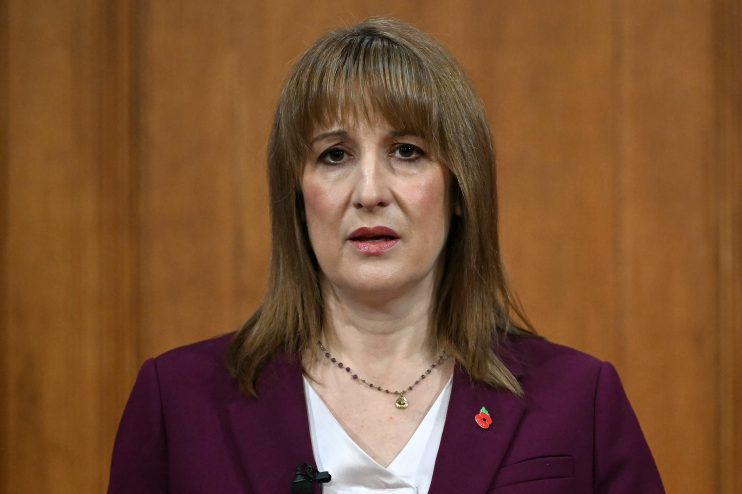
UK government borrowing exceeded expectations in October, with benefits and public sector wages intensifying pressures on the public purse ahead of Rachel Reeves’ Budget next Wednesday.
The Office for National Statistics showed that public sector net borrowing had reached £17.4bn in the last set of public finances data that government officials will see before Wednesday’s crucial political event.
City economists expected government borrowing to come in at £15.2bn over the month.
Total borrowing in the current financial year has now also exceeded £100bn as it hit £116.8bn. This was nearly £10bn higher than the figure forecast by the Office for Budget Responsibility (OBR).
Martin Beck, a former Treasury economist who is now at WPI Strategy, said: “The OBR may conclude that part of this overshoot [in government borrowing] reflects structural rather than cyclical weakness.
The fiscal watchdog will not take the latest set of numbers into account in its fiscal forecast to be published next week.
It is presenting its last forecast measures to Reeves today, with the Chancellor now set to get an official reading of the size of her headroom and the impact new Budget policies will have on growth.
But the latest set of figures on taxation, expenditure and borrowing will send a warning to Treasury officials putting their final touches on the upcoming Budget, which is expected to unveil fresh tax rises to fill a £20bn fiscal hole.
The government’s borrowing costs were £8.4bn for the month. Reeves has publicly said she will use the Budget to lower borrowing costs by curbing the cost of living.
The OBR said in March that debt interest payments could exceed £110bn this year, more than twice the defence budget and near the level spent on education.
Reeves believes she can reap the benefits of lowering borrowing costs, which could include seeing public expenditure funds get freed up.
James Murray, the chief secretary to the Treasury, said: “Currently we spend £1 in every £10 of taxpayer money on the interest of our national debt. That money should be going to our schools, hospitals, police and armed forces.
“That is why we are set to deliver the largest primary deficit reduction in both the G7 and G20 over the next five years – to get borrowing costs down.”
“At the Budget next week, the Chancellor will set out how we will take the fair choices to deliver on the public’s priorities to cut NHS waiting lists, cut debt and cut the cost of living.”
Government borrowing storm
Treasury officials will also be taking a close look at receipts from individual taxes amid rumours that the Budget will contain a collection of small revenue-raisers, rather than a broad-based approach that risks breaking Labour Party manifesto commitments.
Markets have been on edge over the last week after it was reported that Reeves had ditched plans to raise income tax, which City investors believe is a reliable way to fill a fiscal hole.
Briefings to media outlets suggested that the tax rise had been abandoned due to improved OBR forecasts, though those claims are facing intense scrutiny from independent economists and Shadow Chancellor Mel Stride, who wrote to the OBR on Thursday to seek clarification on changes to the fiscal hole.
A £20bn fiscal hole has been largely created by OBR revisions to productivity trend forecasts, which is expected to be downgraded by 0.3 percentage points, welfare savings U-turns and higher government borrowing costs.