The Greens are no tree-hugging hippies, their policies would destroy Britain

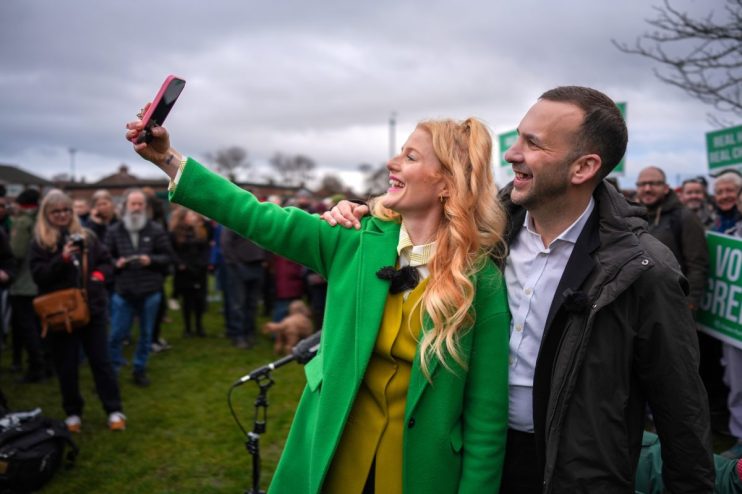
Zack Polanski’s Greens stand a realistic chance of winning dozens of seats, so it’s worth taking their policy platform seriously. From wealth taxes to yet more punitive building regulations to open borders, they would be a disaster for British prosperity, says Emma Revell
For years now the Green Party has been a bit of a joke. Backing them at the ballot box has been the preserve of the middle-class virtue-signaller or the rebellious student. Of people trying to feel good about themselves and – more importantly – feel better than everyone else.
After all, what does it matter if those hippies down in Brighton keep voting Green? Let them have their seven different recycling bins and vegan school lunches. The rest of us can keep plodding along in our safe, predictable two-party system and leave them to bask in their reflected virtue.
After all, what does it matter if those hippies down in Brighton keep voting Green? Let them have their seven different recycling bins and vegan school lunches
But no longer.
A Yougov poll last week put the Greens on 21 per cent across all age brackets, having leapfrogged Labour and sitting only two points behind Reform UK. Their support is broad too. The same poll puts the Greens as the most popular party in all age categories under 50. Almost half of 18- to 24-year-olds would back the Greens, as would over a quarter of 25- to 49-year-olds. People who want their votes to matter no longer see backing Zack Polanski’s party as a wasted vote, but a serious option.
In short, voting Green now means something. But what it means isn’t pretty.
One of the reasons Hannah Spencer, Parliament’s newest MP, was successful was because she seemed to be fairly normal. Much was made of the fact she left school at 16 and has worked as a plumber and plasterer. She was a candidate made to target a broader voter pool – an MP for a working-class, small business-minded audience rather than Bristol-based yoga mums.
But the main voter pool won over by the modern Green Party has less to do with the middle classes and more to do with the Middle East. The Prime Minister might have been right to criticise what he sees as “divisive, sectarian politics” but the effectiveness with which the Greens courted Muslim voters, partly via their rhetoric over the conflict in Gaza and partly via targeted grassroots campaigning, means Labour can no longer rely on a significant chunk of its traditional voters.
Green candidates stand a real chance of winning in dozens of seats up and down the country and could easily hold the balance of power in future parliaments. Unfortunately for the country, they are advocating for policies that could alarm the British public, cripple our already flatlining economy, or both.
When it comes to housing, for example, there is no need to rehash the dire state of housebuilding in recent years, nor the impact that a 6.5m home deficit is having on the lives and finances of Brits across the country. It’s almost laughable, though, how quickly what the Green Party proposes would throw more fuel onto the fire.
Rent controls have failed in every country and every city in which they have been implemented. But they’re there in the Green platform. So is a requirement to spread small developments across a local authority rather than to allow the densification we know cities need. Ending right to buy, which will take home ownership away from those on lower incomes. And even more stringent environmental standards which will make it even more expensive and time-consuming to build homes.
Economic illiteracy
Such economic illiteracy permeates all areas of their 2024 manifesto. Apparently nationalising the water industry will help end the cost of living crisis, despite the fact that requiring the taxpayer to fund the necessary billions of pounds in much-needed infrastructure improvements would have the opposite effect. (Although a presumably unintentional typo in their manifesto website claims the changes would raise between ‘£50 and £70bn’ over the next Parliament.)
Then again if you account for the likely response of Britain’s wealth-creators, investors and innovators to an annual wealth tax of one per cent on assets over £10m and two per cent on assets over £1bn, perhaps £50 is a more reasonable sum.
A future Green government would also legalise heroin but ban smoking, open the borders, send the welfare bill into outer space with an immediate five per cent uplift and by ‘reforming’ intrusive PIP eligibility tests, introduce a maximum 10:1 pay ratio for both public and private sector, and over a parliament spend £50bn retro-fitting homes to run without fossil fuels, money which they’re presumably hoping to get from all those millionaires and billionaires who absolutely definitely won’t have hopped on a private jet.
The Greens have benefited from some of the best branding in politics. But we need to stop thinking of them as tie-dyed, tree-hugging, quirky but ultimately inoffensive friends of the earth. Because their policies would do more than anything I can think of to make almost all of Britain’s problems so very much worse.
Emma Revell is external affairs director at the Centre for Policy Studies