The Festival of Words: From Gyles Brandreth to Anthony Scaramucci – all you need to know about the Fleet Street Quarter festival


The Fleet Street Quarter Festival of Words covers everything from politics to culture, literature, storytelling, broadcasting and public life. It features a fascinating line-up of speakers and panel guests, from political heavyweights to stars of stage and screen. We’re pretty sure it will be a front-running for the Best Arts or Culture Experience category of our Toast the City Awards. We caught up with Lady Lucy French, CEO Fleet Street Quarter, and Damian Collins OBE, Festival Director, to see what’s on their agenda.
What makes the Festival of Words distinct?
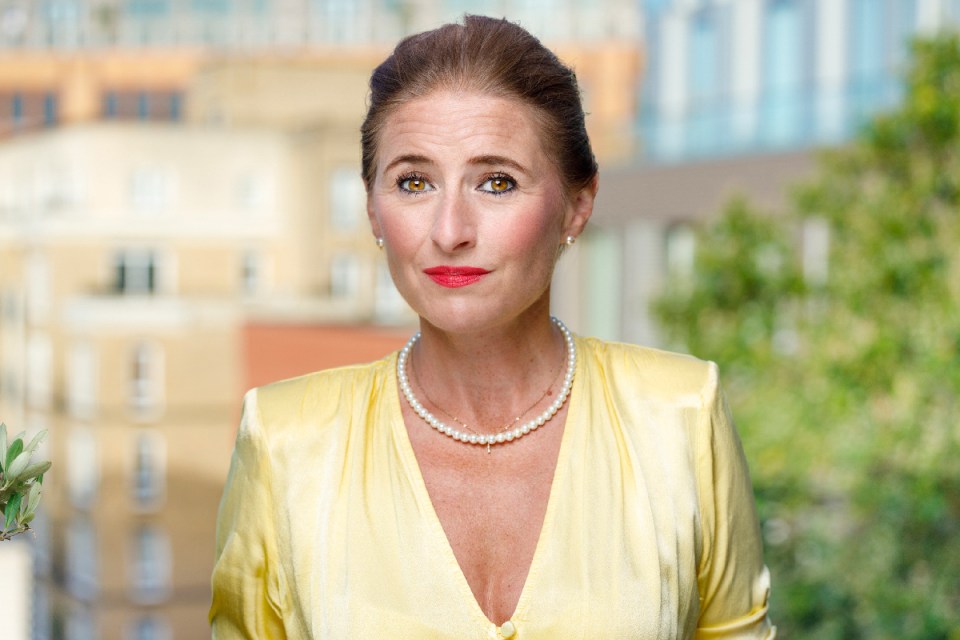
Lady Lucy French, CEO Fleet Street Quarter: Fleet Street Quarter’s Festival of Words happens in the place where stories have always been born! It has been home to Dr Johnson, Samuel Pepys, Oscar Wilde and, of course, the heart of British journalism and publishing. The festival takes place across the streets and buildings where stories, debate and public discourse have shaped the national conversation for centuries, giving the programme a unique sense of place and heritage.
We are deliberately broad in our programming at The FSQ Festival of Words, looking beyond literature alone to celebrate the word in all its forms, including journalism, politics, culture, storytelling, broadcasting and public life, highlighting how words influence and define our world. Shaped by this year’s theme, The Age of Wisdom and Foolishness, the events are designed to encourage conversations that feel both contemporary and connected to the storied history of Fleet Street.
What do you want people to feel when they leave a Festival of Words event?
Lady Lucy French: Inspired, energised and perhaps having heard a perspective they hadn’t considered before. At its heart, the festival is about the power of ideas, conversations and bringing people together, creating a stronger sense of community within the area, almost creating a village atmosphere in the middle of the City. With this year being the National Year of Reading we also hope to inspire people to read more, write more or engage more deeply with the world around them. Whether that’s through a political debate, a family event or a creative writing workshop, we hope the broad programming has something for audiences of all ages.
Why that Dickens quote?
Damian Collins OBE, Festival Director: Dickens captured something timeless in the opening line of A Tale of Two Cities – the idea that periods of enormous change are often defined by contradiction. Moments of progress and innovation can exist alongside uncertainty, division and anxiety, which is something that feels particularly relevant now.
We’re living through a moment where technology, politics and media are evolving incredibly quickly, which is challenging how people think about themselves, their communities and the world in which we live. People are constantly trying to work out what and who to trust. The idea of “The Age of Wisdom and Foolishness” gave us a framework to explore those tensions.
What does “foolishness” look like in 2026?
Damian Collins OBE: Charlatans professing that they feel your pain. Avatar politicians simply trying to reflect people’s anger back at them, but with no idea what to do about it. I think foolishness today often comes in the form of certainty. The assumption that complex problems can be solved through simplistic answers or that loudness is the same as authority.
In many ways we are living in an era shaped by misinformation, polarisation and algorithm-driven debate, where people are rewarded for reaction rather than reflection. The festival doesn’t try to lecture people about that, but it does create space to explore those ideas thoughtfully.
We’ve never had more access to information, but this has brought confusion rather than clarity. I think wisdom now lies less in having all the answers and more in being willing to listen, debate and remain open to complexity. That’s something the festival tries to encourage.
What does ‘Fleet Street’ mean in a digital world?
Lady Lucy French: Fleet Street still stands for journalism, public debate, scrutiny and storytelling. It is a place where stories have been born for centuries. Even though the industry itself has changed dramatically, those values remain hugely important.
What’s exciting is that the area is now entering a new chapter, evolving into a modern hub for media, creativity, business and culture, while still carrying that historic identity.

How do you curate a Festival of Words programme that spans politics, fiction and culture?
Damian Collins OBE: The connecting thread is really ideas and storytelling. Whether somebody is writing a novel, reporting from a conflict zone or discussing politics, they are ultimately trying to help people understand the world around them.
We wanted the programme to reflect the breadth of conversations happening in society right now. That’s why you see everything from current affairs and journalism to memoir, family events and creative writing workshops sitting alongside each other.
What role will disagreement and debate play at the Festival of Words?
Damian Collins OBE: A very important one. Healthy disagreement is essential to any functioning democracy or cultural conversation. The problem today is that disagreement can often become performative or hostile rather than constructive.
The festival aims to create space for thoughtful debate, where people can engage with opposing perspectives seriously and respectfully.
What are you doing to bring in younger audiences?
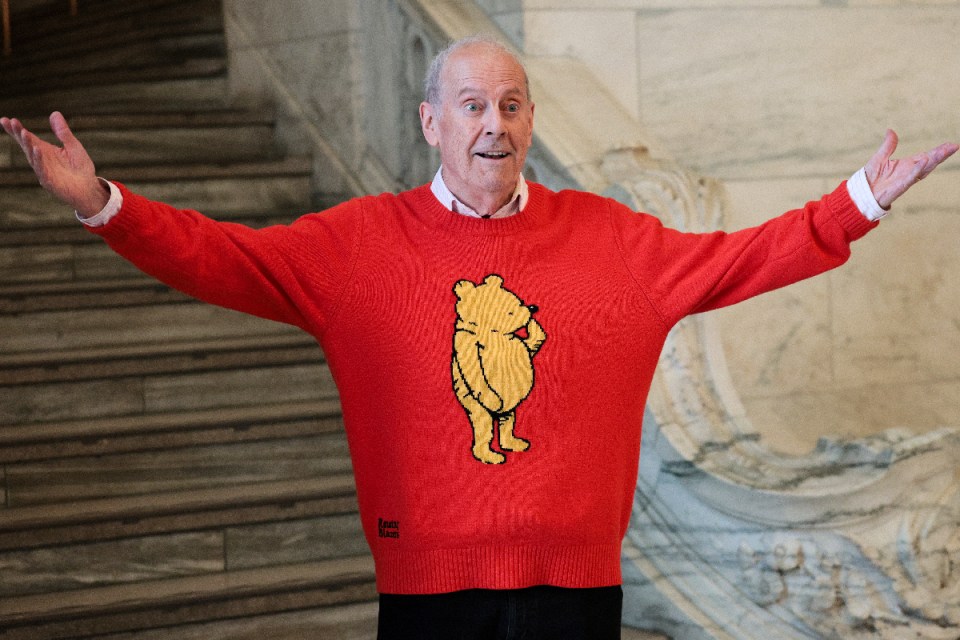
Lady Lucy French: The family programming has been a huge part of that. This year’s programme includes Rob Biddulph hosting a live Draw With Rob session, Beano illustrator Hugh Raine leading interactive comic workshops, Guinness World Records bringing record-breaking challenges to the festival, and Gyles Brandreth discussing the ongoing appeal of Winnie The Pooh.
What challenges did you face?
Lady Lucy French: The challenge is perhaps changing the perception of the area. The City is often viewed through the lens of finance and business, but we want to highlight and celebrate Fleet Street’s deep cultural, literary and journalistic history. Through the festival we want to position the area as a place of culture, creativity and conversation with a strong future both culturally and economically. We want our local business communities to feel this is something for them, creating opportunities for people working in the area to step outside the office and engage with culture and conversation in a different way.
There’s also no question the cultural sector is operating in a challenging environment, whether that’s financially or in terms of audience competition. But I also think there’s a real appetite for meaningful, in-person experiences right now.
People want opportunities to connect, discuss ideas and experience culture collectively again, whilst also having a reason to step away from their desks and engage with the area differently.
If you could change one thing about the UK’s cultural or media landscape, what would it be?
Damian Collins OBE, Festival Director: To give more attention to things that actually matter. That means allowing more space for nuance and curiosity. Too often public discourse rewards speed, outrage and certainty over thoughtfulness and complexity.
One of the things literature, journalism and live discussion can do brilliantly is slow people down and encourage deeper engagement with ideas. That’s something we’re very consciously trying to champion through the festival.
The Festival of Words line-up at a glance
TUESDAY 12TH MAY
- Writing a Memoir: Arvon Creative Writing Workshop – Amy Key
- The State of It: Live Podcast Recording with The Times – Caroline Wheeler, Patrick Maguire, Gabriel Pogrund & Steven Swinford
- Purpose or Performance? Business as a Force of Nature – Erika Clegg & Simeon Rose
- Damian Collins: David Lloyd George – Does it Take a Dynamic Force to Succeed in a Challenging World? – Damian Collins
- Alexander Hoare: Impact Banker – Alexander Hoare & Dharshini David
- Lottie Moggach: A Victorian Murder Reimagined – Lottie Moggach & Clare Clark
- The Day the Queen Died: How a Story Unfolds – Jeremy Griffin, Michelle Donelan & Antony Garvey
- James Graham: In Conversation – James Graham
WEDNESDAY 13TH MAY
- Breakfast With The Guardian – Jenny Stevens, Ben Quinn & Aamna Mohdin
- How to Start Your Novel: Arvon Creative Writing Workshop – Abi Daré
- Rebecca Lee & Laura Hackett: Rogues, Widows and Orphans – Rebecca Lee & Laura Hackett
- Dragon Cafe in the City: Words, Words, Words – Reza Ben Gajra
- Fergal Keane & Antony Garvey: Reporting from the Front Line – Fergal Keane & Antony Garvey
- Dragon Cafe in the City: Creative Writing with Wordsmiths – Naomi (Wordsmiths)
- Empowering Women – Poorna Bell, Sophie Jane Lee, Maryam Pasha & Terry Stiastny
- God is an Englishman – Bijan Omrani & The Ven Luke Miller
- Tom Bradby: Behind the Scenes – Tom Bradby
- Sajid Javid: The Colour of Home – Sajid Javid
THURSDAY 14TH MAY
- Breakfast With The Times – Jeremy Griffin, Andy Silvester & Rebecca Myers
- Fiction – Work in Progress: Arvon Creative Writing Workshop – Sophie Mackintosh
- Tina Hodgkinson: Agatha Christie’s London – Tina Hodgkinson & Laura Hackett
- Iain Dale & Steve Richards: Thatcher & Blair – Iain Dale & Steve Richards
- Walking Tour With Tom Levitt: The Business of History – Tom Levitt
- Shakespeare in London – Lucy Munro & Dr Hannah Crawforth
- Political Journalism in an Unstable World – Caroline Wheeler, Jason Groves, Jack Elsom, Jessica Elgot & Damian Collins
- Are We Hardwired to Disagree? – Professor Paul Dolan, Dr Leor Zmigrod, Dr Marius Ostrowski & Catherine Loveday
- Calming Chaos: Getting the Big Decisions Right in a Fast-Changing World – David Gauke, Peter Ricketts, Ben Judah, Elisabeth Braw & Spriha Srivastava
FRIDAY 15TH MAY
- Breakfast With The New Statesman – Tom McTague & Damian Collins
- How to Finish Your Book: Arvon Creative Writing Workshop – James Spackman
- Beyond the Bench: Life as a KC – Baroness Brenda Hale, Wendy Joseph KC & Rebecca Jones
- Jacqueline Riding: Charlie Chaplin’s London – Jacqueline Riding
- Voices of Fleet Street – Humphrey Hawksley, Emma Lee-Potter, Wendy Holden & Shekhar Bhatia
- Sam McBride & Mark Hennessy: For or Against a United Ireland – Sam McBride, Mark Hennessy & Simon Kingston
- Scott Walker: Boardroom Lessons from a Hostage Negotiator – Scott Walker
- From Dickens to Ben Okri and Daniel West: Reimagining A Tale of Two Cities – Sir Ben Okri & Daniel West
SATURDAY 16TH MAY
- Review of the Saturday Papers – Paddy O’Connell, Sarah Vine, Ayesha Hazarika & Hugh Pym
- Create a Comic with Beano Illustrator Hugh Raine – Hugh Raine
- Hanif Kureishi: Shattered – Hanif Kureishi & Arifa Akbar
- Draw With Rob: Wolves and Foxes – Rob Biddulph
- Piers Blofeld & Antonia Senior: The Cambridge 5 Spies – Piers Blofeld, Antonia Senior & Terry Stiastny
- Guinness World Records Live
- Gyles Brandreth: AA Milne, Winnie-the-Pooh and Fleet Street – Gyles Brandreth
- Larry Lamb Joins Gyles Brandreth: Live Recording of the Rosebud Podcast – Larry Lamb & Gyles Brandreth
• For more information visit the Festival of Words website here