Relief for startups as government U-turns on onerous Companies House rules
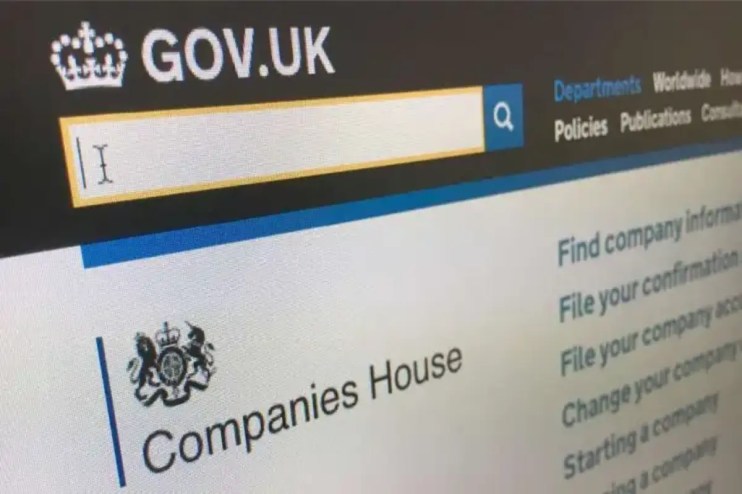
Small businesses are breathing a sigh of relief after it emerged the government is set to U-turn on the introduction of new onerous Companies House rules.
The new rules, which were due to come into effect in April 2027, would have required small and micro companies to disclose their profit and loss statements for the first time by removing current exemptions, as well as use external software to file their accounts.
But it now appears business secretary Jonathan Reynolds will step in to scrap the move and keep the current rules in place, after startups and investors warned of the difficulties the new rules would have posed.
“This will not happen as long as Jonny is in place,” an ally of Mr Reynolds told the Financial Times. “It doesn’t fit with our plans to cut regulation.”
‘A misdirected idea’
The move was set to be part of the UK government’s wider transparency overhaul under the ‘economic crime and corporate transparency act’, passed in 2023, aimed at clamping down on fraud and shell companies.
Seb Wallace, founder of Triple Point Ventures, told City AM the changes could “push (people) into the grey market”, and in some cases, cause some founders to “cease to incorporate” in the UK altogether.
“It’s a misdirected idea, a decision made by people who have obviously never run a business”, he said.
Other investors have also echoed these concerns. Chris Smith, managing partner at Playfair, warned that public revenue disclosure will give large clients outsized leverage on small suppliers.
“Customers will see the percentage of revenue they are contributing to your company providing them with leverage to use against you – ‘well, we can see that we are 60 per cent of your revenues so we’d expect a material discount at renewal’”, he posted on Linkedin.
He also cautioned that competitors will utilise the information to talk down startups and SMEs, which will “stifle innovation if buyers have to favour strong P&L versus the optimal product”.
Wallace said of the move to scrap the new rules: “This is a pragmatic decision at a time where small frictions need to be avoided.
“Other legislation, such as the Employment Rights Bill, also needs careful second order consideration if we are to ensure the UK remains a competitive place to do business in the future.”