Reeves is outrageously complacent on economic growth

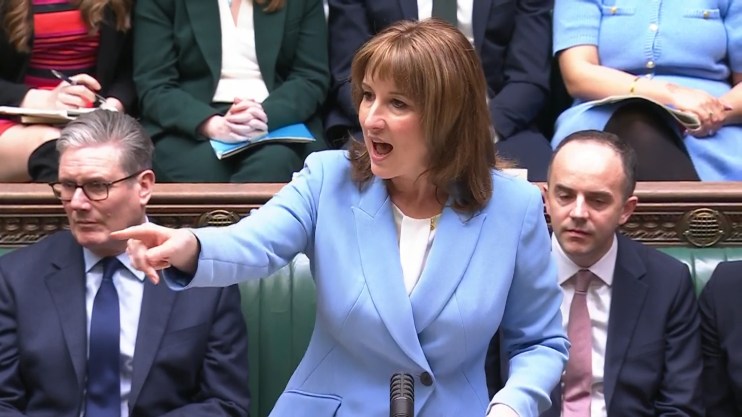
The dust has settled on the Chancellor’s pointless Spring Statement and, if anything, it looks even worse in the rear-view mirror than it did in real time. Yesterday, top think-tanks and policy wonks chewed over the claims made by Rachel Reeves in her panglossian speech to MPs, and they don’t appear to be overly impressed.
While Reeves said that people will be £1,000 a year better off by the next election, the Joseph Rowntree Foundation said that, after taking into account rent and mortgage costs, total disposable income would have risen by just £40 a year between April 2024 and April 2029. Another lefty institution, the Resolution Foundation, calculated that the income of an average working-age family would fall by 0.5 per cent between 2026 and 2029. They described the prospect as “bleak” and warned that middle-income households will be hit hardest.
So, not a ringing endorsement of the Chancellor’s boast that all is going swimmingly. In her defence, the issue of stagnating income and languishing living standards has dogged Westminster (and the rest of us) for 20 years, but the problem is now on her watch so we’re entitled to ask what she’s going to do about it.
The economic situation is critical
Beyond Labour’s instinctive preference for subsidies, redistribution, higher welfare spending and tinkering with regulated prices, the answer to all our problems can be found in one word: growth. Reeves promised she’d have more to say on this critical but elusive concept at her Mais Lecture later this month (what a tease!) but with respect, why must we wait for the occasion of a wonkish annual lecture to hear this plan? We don’t have time for academic indulgence; the situation is urgent.
Yesterday, top City analyst Simon French identified three areas where government policy is effectively rationing supply – in land, energy and capital. It was a compelling diagnosis and, with immaculate timing, the centre-right think-tank, Bright Blue, has released a set of policy recommendations concerning these very areas.
They call for thoughtful but radical deregulation of the housing sector and sweeping changes to energy policy. The government could and should act swiftly to stimulate and sustain much-needed economic activity while at the same time rewiring our labyrinthine regulatory landscape to promote investment and lower costs.
Why must we wait for yet another of the Chancellor’s set-piece speeches to find out what her own plan is?