One in five founders expect to leave UK in next 12 months

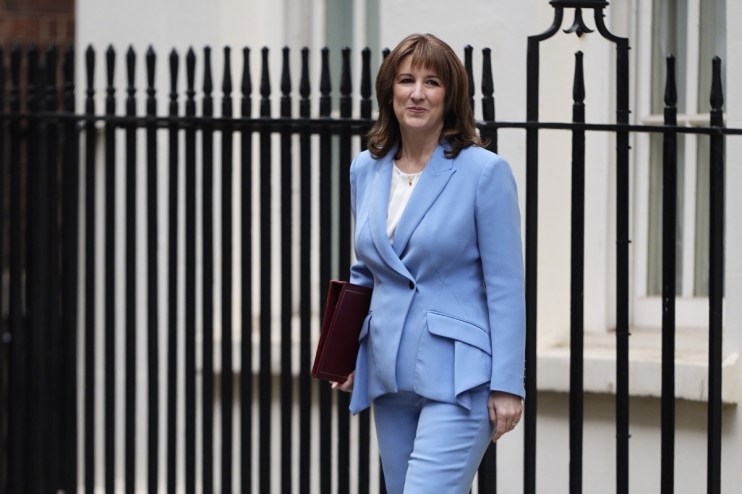
A fifth of British entrepreneurs expect to leave the country in the next 12 months as confidence in the government sinks to a new low.
Fresh data from the Entrepreneurs Network has revealed the growing fears of a ‘brain drain’ could be set to escalate with just over one in five founders pencilling in plans to ditch the UK.
It follows a string of controversial fiscal policies from Rachel Reeves in a bid to shore up the public finances, which have targeted a number of the nation’s biggest – or aspiring – wealth creators.
This has included the Chancellor abolishing the non-dom regime, applying VAT to school fees and freezing income tax thresholds.
Around 86 per cent of the 272 entrepreneurs surveyed by the network said the Labour government does not understand their needs.
Philip Salter, founder of The Entrepreneurs Network, said: “Entrepreneurs are inherently optimistic, so when confidence drops to this extent, it’s worth paying attention.
“Founders are telling us that the current climate is making it harder to invest, hire and innovate — and that has long-term implications for the economy.”
‘No party understands founders needs’
The founders also reported major difficulties across raising investment, with three quarters of those surveyed citing concerns in the area.
Around two-third also reported issues with hiring new staff, which follows the string of pressures on the jobs market.
On Thursday morning, fresh figures from the Office for National Statistics (ONS) revealed that the number of job vacancies had fallen slightly to 721,000, but youth unemployment remains worryingly high.
It comes as employers and business groups across the board point the blame towards the higher tax burden and extra workers’ rights regulation for the weakening of the jobs market.
When respondents were asked who they would vote for in the event of a General Election, Labour only garnered eight per cent of the vote, compared to the Conservatives, which gained ground at a quarter of the vote.
But questioned on which party best understands their needs, ‘none of the above’ scored the highest at 37 per cent. This was shortly followed by the Conservatives at 37 per cent, with drastic space between the Liberal Democrats at third place with 10 per cent.