Wealth and stealth: Starmer eyes fresh tax hikes

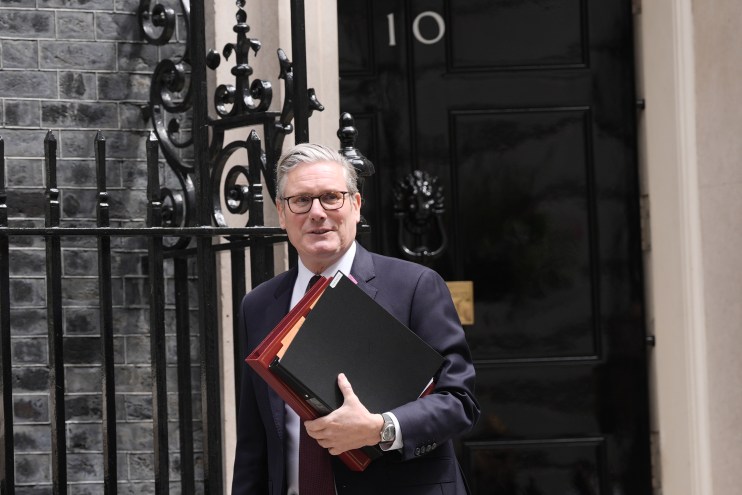
Keir Starmer has refused to rule out a wealth tax or so-called stealth taxes, a day after the fiscal watchdog said unfunded spending commitments on welfare put the public finances under intense pressure.
The Office for Budget Responsibility (OBR) gave a damning verdict of the state of public finances in a comprehensive report published on Tuesday, warning that “unfunded” U-turns on welfare totalling some £6bn and defence spending hikes added “downside risks” for Chancellor Rachel Reeves.
During Prime Minister’s Questions, Starmer pointedly ignored a question from Tory leader Kemi Badenoch on whether he would rule out introducing a wealth tax. In contrast, the PM answered “yes” when asked to rule out hikes to income tax, national insurance and VAT.
But when asked whether he would introduce a wealth tax, which former Labour Party leader Neil Kinnock suggested could see assets worth more than £10m taxed at a rate of two per cent, Starmer avoided a straight answer.
“[Badenoch] said we shouldn’t be asking her for advice about the economy – she’s absolutely right about that.
“What we did in the Budget was stabilise the economy through the measures taken by the chancellor, and what has that led to? Four interest rate cuts – for mortgage holders, that is hugely important.”
Starmer also failed to rule out extending the freeze on income tax thresholds, often referred to as a “stealth tax” due to bands not adjusting with inflation, which could drag pensioners into paying tax.
The nightmare of fiscal drag
The Institute for Fiscal Studies (IFS) has suggested that a freeze to income thresholds could raise the government some £9bn extra in revenue.
But researchers at the think tank said a wealth tax had not worked in other countries before as it had failed to generate enough tax receipts in the longer term.
Stuart Adam, a senior economist at the IFS, said: “In practice, implementing a wealth tax would be difficult.
“It would require the government to set up a new administrative apparatus to value wealth – and valuation would be extremely difficult for some assets, such as private businesses: it is much easier to observe and tax the stream of income they generate.
“International experience of annual wealth taxes is not encouraging: they have been abandoned in most of the developed countries that previously had them.”
The government may have to raise taxes by as much as £30bn at the Autumn Budget, according to City analysts.
The OBR have also warned that longer term risks could hamper public finances as it pointed to the costs of keeping the triple lock pension due to an ageing population.
Recent changes in how pension funds contribute to gilt markets and the hazard of climate change and costly net zero policies could further damage the UK economy, imposing a greater burden on taxpayers.