MPs are caught in a welfare catch-22

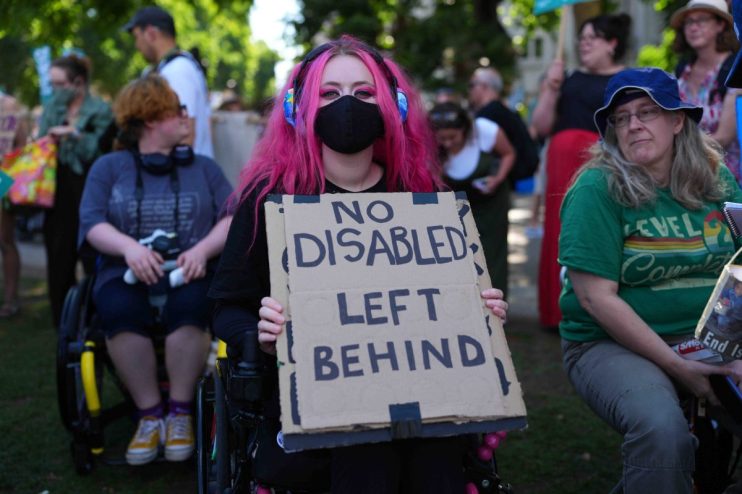
The more a constituency depends on welfare, the stronger the incentive for its MP to leave it alone, whichever party they sit for, writes Anne Strickland
Politicians across the spectrum are now grappling with the fiscal legacy of decisions made over several decades. That is not the neo-liberal straw man that Andy Burnham and other politicians on the left like to bleat about. If anything, it is the opposite: the state has grown layer upon layer, racking up debts that are now coming home to roost.
The Taxpayers’ Alliance previously estimated that the government’s wider financial commitments will reach £11.7 trillion in 2026-27, including liabilities such as state and public-sector pension commitments. On the balance sheet, debt has already flown past £3 trillion, and debt interest alone is now costing more than £100bn a year, nearly double what we spend on defence.
MPs are disincentivised to cut welfare
Part of this pressure comes from Britain’s growing welfare bill. Both the scale and rapid rate of that growth have singled welfare out as the core target for every major party, with the exception of the Greens. We are already spending almost a billion pounds a day on welfare, and by the end of the decade, that bill is expected to cost over £400bn per year, an increase of almost 30 per cent. Keeping track of these increases is no easy task. But the TPA’s new benefits dashboard makes it easy to see just how dramatically welfare spending has surged.
Concerningly, disability benefits are growing even faster. Spending is forecast to rise from £41.4bn in 2024-25 to £65.5bn in 2030-31, an increase of 58 per cent, driven in large part by a surge in psychiatric PIP claims. ADHD claims have risen by 233.5 per cent over the last five years and autism PIP claims rose 136.6 per cent over the same period.
The race is on to get to grips with this spending. But every party facing that task runs into the same obstacle: the people best placed to stop it are often the people most likely to lose from it. The more a constituency depends on welfare, the stronger the incentive for its MP to leave well alone, whichever party they sit for.
How vulnerable is each party to PIP claimants?
New Taxpayers’ Alliance analysis shows just how vulnerable each party is to the decisions needed to get our benefits bill under control.
Labour is the most exposed. Its constituencies contain 65.5 per cent of the population of England and Wales but 72.7 per cent of PIP claimants, with 71.9 claimants per 1,000 residents, compared with the national average of 64.8. Reform is close behind, with a claimant rate of 71.3 per 1,000 residents. The Conservatives have a considerably lower PIP claimant rate, at 50.1 per 1,000 residents, but their seats experienced the fastest recent growth among the three parties, with PIP claimant numbers up by 20.8 per cent in just two years. Clearly, the three biggest parties face similar challenges.
Nobody illustrates that trap better than Sir Stephen Timms, the minister charged with reviewing PIP. His constituency of East Ham has a welfare bill of £415.6m, the 23rd highest in the country. The man tasked with fixing disability welfare represents one of the places with the most to lose. It is no wonder then that the Timms review explicitly states that its purpose is not to bring down PIP spending at all.
In short, all the vying parties at the next election face the same bind. Any serious attempt to bring the welfare bill down risks electoral suicide in the seats that each party needs to win. Parties must stand firm if they are to get the bill down. They must be willing to lose votes in their own backyard to fix a bill that the country can no longer afford to let grow unchecked.
Anne Strickland is a researcher at the Taxpayers’ Alliance