Lib Dems: Starmer has gone ‘cap in hand’ to China despite spy threats

Keir Starmer has been accused of going “cap in hand” to China, piling further criticism on the government’s trade ambitions with a country that has backed hacking operations against the UK.
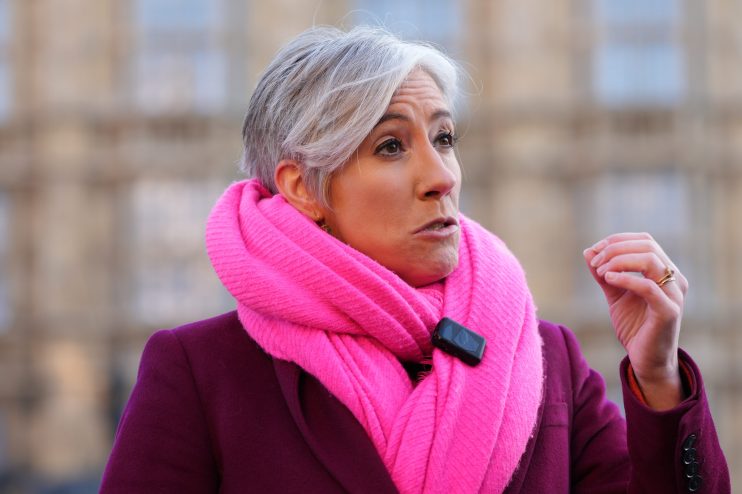
Liberal Democrats deputy leader Daisy Cooper demanded deputy prime minister David Lammy, who stood in for Starmer at PMQs, to name a “single consequence” for China should it continue its “campaign of espionage”.
Lammy said ignoring China would be a “dereliction of duty” and said the UK government was determined to find a “consistent and long-term strategic approach grounded in reality” in relations with the world’s second largest economy.
“We’ll co-operate where we can and I’m sure in areas like climate she would expect us to co-operate, and we will challenge in areas where we disagree,” Lammy said.
Cooper also said: “Whilst the Chinese regime still holds British citizen Jimmy Lai captive in prison and whilst the Chinese regime continues to hunt down pro-democracy protestors on the streets of Britain with bounties on their heads, the British Prime Minister has gone cap in hand to China to ask for a trade deal on the promise of a super embassy from which the Chinese regime will continue to spy on us.”
Criticism from the Lib Dems, the third largest party in parliament, came after Tory leader Kemi Badenoch said she would not be going to China “because I don’t think that this is the time to do that”.
“I think that that is what the Prime Minister should be talking about and he needs to show strength, not approving a super-embassy which many people think is going to become a spy hub,” Badenoch added.
Bosses ‘making history’ on China trip
Starmer’s visit to China has faced criticism from several protestors and MPs across the Commons.
But some business executives have taken a different view, supporting the government’s ambition to boost trade ties.
After arriving in Beijing, Starmer told delegates from major companies including GSK, HSBC and Barclays that they were “making history” by joining the government on the trip.
“They say eight days is a long time in politics, try eight years, because it’s eight years since a British prime minister stepped on Chinese soil,” Starmer said.
“We are resolute about being outward-looking, about taking opportunities, about building relationships and always being absolutely focused on our national interest.”
Starmer is expected to meet President Xi Jinping tomorrow. He will also travel to Japan later in the week where national votes are set to be held within a fortnight after prime minister Sanae Takaichi called a snap election.