Labour urged to rethink donor incentives for museums amid non-dom exodus

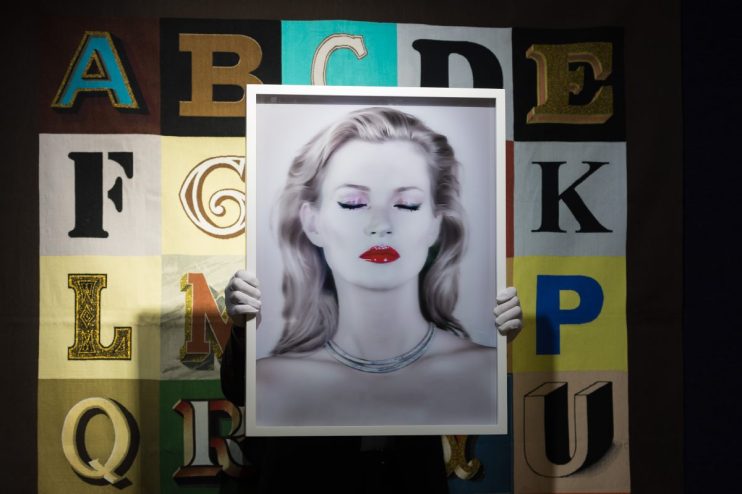
The exodus of non-doms from the UK is having a knock-on effect on philanthropy, with museums now urging the government to bring back generous donors.
Museums, such as the British Museum and Tate Modern, acquire expensive, world-class paintings primarily through a mix of public funding, major grants from organisations and private philanthropy.
However, with the exodus of non-doms from the UK following Labour’s rule changes, museums are increasingly facing fundraising challenges.
Sir Tristram Hunt, director of the V&A, told the FT that Rachel Reeve’s 2024 Autumn Budget was “definitely a challenge” for fundraising. Sir Hunt also called on the government to show gratitude to donors who make large gifts to arts institutions.
However, there are tweaks Labour can make to current gifting policies that will ease pressure on the City’s museums.
Clarissa Levi, art and heritage counsel at law firm Wedlake Bell, told City AM that the cultural gifts scheme (CGS) is a specific tax model introduced in 2012 to encourage philanthropy.
The CGS allows individuals to make gifts of important objects and works of art to museums and, in exchange, receive a 30 per cent tax reduction on the gift’s value, which they can use to reduce their income and capital gains taxes over five years.
Tweaks needed to the CGS
However, as Levi pointed out, this scheme can only be used by individuals, so joint trustees or married couples are not eligible. If the government amends the scope, “it’ll make a big change for trusts”.
Another issue she pointed out was that if you receive a tax reduction over the five-year period, you must outline how you will use that discount from the outset.
“[So if you say], ‘I’m going to use one fifth of that tax reduction against my capital gains tax every single year for the next five years’, but if you don’t end up having any capital gains, you don’t get to roll over the reduction to use double next year. You lose it,” she explained.
“It is quite difficult to know in advance what your tax income is going to be,” she added, noting the hopes for more flexibility on how people use this reduction in their tax affairs.
Changes are anticipated to allow jointly owned objects to be given under the CGS by multiple owners, and to provide flexibility in applying the tax reduction over a five-year period, which is hoped to be announced in 2026.
This comes as culture secretary Lisa Nandy announced last week a £1.5bn package to be invested to save more than 1000 arts venues, museums, libraries and heritage buildings across England from closure.
Museums are essential to London, with over 85 per cent of foreign visitors citing them as a key reason for visiting the capital.