IMF offers UK modest growth upgrade despite fresh Iran war tension

The UK economy is set to grow just one per cent this year, according to the The International Monetary Fund (IMF), following a modest revision from its previous gloomy prediction.
The IMF said the consequences Iran war, which has led to continued disruptions across the economically-critical Strait of Hormuz, would soften momentum across the UK economy by less than it previously expected. The new forecast was produced before President Trump declared on Wednesday that the ceasefire is “over” following renewed hostilities.
IMF economists slightly revised up the UK’s previous forecast of an anaemic 0.8 per cent growth.
Growth in the UK is set to lag behind the US and Canada this year although it is projected to surpass other G7 nations – Germany, France, Italy and Japan.
The IMF’s UK growth forecast for 2027 was left unchanged at 1.3 per cent, which was also below Canada and the US.
The US-based organisation said that energy prices would remain higher than before the war as gas prices in Europe would be nearly $16 above what they were before the war. Oil prices have broadly stabilised after having hit a peak of around $120 per barrel in April.
Food prices could rise by as much as eight per cent due to higher fertiliser costs and more expensive transport.
The IMF struck a more optimistic tone on inflation prospects in the UK than other forecasters as it said core price growth, which excludes food and energy prices, could return to the target two per cent rate by the middle of next year.
UK economy beholden to Iran war’s harm
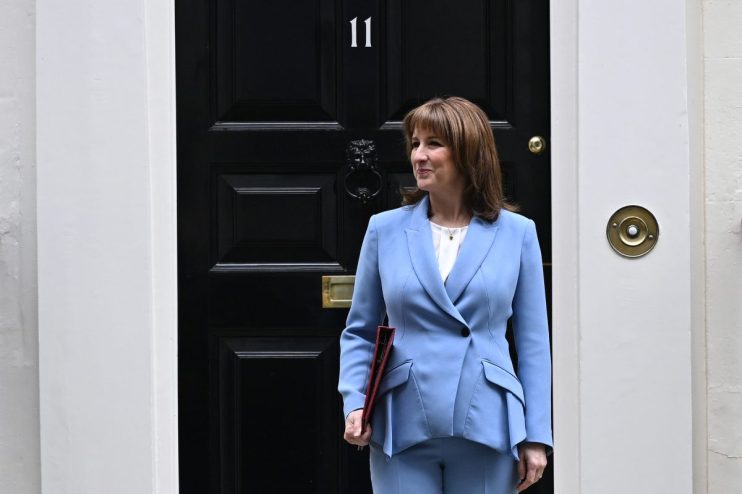
Rachel Reeves emphasised that the UK was the only country where growth forecasts this year had been upgraded.
“This shows we have the right economic plan to build a stronger and more secure economy,” she said.
“Our choices mean the economy is in a better position to deal with the costs of the war in Iran while kickstarting long-term growth by focusing on our three big choices – boosting AI, regional growth and strengthening trade with the EU.”
It will be the last major forecast of Reeves’ chancellorship before she is expected to be replaced. Ed Miliband, the energy secretary who has led the government’s headlong push for net zero, is the favourite to take over while the likes of Wes Streeting and Yvette Cooper have also been trumped up as potential successors.
The IMF’s forecast is more optimistic than several other independent forecasters. Berenberg and EY are among those to predict growth of just 0.8 per cent this year. The Office for Budget Responsibility predicted that the UK economy would grow by 1.1 per cent, though its estimate came before the Iran war began in March.
The IMF’s summer forecast was also written before tensions in Iran and across the Strait of Hormuz in the Middle East flared up again overnight, with President Trump earlier saying that the ceasefire was “over”.
The US struck targets in Iran after shipping vessels passing through the Strait of Hormuz were hit on Tuesday. Oil prices rose by more than three per cent on Tuesday morning as Trump called Iranian leaders “cuckoo”.
Shadow chancellor Sir Mel Stride said: “The IMF’s forecast shows growth slowing – yet another reminder that this Labour government is out of its depth.
“With more taxes and borrowing on the horizon under Burnham, Labour look set to double down on all of the mistakes they have already made. Unemployment is continuing to rise, as is the cost of living for families.”