House prices ‘continue to surprise’ as average property value ticks up in May

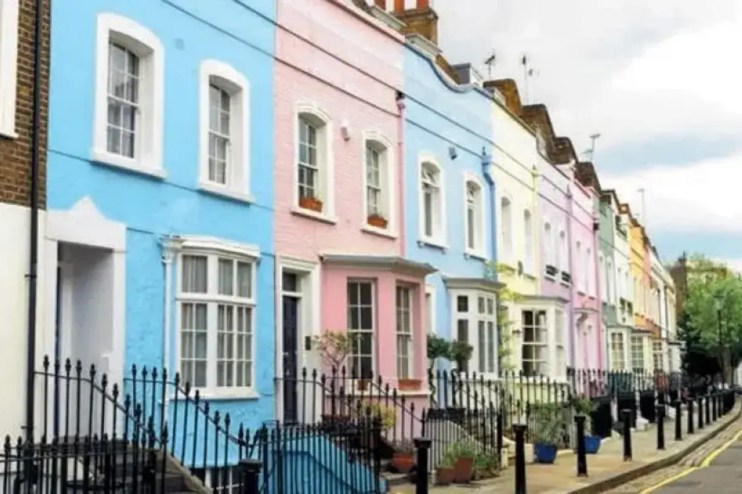
UK house prices rose again in May, bucking predictions of a slowdown in the market after stamp duty relief was axed earlier this year.
The average price for a UK property reached £269,000 in May, up 3.9 per cent year on year and 1.1 per cent month on month.
The bulk of this increase was again driven by house price rises in the North East and Northern Ireland, with inflation in London and the South East hovering around two per cent.
Other regions of the UK have slowly been catching up with London’s post-financial-crisis boom in house prices over the last few years, particularly Northern cities like Manchester and Newcastle, with many Londoners reaching an affordability ceiling and moving out of the city to buy.
Tomer Aboody, director of specialist lender MT Finance, attributed the overall growth in house prices to lower borrowing costs, improving buyer affordability and smoother transactions.
But Aboody warned while the figures “appear positive”, transaction volumes “still trail behind where they were last year amid fears that Reeves’ budget, which has hit businesses and borrowers hard, will continue to have a negative effect going forward”.
Homebuyer appetite ‘yet to diminish’
Despite record affordability issues, demand for the UK’s available housing stock remained high.
“The appetite of the nation’s homebuyers is yet to diminish… they remain motivated to push on with their plans to purchase despite the higher cost of stamp duty when doing so,” Director of Benham and Reeves, Marc von Grundherr, said.
Stamp duty relief for first-time buyers was axed at the end of March, adding thousands on to the cost of a new home.
“The market continues to demonstrate stability and resilience on an annual basis, with house prices remaining higher than they were this time last year, despite the strengthening economic headwinds that we’ve had to contend with,” von Grundherr added.
Head of sales at Richmond, Amy Reynolds, said that the UK’s market “continues to surprise”.
“While headlines paint a gloomy picture, the reality on the ground is far more nuanced… June was a record month for us in terms of newly-agreed deals, and July has started strongly for exchanges. That said, fall-throughs were also high in June – it’s very much a tale of two halves,” Reynolds said.
Sticky inflation signals trouble
Inflation reached 3.6 per cent in June, according to the latest figures, making it less likely that the Bank of England will cut rates in August.
Without a rate cute, mortgages will remain out of reach for many, despite the lower deposit scheme planned by Reeves.
“The unexpected increase in inflation to 3.6 per cent in June may persuade the Bank to pause with regard to further reductions, although much depends on other economic data such as the jobs market,” Jason Tebb, president of OnTheMarket, said.
“With mortgage lending rules being relaxed to assist buyers with affordability and boost first-time buyer numbers, there is recognition that it is a struggle to get on the housing ladder but only time will tell if these measures are enough to make a real difference.”