Gucci to Zara: Brands ramp up fight against domain ‘squatting’

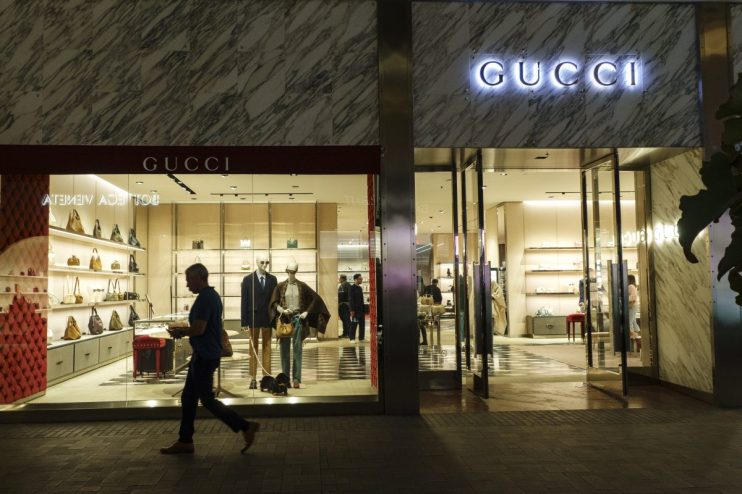
Global legal disputes over ‘squatted’ web addresses rose to 6,282 cases last year as big companies, especially fashion brands, are fighting back against counterfeit goods.
According to data by Mathys & Squire shared with City AM, disputes over web addresses are up 49 per cent in five years (from 4,204) and 128 per cent in ten years (from 2,754).
Fraudsters frequently set up websites with names similar to those of brands to sell counterfeit goods, including luxury handbags, luxury clothing, and even pharmaceuticals like Ozempic and Mounjaro.
With fraud surging, businesses are turning to the law. Last year, Gucci launched 20 cases, Zara owner Inditex launched 5 cases, and Eli Lilly, the pharmaceutical giant behind weight-loss jab Mounjaro, was also involved in 25 cases.
Lawyers warned that “bad actors” can now use AI to launch fraudulent sites in minutes, significantly lowering the barrier to entry for impersonation scams.
Claire Breheny, head of trade Marks at Mathys & Squire, explained that the high number of disputes is being driven by the rapid expansion of global domain extensions, such as .shop, .online and .tech.
She added that the constantly growing range of available domains means businesses can struggle to keep track of registrations that may be associated with their brands.
In the UK, domain squatting remains a significant issue, with World Intellectual Property Organisation (WIPO) cases brought by UK companies doubling over the past decade, from 229 to 450.
“These figures show that brands cannot afford to be complacent, especially with the advent of AI and the fact that bad actors can have fraudulent sites up in minutes,” Breheny added.