Global trade at risk as insurers suspend cover following Iran conflict

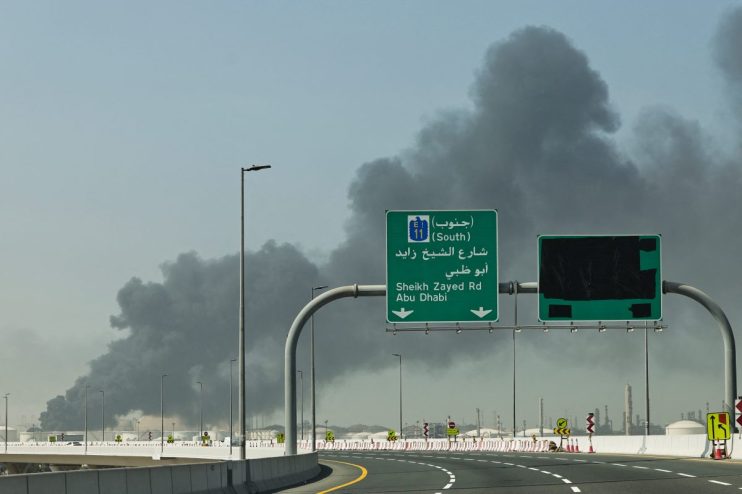
More than half of the world’s largest maritime insurance firms are set to cease covering war risks for ships entering the Persian Gulf after conflict broke out in the Gulf region, following the US and Israel’s launch of strikes on Iran on Saturday.
As of Thursday, seven members of the City-based International Group of Protection and Indemnity Clubs will terminate war-risk cover automatically if vessels enter the Persian Gulf, according to Bloomberg.
So far, the members who have decided to take war-risk cover are Gard AS, NorthStandard, Steamship Mutual Underwriting Association, Assuranceforeningen Skuld, American Steamship Owners Mutual Protection and Indemnity Association, The Swedish Club, and the London P&I Club.
The London insurance marketplace is the largest supplier of war insurance, writing between 70 per cent and 80 per cent of the world’s war business.
However, war insurance is an unusual product, as insurers can intervene mid-policy.
The Persian Gulf, sometimes known as the Arabian Gulf, is critically important for global trade as it is the primary route for over 20 per cent of the world’s total oil and liquefied natural gas (LNG) consumption through the Strait of Hormuz.
Today, the cost of a barrel of Brent crude, the international benchmark for oil prices, climbed 13 per cent to $82, marking its highest level since July 2024, as concerns spiked over a significant amount of the world’s oil supply amid the attacks on Iran.
Shipping faces crisis following conflict
Since Donald Trump and Benjamin Netanyahu’s surprise attack on Tehran in the early hours of Saturday morning, Iran has retaliated with strikes on major cities in the UAE, Qatar, Kuwait, and Israel.
Most of the airspace in the region, with Dubai and Doha as key travel hubs, was closed after missiles lit up the skies.
International shipping in the Persian Gulf had almost come to a standstill at the entrance to the Strait of Hormuz after the UK Maritime Trade Operations Centre said that two vessels had been struck, and an “unknown projectile” was reported to have “exploded in very close proximity” to a third.
Dylan Mortimer, marine hull UK war leader at Marsh, said: “The primary risks centre on the Persian and Arabian Gulf, particularly the threat of vessel boarding and seizure by Iranian forces and the potential closure of the Strait of Hormuz.”
“It is very early to tell at this point, but we would estimate that near-term rate increases for marine hull insurance in the Gulf could range from 25 to 50 per cent, barring any direct attack on merchant shipping, which could have major repercussions across war insurance rates.”
“Given the military build-up in the region, crew are far more likely to be concerned than they might have been to previous risks. The situation remains very fluid, requiring ongoing attention,” he added.