Gatwick takes ‘significant’ passenger hit from Iran war

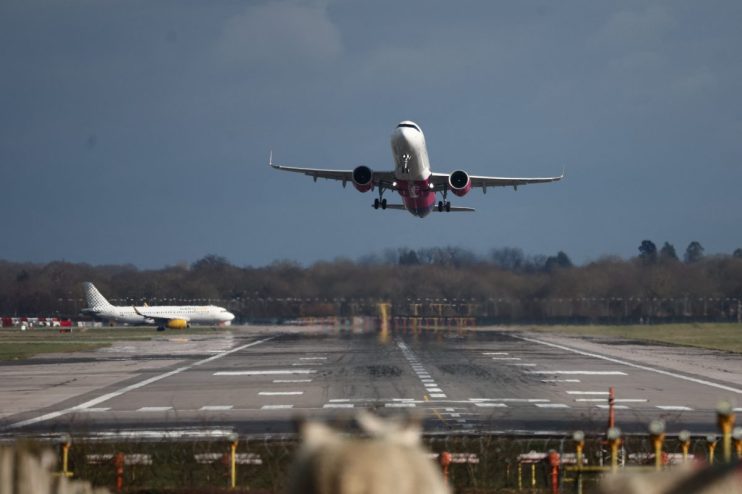
Gatwick has suffered a “significant” decline in passenger numbers as a result of the Iran war after airlines cancelled flights to the region and holidaymakers swerved destinations like Cyprus, Greece and Turkey.
The UK’s second-biggest airport saw total passenger numbers drop by nearly five per cent because of the Middle East conflict, weighing on revenue and profit.
Pierre-Hugues Schmit, Gatwick’s chief executive, said: “Services to the region represent a relatively small part of our business but they were affected at significant levels and are recovering only progressively and overall, this crisis has driven lower passenger numbers.
“It also impacted jet fuel and while there have been no shortages, the aviation industry has had to navigate higher costs despite the hedging positions that the majority of our carriers have.”
Gatwick reported falling interest in destinations with a “perceived association” with the Middle East conflict, including Cyprus, Turkey, Greece and Northern Africa.
The airport’s total passenger numbers declined by 4.7 per cent to 19.1m in the six months to June, as pre-tax profit dipped by 18 per cent to £137m.
The group’s overall revenue jumped by 4.8 per cent to £23.8m, though its turnover from the core airport business slipped as a proportion of total revenue, falling from 50 to 49 per cent.
Wage inflation drives up Gatwick costs
Gatwick said the Iran war has not been the only driver of increased costs this year. Rising employment costs contributed to a five per cent jump in its operating costs, to £318m.
“The situation in the Middle East has led us to refocus efforts on managing our cost base while maintaining strong service levels.
“However, our costs have been impacted by several macro-economic factors, including wage inflation and higher utility costs,” the airport said.
Announcing its results for the period, Gatwick sought to downplay the risks of a jet fuel shortage caused by the closure of the Strait of Hormuz.
In May, research by insurers Allianz found that the UK’s aviation industry was Europe’s most “structurally exposed” to the risks of a shortage.
Though these concerns have been a “focus of industry and media attention” there is no “immediate shortage,” Gatwick said. “Despite some isolated service cancellations, airlines have broadly reassured customers that operations are continuing as planned.”
Schmit said the airport faces a “broadly encouraging” outlook, pointing to the launches of seven new carriers including Jet2, Air France, Condor and Eurowings.
Gatwick said 75 per cent of its flights departed on time in the past six months, level with last year, though the number of passengers passing through security in five minutes or less fell from 98.1 to 96.8 per cent.