‘Fibremaxxing’: How food manufacturers made fibre cool again

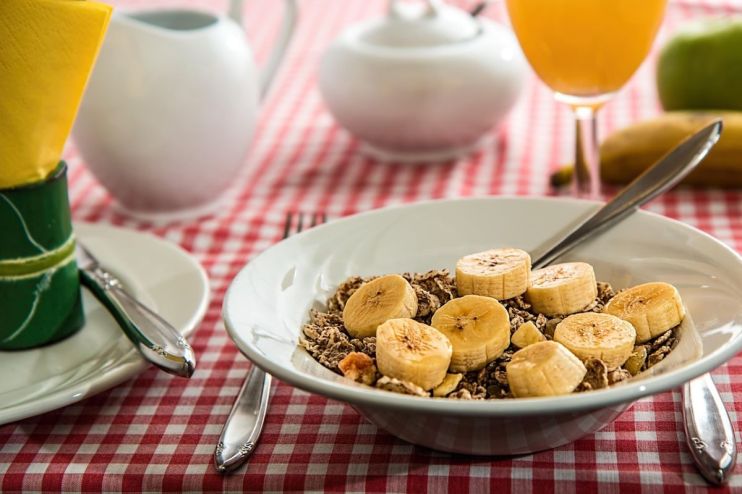
“Fibremaxxing,” the UK’s new healthy eating trend, erupted at the start of 2026, as fibre replaced protein as the go-to fashionable food. Previously mundane, bland foods like prunes and seeded bread surged in popularity, with posts with the hashtags “fibremaxxing” having been viewed more than 150m times on TikTok.
Sales of prunes increased 60 per cent in the past year and demand for fruit and fibre-rich cereal is up 52 per cent according to a survey by Savanta and Ocado which found that 62 per cent of Gen-Z eaters were trying to increase the amount of fibre in their diets.
But British food producers argue this is nothing new. This is not a spontaneous trend which snowballed from one Gen-Z TikTok user deciding to vlog about their new rye bread. Rather, “fibremaxxing” is the end product of a long, gruelling campaign waged by some of the UK’s biggest food producers to make fibre cool again.
‘Building momentum for years’
The Food and Drink Federation (FDF), which represents manufacturers across the UK, quietly first began turning towards fibre in 2021, when it launched its “Action on Fibre” initiative.
“This is something that’s been building momentum for quite a few years now,” said Amy Glass, head of UK diet and health policy at FDF. The group had been working with its members on encouraging consumers to cut down on salt, sugar and calories, but felt that their dietary campaigning could benefit from a more positive – rather than restrictive – approach.
Since the FDF launched this initiative its members have launched more than 400 high-fibre products, meaning around 1.5bn servings of fibre have been consumed as a result of these efforts. The costs of reformulating products is huge, and the FDF estimates food manufacturers spent £180m on developing healthier options in 2024 alone.
Premier foods – which owns well-known brands including Mr Kipling, Bisto and Ambrosia – told City AM it joined the FDF’s fibre campaign in 2022 and contributed 554 tonnes of fibre to the UK market in 2025 alone.
Catherine Lloyd, chief marketing officer, said: “We have added brands such as Merchant Gourmet to our portfolio, with sales across the range increasing 18% in the first full quarter under our ownership, as we see a shift in demand for naturally fibre-rich ingredients such as beans and lentils.
“Through all of this we are focused on making it easier for households to enjoy delicious, higher‑fibre foods as part of everyday eating.”
A spokesperson for baking firm Warburtons told City AM it plans to make 60 per cent of their products a source of fibre by 2030 and half of its range high in fibre by 2040. Fibre’s online popularity has come at a good time, with Warburtons citing YouGov polling showing that just 12 per cent of 18 to 34 year-olds know what fibre does, compared with 28 per cent of over-55s.
The spokesperson said: “It is clear that consumers are increasingly looking at food that not only tastes great but is affordable and offers positive nutritional benefits. We have seen this with Protein over the last few years and are really pleased that it is fibre’s turn for the spotlight.”
The bread manufacturer said they’re “confident” fibre is not a fleeting trend, and is here to stay. “People are paying closer attention to the nutritional value of the foods they buy every day, and fibre is increasingly part of that conversation,” they said.
‘Fibre’ or ‘fiber’?
Ryvita, a brand of crispbread and an FDF member, has been engaging directly with Tiktok users to highlight the importance of fibre, Glass said.
“Those types of initiatives will really have helped to build that awareness among consumers and hopefully have driven some of this trend that we’re seeing now,” she said.
But what came first, the consumer or the manufacturer? Google Trends data for searches for “fibre” appear to prove that this trend was a long-term campaign rather than an overnight trend. Searches for the term increased steadily from around mid-2021, with regular dips during the winter months, to eventually reach peak popularity around January this year.
But the data for the American spelling of the term – “fiber” – suggests why this craze seemed to appear on the world’s Tiktok feeds overnight. Interest in the American version of the word has historically been far lower, and stayed low before peaking suddenly at the start of this year, when its popularity more than doubled between December and February.
So, while fibre has been slowly creeping onto our supermarket shelves over the past half-decade, it seems that social media users across the Atlantic came across the food-stuff overnight, and only then did UK consumers realise what their retail industry had spent years building.