Even with world-class parks, Londoners don’t have enough green space

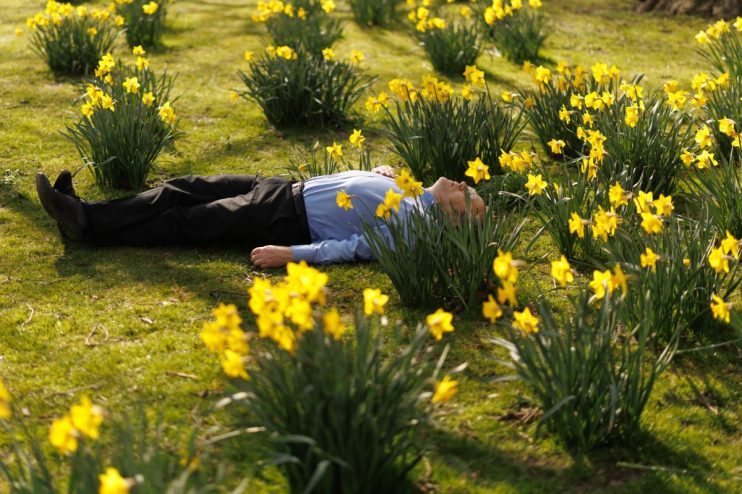
Even with our world-class parks aside, Londoners need more green space – here’s our plan to change it, writes Hilary McGrady in today’s Notebook
When you think of the National Trust, you might think of country estates, woodland walks and cream teas. You probably don’t think of The Big Smoke, or towns and cities in general.
But ever since our founder, Octavia Hill, campaigned to save Hampstead Heath and Hilly Fields from development, the Trust has long been connected to our towns and cities. And thanks to a new partnership, we’re rediscovering those urban roots.
Last night, in Westminster, we celebrated the launch of Nature Towns and Cities, a mission to bring more green into the UK’s urban centres. It’s a partnership between the National Trust, the National Lottery Heritage Fund and Natural England and it’s centred on the ethos that everyone, everywhere should have easy and local access to nature.
We’ve already invested £15.5m of Lottery money into the first 40 towns and cities, and over the next decade the aim is to help at least 100 places to be greener.
Why does all this matter to Londoners? Well, because for all its world-class parks, many residents of this city – particularly those in poorer neighbourhoods – are still deprived of local green space.
So in Ealing, some of the Lottery funding is helping create a regional park co-designed by residents that will join up isolated green spaces along the River Brent for millions of people to use. In Lewisham, we’re supporting plans to transform the borough’s green spaces, working with the whole community including people with disabilities.
Of course, this funding can’t solve the problem alone: we need our politicians to step up too. Last night, I called on the government to amend its much-debated Planning and Infrastructure Bill so that regional plans and new towns are required to include large, accessible green spaces, as well as nature on people’s doorsteps.
Over a century ago, the National Trust’s founders knew that nature was one of life’s essentials, not a privilege for the wealthy or simply a “nice to have”. The same couldn’t be truer today.
A treasure trove in South London
I had a tour of The Horniman Museum in Forest Hill recently and what a treasure trove it is. The whole building is jam-packed with eclectic objects from around the globe, mixing history and ecology to great effect. I can’t think there are many places in the world that hold such a range of curiosities, from 1,300 historic musical instruments to a robot zoo, a butterfly house and an overstuffed walrus (although the latter isn’t on display right now while the gallery gets a revamp). It’s free to enter and does a great slice of cake – the importance of which, as we know well at the National Trust, can’t be overstated.
Heritage on your doorstep
We all need a reminder once in a while to look up from our phones and screens, and the upcoming Heritage Open Days festival (12-21 September) encourages us all to do just that. Heritage Open Days has been going for over 30 years and is a free celebration of heritage, history and culture happening right across the country. In London, everywhere from The Bank of England and The British Library to London Fo Guang Shan Temple is getting involved. There are bat walks, crypt tours, chocolate making, music events – the works. We know from research that getting people engaged in local heritage helps them feel proud of where they live, and with civic pride declining, initiatives like Heritage Open Days feel increasingly important. There’s economic benefit too; last year £11.5m was contributed during the festival through secondary spend. Do look at the Heritage Open Days website for listings.
Green shoots in Bristol
Speaking of festivals, this Thursday I’ll be attending the first ever Wild Summit in Bristol. OK, it’s not exactly a festival, but a big gathering of citizens, campaigners, charities, politicians and businesses who want to see nature and wildlife thrive and have some exciting ideas for how to do so. Poll after poll tells us that people in the UK want good quality green space (not simply a patch of grass) near where they work and live, and recent initiatives here in London like the reintroduction of beavers, or the restoration of Hackney Marshes show how nature can flourish even in the most urban of environments, if we just give it a chance. The goal of the summit? To help the UK hit its target of protecting 30 per cent of land and sea by 2030. It’s going to require a massive effort to get there, but not doing anything simply isn’t an option.
Hilary McGrady is director general of the National Trust