EO Charging collapses despite European EV sales boom

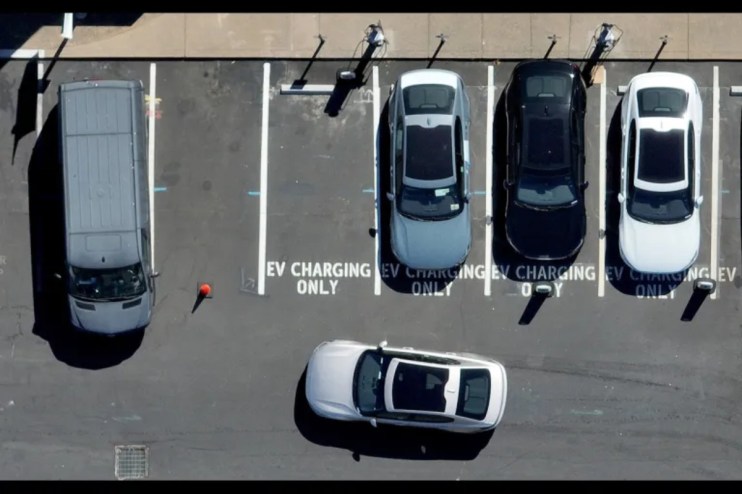
EO Charging has gone into administration, with 69 jobs slashed, in a recent blow to the UK’s EV infrastructure sector as car sales across the continent accelerate.
PwC was appointed administrator to the EV charging firm, which traded as Juuce Limited, on 8 April.
The consultancy said that more than two thirds of the 93 staff have been made redundant, with the remaining 24 kept temporarily to help wind down the firm and transition its customer base to other suppliers.
EO had been a big player in Britain’s fleet charging, supplying infrastructure and software to supermarkets, as well as commercial fleet operators.
But after the firm’s expansion into the US, Italy, Australia and New Zealand, the group pulled back to focus on the UK and its cloud charge-point platform.
It then launched an accelerated M&A process in January that failed to produce a deal.
PwC said the business remained loss-making despite shareholder support and a successful fundraising round in late 2025, leaving administration as the only remaining option.
PwC partner and joint administrator Edward Williams said it was “regrettable” the firm had no alternative but to enter administration and let go of its staff.
He also said administrators were now hoping to help customers move to other suppliers, aiming to wind down the firm in an orderly, proper way and maximise value from its assets.
Consolidation gathers pace
EO’s downfall comes at a time of rapid consolidation in the market, with Be.EV recently agreeing to acquire Mer’s UK public charging network, Connected Kerb buying Trojan Energy out of administration, and Shell-owned Ubitricity acquiring SureCharge.
Members of the industry have long cited rising costs, intensifying competition and funding pressures as the key drivers behind this shakeout.
Meanwhile, demand for EVs is strengthening in Europe, even as infrastructure providers remain under pressure.
Benchmark Mineral Intelligence said global EV sales reached four million in the first quarter of 2026, down three per cent year on year overall.
However, Europe was the standout region, with first quarter sales up 27 per cent, and March volumes rising 37 per cent year on year to a record monthly high of almost 540,000 cars.
Reuters said the rebound was helped by subsidies and higher petrol prices linked to ongoing disruption in the Middle East.