Employers yearn for growth as jobs market stages ‘fragile recovery’

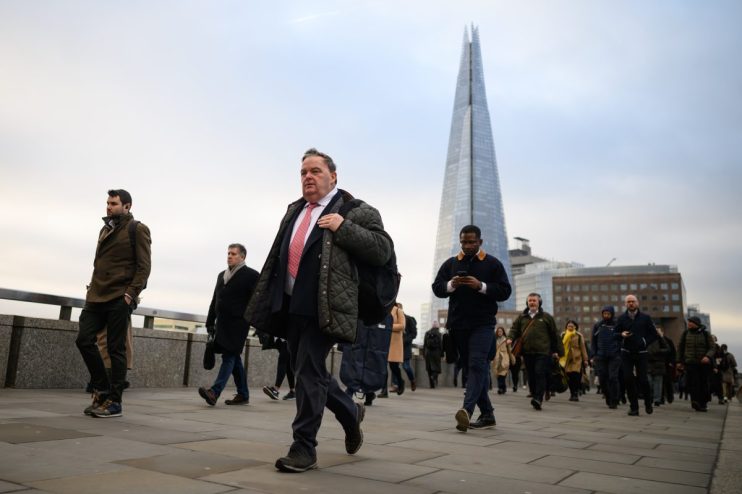
The UK jobs market is beginning to “flicker back to life,” a new report has said, after permanent and temporary placings inched up in the last month.
The latest jobs report from KPMG and recruiter REC showed permanent hiring grew for the second consecutive month to a four-year high of 50.9. Meanwhile, temporary billings also grew to 50.9, albeit at the slowest pace in five months. Any index reading above the neutral 50.0 mark signals it is growing.
Overall demand for workers fell in September, but the rate of the contraction was the weakest recorded since August 2024. But permanent private-sector vacancies managed to increase for the first time in over two years.
“For the second month in a row we are seeing the jobs market starting to flicker back to life,” Jon Holt, group chief executive and UK senior partner KPMG, said.
Though Holt added it “remains a fragile recovery.”
“The growing uncertainty around energy prices and higher borrowing costs also means there are still headwinds in the wider economy,” he said.
“Businesses will be looking to the Budget later this month for greater certainty in tax policy and a sense that the Government is willing to create the right conditions to turn this emerging confidence into investment and ultimately jobs.”
More Brits looking for jobs
The pool of available workers across the UK deepened as the staff availability index dropped to 57.2 from 60.6. The North of England saw the highest surge in both permanent and temporary candidate availability, whereas London recorded the softest growth in permanent applicants.
“The geopolitical backdrop remains challenging for government and business alike,” Maxine Bligh, interim chief at REC, said.
“But the Chancellor cannot seize this moment with talk of stability alone. Employers want to hear not just how we deliver stability, but how we go for growth.”
John Healey will deliver his inaugural Budget on 28 October. Economists have forecast that Healey’s fiscal headroom – which stood at £23.6bn in March – could have halved as a result of the Iran war, meaning spending cuts or tax hikes would be needed to meet the fiscal rules.
This also comes alongside a series of hefty spending commitments from Prime Minister Andy Burnham from nationalisation, to capping bus fares and removing VAT from energy bills.
In an interview earlier this year, Andy Burnham pledged to help tackle the “cost of business” despite fears that the private sector could be hit with another punishing tax raid.