Charging for museums will erode Britain’s soft power

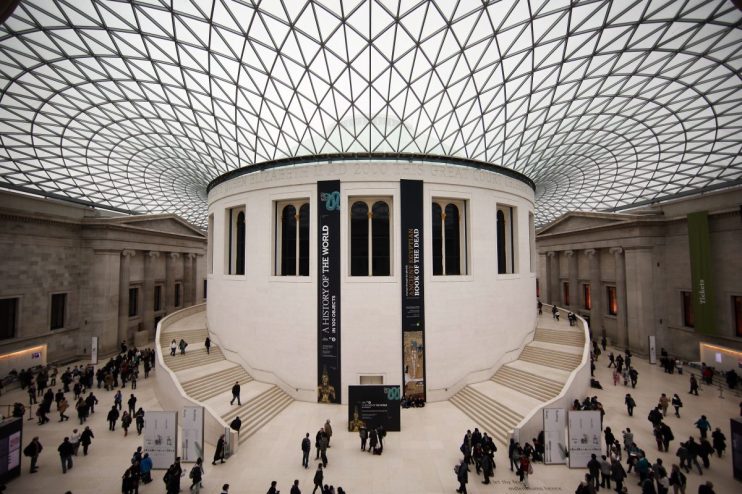
Ending free museum access would see some of Britain’s most coveted institutions fade to irrelevance, writes Benji Wiedemann
Free museum access is key to Britain’s cultural cache
A few weeks ago, the UK’s universal free entry to national museums came under pressure, as the National Gallery’s financial difficulties brought the prospect of charging visitors back into focus. Now it’s being reported that ministers are also considering charging international tourists to see permanent collections as part of new plans to raise arts funding.
This points to a grim realisation: that the government continues to underestimate museums’ wider value. They are powerful instruments of soft power – but only if they remain relevant.
Free exhibitions are critical in keeping the public engaged with museum culture. With funding shortfalls, it’s getting harder for museums to justify investment in new and innovative projects that are crucial for the success of the sector. Backtracking on free entry isn’t the answer.
If we do, our museums will be forced to rely on their legacy to drive interest. But we can’t assume that people will always be interested in attending the UK’s legacy museums. Those of us who work at and with museums every day know that existing doesn’t guarantee survival in today’s cultural landscape.
Success for any organisation hinges on its cultural relevance. Recent examples such as the Natural History Museum’s Pokémon collaboration show that legacy museums can exist as dynamic entities and appeal to new audiences.
For those museums, being able to source the money to spend on new exhibitions is crucial in keeping them relevant for new demographics. If we start charging, we will stop reaching people who aren’t able to pay, stop cultivating cultural curiosity and stop inspiring the next generation of museum goers.
Understanding the modern audience and their needs remains paramount – and is the key to unlocking the continued relevance that is now the table stakes of survival. But if they can’t freely access these public services, then the cultural sector will have dark days ahead.
V&A East Storehouse is world-class
A visit to the V&A East Storehouse was a reminder of how confidently London sits at the forefront of global culture. It’s world‑class: a working storehouse made radically accessible, where innovative wayfinding and beautifully engineered displays put visitors at the centre of the narrative. And its free entry astonished the New York friend I took – he’s used to $25-plus entry fees. It’s so great to experience how a once‑overlooked and derelict area now draws global attention, creativity and community energy. I can’t wait for the V&A East Museum opening in May.
King’s Cross: Regeneration done right
Speaking of regeneration, the King’s Cross project hitting the 20 years this year feels huge. It used to be so run-down (although I appreciated the club scene at the time); now it’s buzzing, layered, confident. Regeneration can feel like spin, but here you see a place come into its own: culture, education, sport, tech, all feeding off each other. Google choosing London over Berlin or Amsterdam set a spark, but what’s exciting now is the maturity of it all. You know such an ambitious project has worked when it organically draws so many people in.
Quote of the week:
“Where the mind goes, the body will follow”
A perfect mantra for pursuing and cultivating knowledge and values to inspire the next generation.
Dispatch from Life After Death Fest
Last month’s Life After Death Fest at Walthamstow Trades Hall was one of the most exciting events I’ve been to in ages. It’s a DIY black-metal festival in an old working men’s club where nothing makes sense and everything feels brilliant – weird and wonderful and beautifully curated. You’ve got folksy experimental acts alongside Peruvian ritual-inspired black-metal brands. No egos, just pure enthusiasm and warmth. What a wonderful snapshot of a global cultural movement and community on a uniquely London stage.
A recommendation: Veggie heaven in Angel
On a rare date night, my partner and I tend to avoid fancy restaurants, looking for more offbeat places instead. The other week, we went to Indian Veg on Chapel Market in Angel, a decades‑old, help‑yourself vegetarian buffet, with an interior plastered floor‑to‑ceiling with health tips, life advice and tongue-in-cheek mantras, all designed by owner Mohammed Safa as a shrine to vegetarianism.
The food is good; the experience is unforgettable. You’ll sit beside everyone from barefoot mystics to city‑weary professionals, all helping themselves to the buffet under a warm, quietly anarchic glow. It’s such a great leveller, a reminder that we’re all equal – and a perfect example of why I love London, its communities and cultural riches.
Benji Wiedemann is executive creative director and co-founder at Wiedemann Lampe