Case of ‘mad cow disease’ discovered on Somerset farm

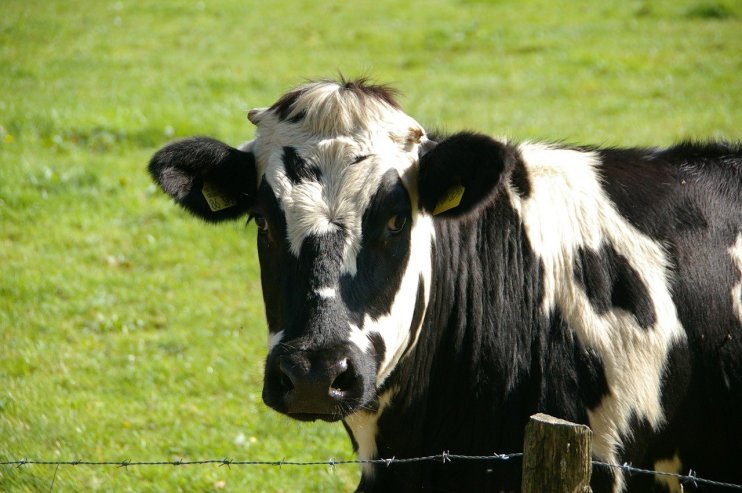
A case of the cattle disease BSE – known as mad cow disease – has been identified on a farm in Somerset.
The Animal and Plant Health Agency (APHA) has launched an investigation into the source of the incident.
There was no risk to food safety or beef exports to other countries, the authority said.
A single classic of classic Bovine Spongiform Encephalopathy (BSE) was confirmed on Friday.
The animal was deceased and had been removed from the farm.
“We recognise this will be a traumatic time for the farmer and we are on hand to offer advice through this difficult period,” chief veterinary officer Christine Middlemiss said.
“The UK’s overall risk status for BSE remains at ‘controlled’ and there is no risk to food safety or public health.”
Movement restrictions have been imposed on the farm until there was a clear understanding of the disease’s origin.
Officials will conduct an investigation of the herd, the premises, potential sources of infection and publish a full report on their findings.
There have been five cases of confirmed BSE in the UK since 2014, all in animals which were not destined for the human food chain.
A Food Standards Agency spokesperson said there were “strict controls in place” to protect the public from the risk of the disease.
These included controls on animal feed, and removal of the parts of cattle most likely to carry BSE infectivity.
A major outbreak of BSE in the 1980s and 1990s led to 177 people dying after contracting the human equivalent variant Creutzfeldt–Jakob disease (vCJD) after eating infected beef.
Multiple countries banned the sale of British beef and more than four million head of cattle were slaughtered as officials attempted to contain the outbreak.