Can cautious Wolfson keep stunning Next shareholders?

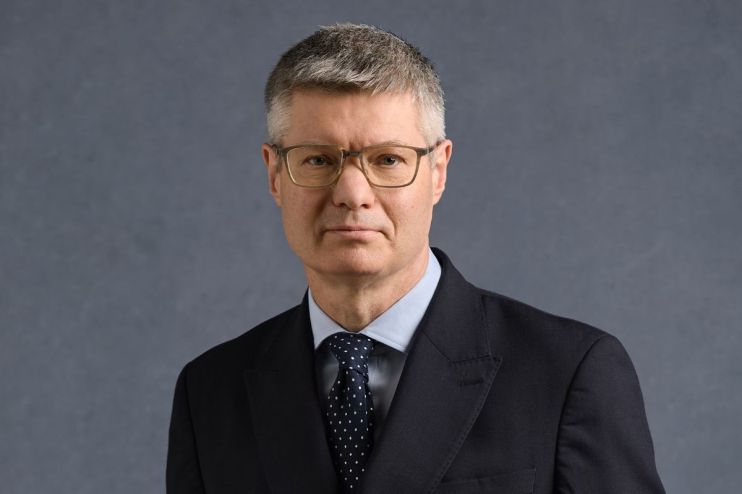
Lord Simon Wolfson has become a shareholder darling over his 25 years in charge of Next. Felix Armstrong asks whether he can keep on surprising them.
Few companies listed on the London Stock Exchange are more bound up with the personality of their chief executives than Next.
Lord Simon Wolfson, the long-time boss of the suits-to-homeware retailer, has carved out a reputation for skilfully managing the expectations of his shareholders while continually surpassing them – a combination that has defined his company and kept its share price on a steady climb in recent years.
“If Next was a weather forecaster, it would tell you to grab an umbrella when the sun was shining,” one analyst quipped when summing up the retail giant’s famously cautious view of the future.
The FTSE 100 retailer is used to flying high but has always been the last to admit it. Lord Wolfson, who has served as its boss for a quarter of a century, has become notorious for his reluctance to count his chickens before they have hatched.
His annual shareholder letters are concise and unerringly lucid. In his 2025 review, he struck a rare buoyant tone when he admitted that the group had enjoyed “exceptional” trading.
But Wolfson quickly tempered the excitement: “A good year in a retail business is gratifying, but also daunting. Ultimately, we are measured against our own performance last year; the better the year, the tougher the ‘competition’.”
At its last market update, Next revealed a 9.2 per cent spike in sales, blowing its previous four per cent forecast out of the water. These extra sales translated to about £70m, and the group begrudgingly boosted its pre-tax profit target by £20m to £1.24bn.
Next’s knack for ‘over-delivering’
Analysts at AJ Bell said Wolfson’s ability to over-promise and under-deliver is a “key skillset” for a leader of a public company, and is often “richly rewarded by the market”. They added that investors will be watching keenly to see if Wolfson moves to temper expectations again when the group announces its first-half results on Thursday.
Last time round, Next put its over-performance down to warmer weather and the release of pent-up consumer demand in the Middle East. These factors may have turned against the sector in recent months, as retailers reported deserted shop floors due to the heat and resurgent energy prices renewed fears around inflation.
In-store retail sales across the sector fell 1.7 per cent in the last six months. But this has benefitted online sellers, who have seen a 7.4 per cent uplift in the same period. Some analysts have pointed to Next’s evolution as an online platform for third-party brands, which could make the most of this trend.
“Expectations will, as ever, be sky high for Next, whose tendency to under-promise and over-deliver has led to an almost guaranteed profit upgrade, while leaving analysts scratching for new superlatives,” said Richard Hunter, Interactive Investor’s head of markets.
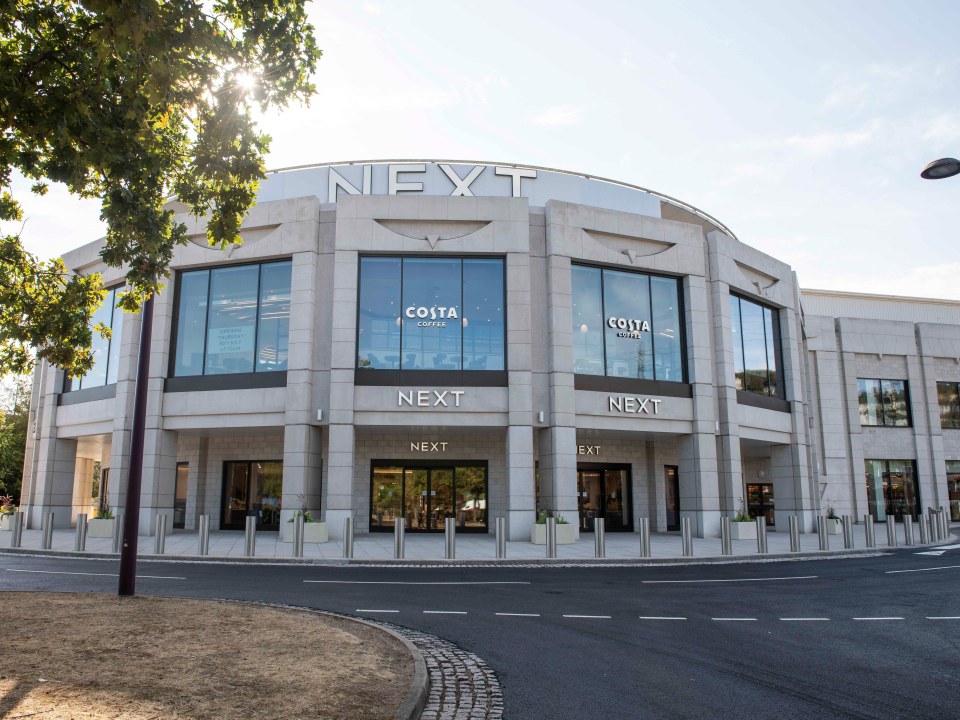
The group’s shares have risen steadily in the last half-decade, aside from a few blips, and are floating around an all-time high at 14,810p.
Hunter said Next is acting calmly to offset any supply chain increases caused by the Iran war. The group, which has six per cent sales exposure to the Middle East, has set aside £47m to absorb the extra costs caused by the conflict and will account for this buffer by making savings and price increases elsewhere.
Wolfson struck a level-headed tone when addressing the conflict in his latest shareholder letter. “At this point, the longer term implications of the conflict are uncertain, and Next is not well placed to make predictions. As yet, we have no feel for the medium-term effects on supply chain resilience, freight rates, factory gate prices and consumer demand.”
More than seven months on from the outbreak of the Iran war, Next shareholders will expect more detail on how the conflict is affecting its supply chains, and whether it will have to yank up prices ahead of crucial pre-Christmas trading.
How long can Wolfson stay?
Investors will also be waiting to hear whether Wolfson’s takeover spree will continue. Next has snapped up several smaller mid-market retailers lately – like Joules, FatFace and Russell and Bromley – and will scoop up more if the right opportunity arises.
“The engine of Next’s growth these days is increasingly its platform and acquisition of struggling brands,” said independent retail analyst Richard Hyman.
Though these brands often “take some time to bed in,” they often pick up eventually, Hyman said. Wolfson has said that Next picks its targets carefully, choosing third-party brands which “serve a different part of our existing customers’ wardrobes and attract a customer who might not normally shop with Next”.
Lord Wolfson, the son of former Next chairman David Wolfson, is the FTSE 100’s longest-serving chief executive and his history at the retailer extends far beyond this. His 25 years at the helm was preceded by years of middle-management experience, and this was preceded by a year as a sales assistant when Wolfson was fresh out of university.
The retail boss will turn 60 next year and investors will inevitably start asking questions about his succession. Next’s reputation as a business has become bound up with Wolfson’s own image as a calm, canny leader.
Wolfson has so far refused to be drawn on succession plans, giving a typically restrained response: “I think it’s really unhelpful for companies to discuss these things in public.” Eventually, though, shareholders will want to know: what’s next?