Can an e-bike subscription win over London commuters from Lime and Forest?

London’s dockless bike market has become increasingly competitive, but for regular riders the main difference between operators is often cost, rather than convenience.
Lime and Forest dominate much of the capital’s dockless cycling network and both have become embedded in the daily commute, particularly across central London where short journeys are often quicker by bike than by Tube. But regular use changes affordability quite considerably.
Lime charges around £1 to unlock a bike and between 23p and 29p per minute thereafter, unless they use a LimePrime minute bundle. For a commuter travelling 20 minutes each way, five days a week, that works out at roughly £242 per month.
Forest operates on a cheaper model, also charging £1 to unlock the bike, 30 free minutes per day and a 19p-per-minute charge after that. The same commuting pattern comes to around £84 monthly once the free minutes are exhausted.
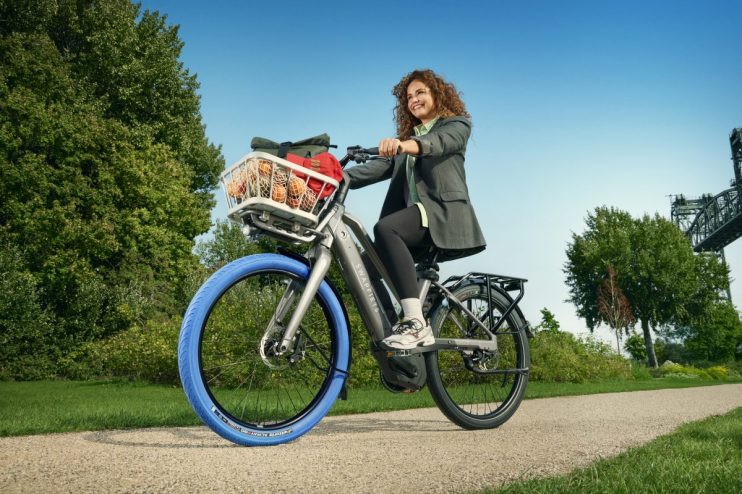
Swapfiets, the Dutch subscription-bike company charges £89.90 per month its new Power Plus e-biklee, including maintenance, repairs and basic theft cover. Riders on rolling contracts also pay a £29.90 registration fee, while six-month subscriptions remove it altogether.
Founded in Delft in 2014, the operator now has around 4,000 subscribers in London, where it is targeting riders using e-bikes as part of a fixed daily commute rather than occasional journeys.
Its new model uses a single-speed drivetrain, while the riding position is upright and geared towards city traffic. Swapfiets says the battery has a range of up to 120km per charge, with recharge times of around three and a half hours.
In use, the Power Plus is well maintained with responsive brakes, functioning lights, and little visible wear.
It feels, above all, like a bike that had been looked after – something less obvious than it sounds after prolonged use of heavily shared rental fleets.
That is a function of the model itself, unlike dockless fleets, where bikes are used continuously by thousands of riders.
Lime says it now has more than four million unique riders in London and added another 1,100 parking bays across the capital since January 2025, bringing the total to 3,400.
Chief executive Wayne Ting previously told City AM: “We do a quality check of every bike before it goes out, and if there are complaints, those bikes are taken offline immediately.”
The company says 99.99 per cent of rides conclude without incident.
But the growth of rental fleets has nevertheless brought increased scrutiny, with tauma surgeons in London hospitals have reporting rising injuries linked to heavy rental e-bikes.
Orthopaedic consultant Alex Liddle told London Centric that the 35kg weight of some rental bikes was a significant contributing factor.
A different commuting model
Swapfiets avoids some of the operational pressures associated with shared fleets, but the major trade-off is convenience.
Lime and Forest are built around short-term access: riders collect a bike, complete the journey and leave it behind.
Meanwhile, Swapfiets requires users to store, secure and charge the bike themselves, making the model more suited to commuters following a regular route than occasional cyclists making irregular trips across the city.
The company has also faced operational pressures of its own. A report from Amsterdam last year found students waiting up to five weeks for replacement bikes after Swapfiets acknowledged that demand had outpaced repair capacity.
A Zones 1–2 Travelcard now costs £182 per month before additional travel is factored in.
With that in mind, £89.90 for a maintained private e-bike places Swapfiets broadly in line with regular Forest usage and well below the monthly cost of frequent Lime journeys.
At £89.90 for a maintained, insured e-bike, the Swapfiets number sits in a reasonable position against those alternatives – provided the rider has somewhere to store it and a consistent enough routine to justify the commitment.