Amanda Blanc has worked her magic at Aviva

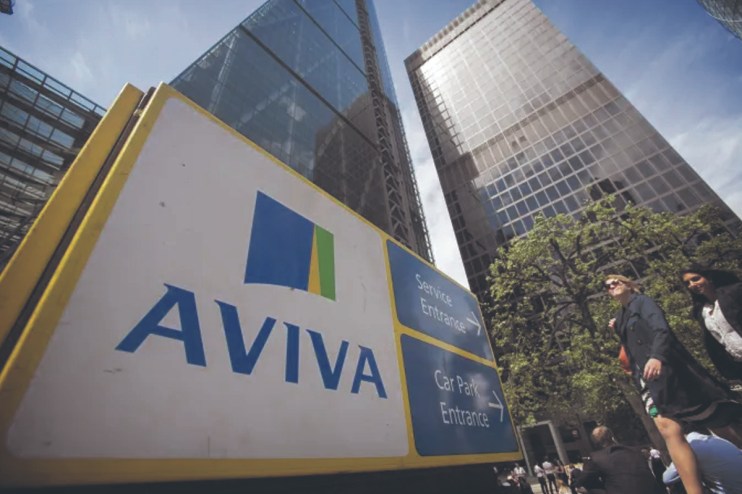
For twenty years Aviva found itself struggling to cement its position in the insurance market. The arrival of Amanda Blanc changed the group’s fortune and share price. Maisie Grice looks into how she executed Aviva’s revival and what could come next.
Few FTSE 100 constituents have executed a turnaround quite like Aviva’s.
The insurance giant failed to carve out an identity upon its formation in 2000 from the merger of Norwich Union and CGU, and found itself battling increased complexity and a faltering share price.
Its string of unsuccessful chief executives over the next twenty years didn’t help either.
Richard Harvey, who oversaw the merger, left in 2007 to do charity work in Africa after creating an established management team and overseeing a string of acquisitions, including roadside assistance firm RAC.
His successor Andrew Moss turned his focus to shedding parts of the business that distracted it from insurance, including the British School of Motoring. But frustration over earnings growth followed by losing a shareholder vote over executive pay saw him leave under a cloud five years later.
Mark Wilson left with his tail between his legs in 2018 after failing to quash investor anger over controversial plans to cancel £450m of preference shares. The group was forced to abandon its plan after shareholder protests. The Financial Conduct Authority also found the firm had breached listing and transparency rules.
Maurice Tulloch quit in July 2020 for health reasons after being with Aviva since 1992, leading the group’s North American and European businesses before taking the top job.
By the time the fourth chief executive walked out the door, Aviva’s share price had tanked 34.9 per cent in twelve months, hovering at 277.6p per share.
The covid pandemic coupled with ongoing frustration with the team at the top had caused shareholders to tap out. Aviva needed a miracle.
Enter Amanda Blanc.
“Amanda Blanc has worked her magic at Aviva. Her strategic decisions have helped to revive growth in the business and sharpen its focus,” said Dan Coatsworth, head of markets at AJ Bell.
“Aviva had fallen foul of the same problems dogging many other simpler companies…Blanc came along and quickly sorted out the mess, focusing on areas with the best growth potential.”
Running to the rescue
Blanc, the former chief executive of French insurer Axa’s UK arm, took the helm of Aviva the same month Tulloch left.
Early on, she faced the same scrutiny and pressure as some of her predecessors. Activist investor Cevian tried to force Blanc to make significant cost cuts in a bid to improve returns.
Blanc took a different approach, opting to sever ties with under-performing European markets that other competitors, such as Prudential, had already exited.
Aviva swiftly left markets, including France, Italy and Poland, raising £8bn from disposing of businesses in Europe. Funds were quickly used for investments and returning capital to long-suffering shareholders.
After shedding its weaker markets, Blanc turned to the UK, Ireland and Canada, where it is among the leaders of general and life insurance, and sought steady growth through acquisitions.
She quickly led the group to acquire Succession Wealth in 2022 for £385m, in order to pull in more pension wealth, before snapping up underwriting group Probitas for £242m in 2024, granting the group access to Lloyd’s of London market for the first time in twenty years.
But it was the £3.7bn acquisition of Direct Line in December 2024 that cemented Blanc’s role as chief executive. The deal gave the FTSE 100 group control of a fifth of the UK motor insurance market.
Coatsworth suggested the deal showed Blanc “isn’t afraid to take risks” by picking up a company that “had briefly lost its way”.
Aviva’s future
Blanc’s decisions are music to the ears of long-suffering investors, as the group has seen a 282 per cent return for shareholders, including dividends. That is more than double the returns of the FTSE 100.
Overall operating profit surged to £1.3bn in its latest results, up from £1bn the prior year, bolstered by the Direct Line acquisition.
General insurance premiums grew 29 per cent to £8.1bn, while its wealth management arm jumped 32 per cent to £7.6bn, driven by a new pension scheme and an uptick in sales on its investment platform.
It boasts 22m UK customers alone, the second largest base of any bank or insurer in the country after Lloyds.
While Blanc has laid the foundation for Aviva’s rise from the ashes, questions are bubbling over what she will do next.
Some Aviva investor funds are continuing to deliver spotty performances.
In February, four of its sixteen funds in its ICVC range were given a red flag rating by Aviva’s board after failing to provide value for investors and pulling down medium-term returns. The group manages a total of 91 funds.
The future of driving has also pulled its motor insurance arm and Direct Line acquisition under a cloud of uncertainty.
Autonomous cars are clawing market share across Europe, sparking fears the need for personal motor insurance could dwindle, as liability shifts from drivers to manufacturers and software developers.
Despite some areas of the group needing to secure their footing, Blanc can move forward knowing she dragged an underperforming company out of the mud and left it in a much better place than those who came before.
Coatsworth said: “There is an argument to suggest that Blanc’s job has been done, she’s fixed Aviva and if she left tomorrow, she would be able to hold her head high.
“While there is no suggestion that she could leave soon, should such an event happen soon then any new chief executive might find they can hit the ground running with new ideas rather than be delayed with tidying-up work.”