E-bike giants back Khan bid to end London ‘Wild West’

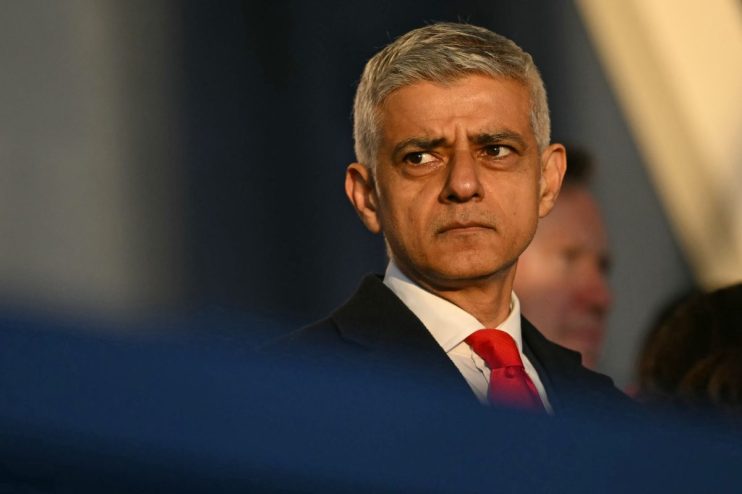
London’s leading e-bike operators have backed Sadiq Khan’s bid to end the capital’s regulatory ‘Wild West’ while piling pressure on the government to get a long-awaited city-wide licensing regime into force.
Lime, Forest and Voi welcomed new plans to replace London’s borough-by-borough wars with a single framework overseen by Transport for London (TfL), after years of disputes over parking, fees, bays and enforcement.
But the new system cannot start until the government brings forward secondary legislation setting out how the licensing regime will work.
The 2026 English Devolution and Community Empowerment Act created the statutory framework, but further regulations are required.
“We support citywide regulation for shared e-bikes, giving riders and boroughs one consistent approach across London instead of a ‘patchwork’ of rules to navigate”, Stef Lehmann, Lime’s regional head of government relations for the UK and Ireland, said.
Christina Moe Gjerde, Voi’s vice president for Northern Europe, said it was “long-past time” London had a city-wide set of rules.
“The government needs to get on and use the new powers by publishing the necessary secondary legislation and ensuring TfL can swiftly move forward with implementation”, she said.
“The ‘Wild West’ approach to dockless e-bikes cannot continue”, the mayor said. “It’s now vital that the Department for Transport moves quickly to bring forward the secondary legislation needed to make these powers a reality. London cannot afford further delays”.
London’s dockless e-bike market is currently largely regulated through agreements between individual boroughs and operators. TfL will become the licensing authority under the new legislation once the remaining government measures are in place.
Operators push for single rulebook
The announcement lands amid growing tensions between e-bike companies and councils over the cost and complexity of operating across the capital.
Forest wrote to the mayor earlier this month warning spiralling council fees and a regulatory “patchwork” risked making the market unsustainable.
Forest claimed some borough charges had risen by as much as 15,100 per cent since 2022. Another operator faced over £80,000 in permit and compliance costs before deploying a bike in the City of London, alongside enforcement fines of around £10,000 a month for each issue area.
London councils have rejected claims boroughs are using operators as a cash cow, arguing fees are needed to fund parking infrastructure and enforcement.
Forest founder and chief executive Agustin Guilisasti said on Tuesday the London-wide framework would bring “greater consistency across boroughs”, after calling for the change for two years.
Voi said London was the “last major city in Europe” to set out a regulatory vision for shared e-bikes and e-scooters, and claimed the current system had contributed to some of Europe’s highest prices.
Cycling trips in London have risen 43 per cent since 2019, while TfL estimates dockless bikes accounted for more than one in 10 cycling journey stages in 2024.
Lime said its UK monthly active users rose 31 per cent between 2024 and 2025.
Growth has also fuelled complaints over bikes blocking pavements, unsafe riding and collisions. City Hall has provided £1.7m to boroughs for micromobility parking this year, with more than 36,000 spaces now available.
Christina Calderato, TfL’s director of transport strategy and policy, said the new powers would replace the current “patchwork, borough-by-borough approach” with a London-wide licensing scheme.
TfL will set out more detailed proposals once the government finalises the rules.