Burnham grid shake-up offers data centres escape from power queue

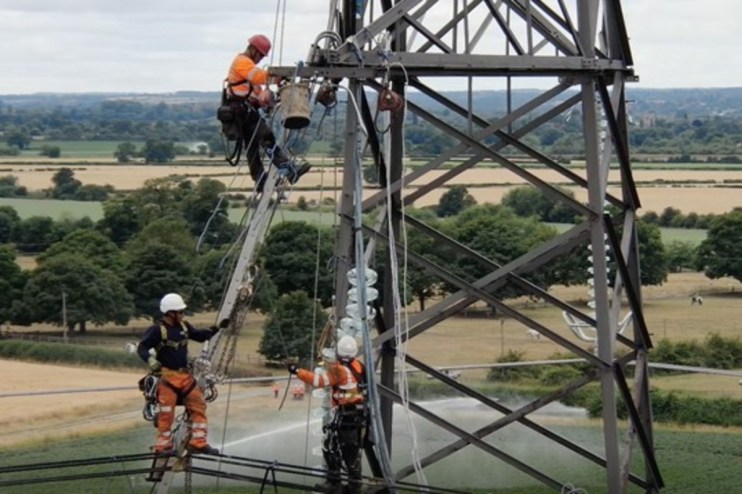
Britain’s data centre developers could be handed a new route around years-long waits for electricity under Andy Burnham’s plan to open up the power grid to competition.
The prime minister unveiled Great British Grid (GB Grid) on Tuesday, a publicly owned arm of Great British Energy that will aim to challenge existing network operators and speed up connections for businesses. Burnham said grid delays were “dragging growth down” and deterring investment.
Under the plans, businesses will be able to build their own connection infrastructure rather than relying solely on existing network companies, while GB Grid will be able to invest alongside them.
The shake-up could prove particularly significant for Britain’s booming data centre industry, where access to electricity has become one of the biggest barriers to new projects.
Andreas Rathmann, director of utilities at data centre operator CyrusOne, said grid delays and rising energy costs were creating risks for further development in Britain.
“More competition in the delivery of power infrastructure will benefit the data centre sector”, he said, adding that GB Grid could allow operators to use utility partnerships to speed up infrastructure delivery.
Britain’s demand connection queue jumped from 41GW in November 2024 to 125GW by June 2025, according to Ofgem. Data centres account for at least 80GW of applications, although the regulator cites around 73GW elsewhere in its consultation documents.
That means proposed data centre connections alone amount to well over Britain’s current peak electricity demand.
The backlog has become a growing headache for ministers seeking to attract billions of pounds of investment from AI and cloud companies, which require vast amounts of reliable power to run their facilities.
Burnham told Labour’s conference that businesses repeatedly complained they could not invest because they could not secure a grid connection.
“You would not believe how many businesses complain to me they can’t get going because they can’t get connected to the grid”, he said. “It pushes costs up. It drags growth down. And it holds Britain back”.
GB Grid will be the first publicly owned company investing in Britain’s electricity networks since privatisation and will sit within Great British Energy.
“A publicly-owned company that will challenge the private sector operators”, Burnham said. “It will increase competition, drive down costs and speed up connections so businesses can expand and grow more quickly”.
AI pressure piles on grid
Ofgem proposed a new commitment fee in July for large data centres seeking grid access, alongside tougher milestones requiring developers to prove their projects are progressing.
The regulator said the surge in applications was being driven “largely” by data centres and warned that non-viable projects could hold up developments that were ready to go ahead.
“Consumers should not bear the risks created by speculative projects”, Ofgem director Eleanor Warburton said when the proposals were launched.
The regulator’s consultation has now closed, with a decision pending.
Grid access has emerged as a major constraint on Britain’s attempts to expand its AI infrastructure, with the biggest developments requiring hundreds of megawatts of electricity.
The government has sought to accelerate data centre construction through its AI Growth Zones, which are designed to bring together access to land and large amounts of power.
But connections remain difficult even as Amazon, Microsoft, Google and other technology groups pour billions into expanding UK computing infrastructure.
GB Grid could give developers another option by opening more infrastructure work to competition and allowing businesses to build connections themselves.
The government has yet to publish detailed rules governing how GB Grid will operate alongside existing network companies, the National Energy System Operator and Ofgem. It is also not yet clear how self-built data centre connections would interact with Ofgem’s proposed commitment fee.
But Rathmann said the industry needed greater certainty over whether power would be available when projects were ready to launch.
“Grid connection delays and rising energy costs are creating risks for further data centre development in the UK”, he said.