The BMW i7 costs £1,449 a month. Is it worth it?

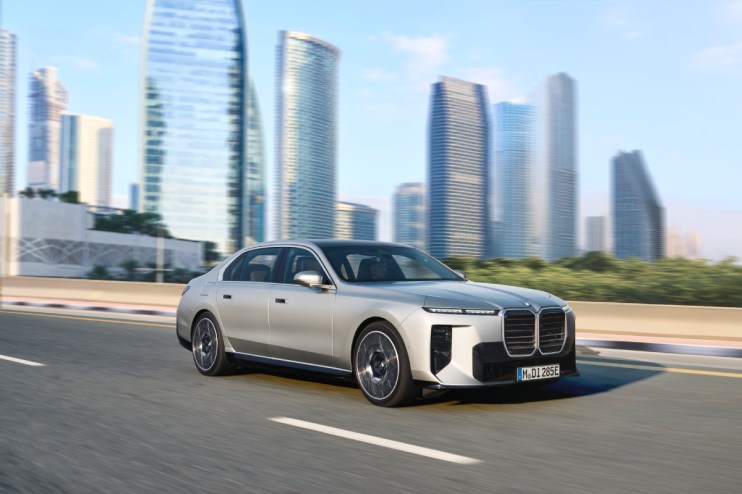
BMW’s i7 is a luxury electric limousine costing £1,449 a month on current finance. But does the car justify that kind of monthly commitment?
BMW i7 finance, how much does it cost?
£1,449 a month is a lot of money to spend on a car, even if that car is a BMW i7. Yet that’s currently the monthly payment BMW is advertising for the i7 50 xDrive M Sport Pro, with 3.9% APR and a customer deposit of £6,002.94.
That headline figure is probably going to attract more attention than the car itself, but the interesting question is whether the i7 can actually justify the money. Large luxury saloons have always been expensive, and the electric version has to offer something more than a very large battery and a quiet cabin to make sense at this level.
What is the BMW i7 like?
We’ve driven the i7, and BMW’s strongest argument is that it hasn’t tried to make this car feel like a compromise. It’s still a large executive limousine designed around comfort, space and technology, only without the need for a conventional engine.
On the road, that comes through immediately. Despite its size and considerable weight, the balance and agility through twisting bends is outstanding, and the suspension is effective enough that it makes Britain’s pockmarked roads feel smoothed over. It’s exactly the kind of car a high-end executive could work from the back seat of on a long journey without the drive intruding on the call.
The interior is where the price really earns its keep. The cabin feels closer to an aircraft cockpit than a normal saloon, wooden inlays, leather or vegan upholstery and crystal glass controls all add up to a proper sense of occasion. A curved display stretching two-thirds of the dashboard runs BMW’s latest iDrive system, sharp and quick to respond whether you’re using touch, the rotary controller or voice control. Rear passengers get their own climate control, reclining and heated seats and individual entertainment screens, and the headrests on our test car were soft enough we were half tempted to take them home.
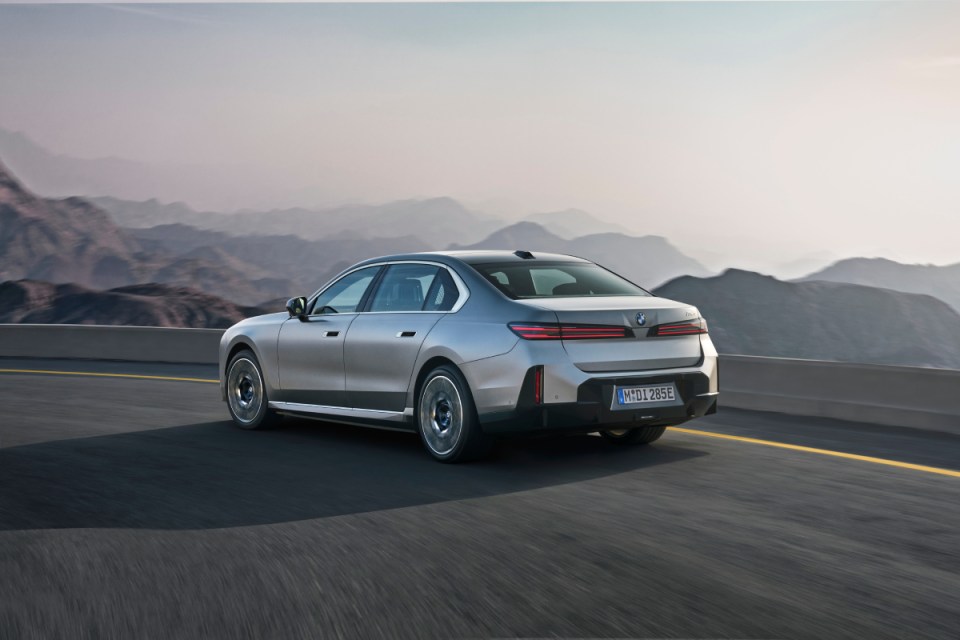
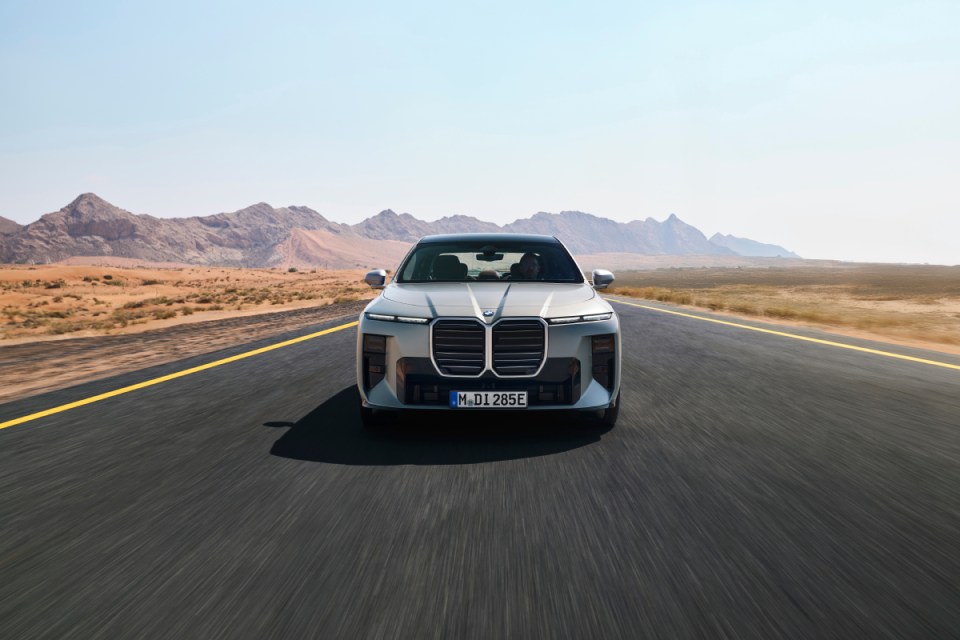
It isn’t flawless. The boot is a modest 500 litres, smaller than the Mercedes EQS and without a proper tailgate, the one real practicality compromise in an otherwise fully-loaded package. The exterior’s oversized kidney grille has divided opinion since launch too, whatever you make of it, it certainly gives the car presence, but it’s worth seeing in person before you commit to four years of it on your driveway.
For buyers who regularly spend hours travelling between meetings, airports or cities, the ability to make that journey in near silence is more relevant than a headline 0-62mph figure. The i7 is designed to make that kind of journey feel less tiring, which is exactly what a luxury saloon should be doing.
BMW i7 vs BMW i5
The problem is that £1,449 a month also puts the i7 into a part of the market where buyers have plenty of alternatives. BMW itself offers the smaller i5 for considerably less, while Mercedes and Audi have their own electric executive cars, and the Porsche Taycan offers a very different interpretation of an expensive electric saloon.
The i7 therefore has to justify its size and luxury on its own terms, not just as an EV. If most of your driving is around town and you rarely carry passengers in the back, the smaller i5 starts to look like the more sensible BMW.
Is the BMW i7 worth £1,449 a month?
There’s also the small matter of the total cost. UK list prices for the i7 range start from just over £104,230 and stretch past £164,000 for the M70, so the finance offer is really just one way of spreading a six-figure car over time rather than a discount on it. The offer we’re looking at runs over 48 monthly payments, with an optional final payment of more than £42,000, so the monthly number on its own doesn’t tell you what the car will ultimately cost.
If you were already going to spend six figures on a luxury saloon, a Mercedes S-Class, an Audi A8 or a Porsche Panamera among the obvious alternatives, the i7’s price stops looking like an outlier and starts looking like the going rate for the class. Within that context, it gives you the traditional BMW luxury-saloon experience while removing one of the biggest sources of noise and vibration, and it does so without making electric power feel like a novelty.
For everyone else, the real question isn’t whether the i7 is good, it clearly is. It’s whether you actually need this much car, or whether a smaller electric BMW would give you most of what you want for considerably less. I’d want a very clear answer to that before signing up to £1,449 a month for four years.