Volkswagen Golf R: RIP to the ultimate hot hatch?

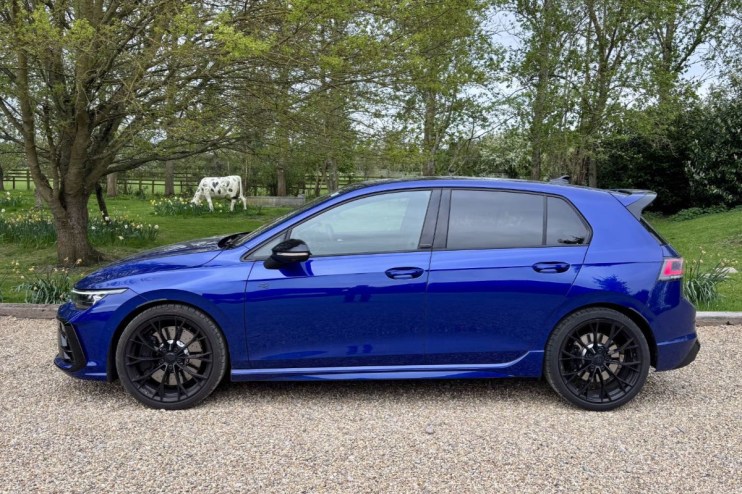
A decade ago, when its Mk7 predecessor roamed the roads, the Volkswagen Golf R faced a plethora of hot hatchback rivals. These included the Ford Focus ST and RS, Honda Civic Type R, Peugeot 308 GTI, Hyundai i30 N and Renaultsport Megane. All have since been quietly euthanised and not replaced. The venerable Audi RS3 is living on borrowed time, too.
Today, the Golf R’s most obvious competitors are the BMW M135i, Mercedes-AMG A35 and the enemy within: its own Golf GTI sibling. Otherwise, Volkswagen’s hardcore hatch exists almost in a class of its own.
What is going on? Well, we can lay partial blame on the shift towards SUVs, with vehicles like the Cupra Formentor and Porsche Macan offering comparable performance in fashionably chunkier packaging. There’s also a growing number of electric alternatives, from the Alpine A290 to the Hyundai Ioniq 5 N.
Above all, however, traditional hot hatchbacks have become victims of legislation, such as tightening emissions targets and unrealistic EV sales quotas, which conspire to make these cars increasingly unprofitable and unviable. So, should you seize the moment and buy a Golf R while you still can? That’s what I am aiming to find out.
Tangled up in blue
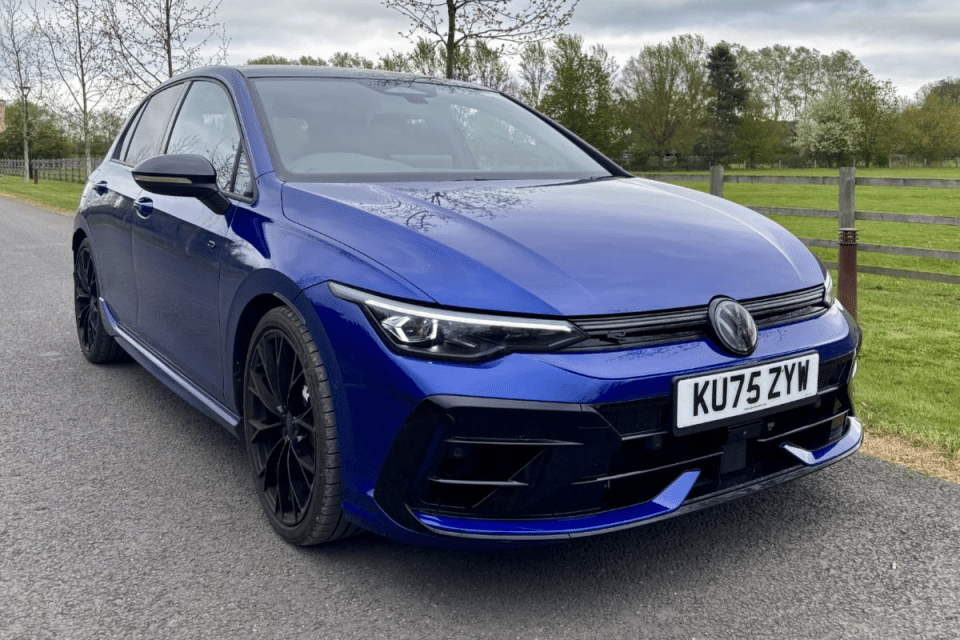
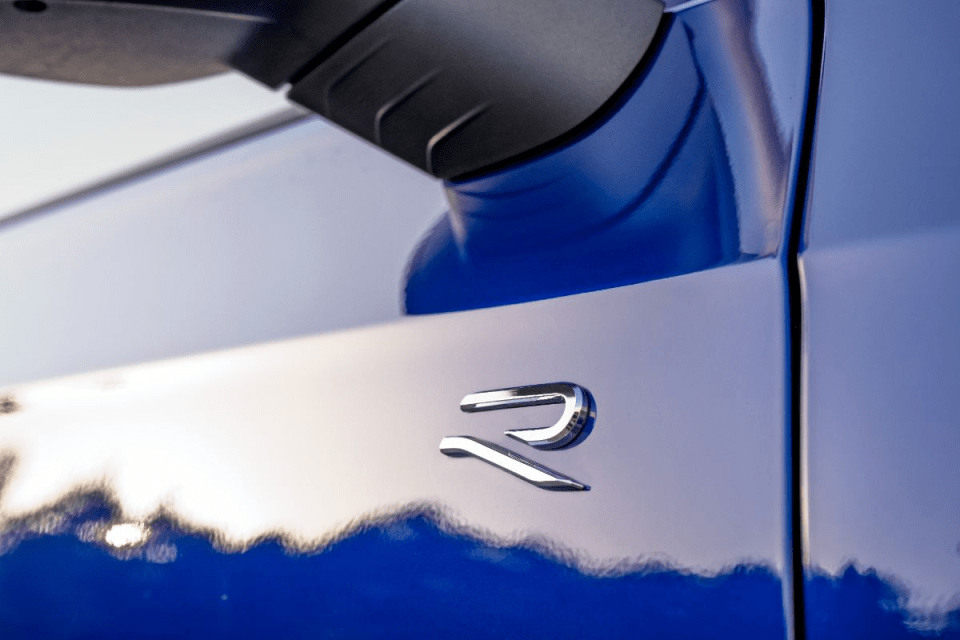
In my first long-term report, I introduced KU75 ZYW and gave a potted history of R-badged Golfs, from the original Mk4 R32 of 2003 to the Mk8.5 R tested here. Next time, I will talk about what the car is like to live with, including such worthy matters as fuel economy and luggage space. This article, however, is all about how the Golf R drives.
Now, any car is only fun to drive when you actually drive it. That sounds like a statement of the bleedin’ obvious – and indeed it is – but many of the machines that motoring hacks gush about are rarefied, compromised, impractical or expensive. Frequently all of the above. A Golf R might not scale the emotional heights of a dedicated sports car, but the ability to use it year-round, for every conceivable journey and job, all while said sports car is tucked away in a garage, means the sum total of your driving enjoyment might actually be more.
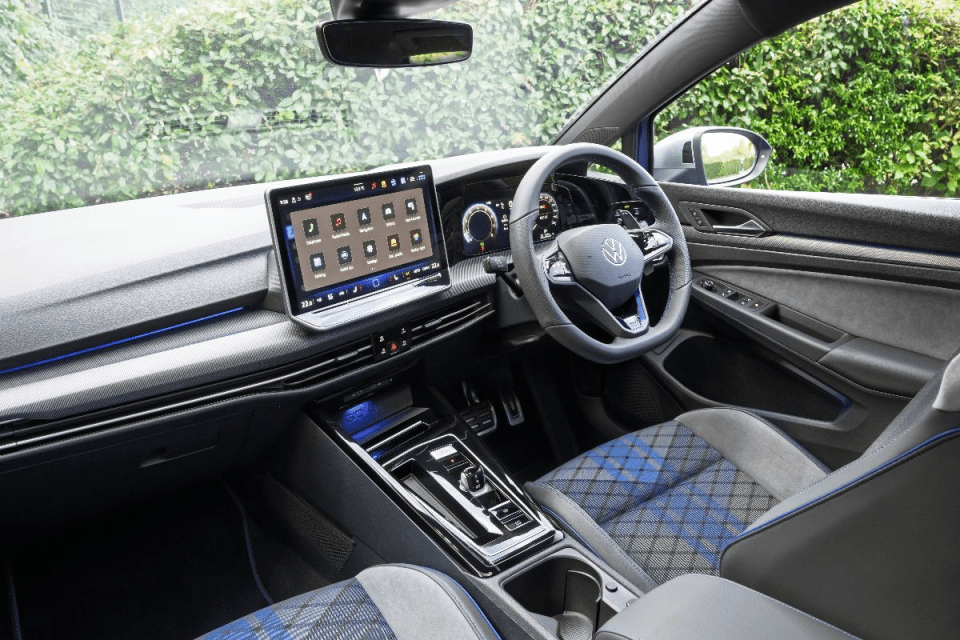
I accept that’s an odd way of looking at things, as if driving fun can somehow be quantified and totted up over time. Yet the longer I spend with the Golf R, the more I appreciate its sheer usability. Most of the time, it just fits calmly and inoffensively into daily life. But that little blue ‘R’ button is always there, glowing beneath your left thumb on the steering wheel spoke, waiting for the moment when you can bring this simmering hot hatchback to the boil.
Volkswagen Golf: A complex character
In my own 2006 Golf GTI, there are no drive modes. Its one-size-fits-all drivetrain and chassis setup is sharp enough to be worthy of the badge, yet soft enough that your passengers won’t threaten a mutiny.
The Golf GTI has generally walked this line well – and so does the latest Golf R. The key differences versus my (t)rusty manual Mk5 are a DSG twin-clutch automatic gearbox, four-wheel-drive traction and a multitude of driving modes. The latter can transform the car’s character in an instant, giving it an even wider breadth of ability.
Before we delve into the drive modes, it’s important to mention the options fitted to this particular car. Firstly, it has the ‘DCC’ adaptive dampers (£755), which seem like an absolute necessity on Britain’s crumbling and very variable roads. Plus it’s fitted with the R Performance Pack (£2,010, or standard if you pay £1,320 extra for the Black Edition seen here), which unlocks two additional drive modes: Drift and Special.
Engage Special mode
The Golf R defaults to Comfort mode on start-up, blending a measured throttle response with relaxed automatic shifts and a relatively supple ride. Unless you live in the Scottish Highlands or a wilder part of Wales, this will probably be where you spend most of your time. My partner, who is absolutely not a car person, flatly refused to use anything other than Comfort, declaring the car “very smooth and easy to drive”. She’d likely be just as happy with a common-or-garden Golf 1.5 TSI, but the ‘R’ plays the role of an all-purpose family holdall equally well. It speaks softly while carrying a 333hp stick.
Switching into the Sport or Race settings brings some welcome extra weight to the steering and urgency to the transmission, which holds onto gears for longer before shifting up. Unless you’re ‘making progress’ on rural roads, though, ride quality is rather brittle, the 19-inch alloys thumping through potholes and occasionally sending shudders through the car’s structure.
That’s where Special mode comes in – and why the Performance Pack is a worthwhile upgrade. It was tuned specifically for Germany’s infamous Nürburgring Nordschleife circuit, yet is also the best fit for a British B-road, turning everything up to maximum attack except the DCC dampers. In Special mode, the Golf seems to breathe with the road, feeling fluent rather than overly aggressive.
As for Drift mode, I tried it on a quiet roundabout late at night and have little inclination to try it again. It works by sending power to the outside rear wheel to initiate a slide, but the sensation is oddly artificial and it will soon shred your tyres. When the factory-fit new Bridgestones cost £156 a pop, there are more affordable ways to have fun.
Volkswagen Golf: Point-and-shoot performance
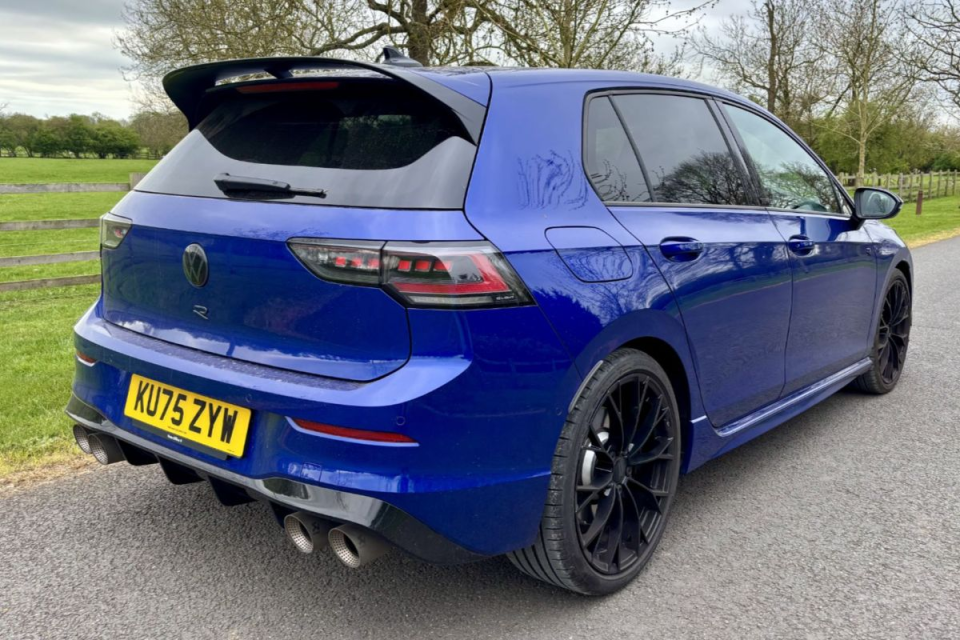
And the Golf R is fun. Its familiar four-cylinder ‘EA888’ engine feels eager and brimful of turbocharged torque, with the full 310lb ft delivered from just 2,100rpm. The DSG dual-clutch gearbox is also a willing accomplice. With rapid-fire shifts that don’t pause for breath, it only heightens the sense of speed.
If all that sounds a bit much, like a spicy curry that you regret after a few mouthfuls, the VW’s calm steering and planted chassis are the cooling yoghurt to take the edge off. Few cars at any price give you such confidence when driving quickly. Indeed, from A to B on challenging roads, I’d wager most drivers could go faster in a Golf R than any six-figure supercar.
The problem, some will say, is the Golf makes it too easy. You simply point and shoot, rather than regularly having to adjust your aim. I like cars that keep you busy, so I have some sympathy with this, but the Golf R is a very particular type of performance car – and owners love it for that.
Pump up the volume
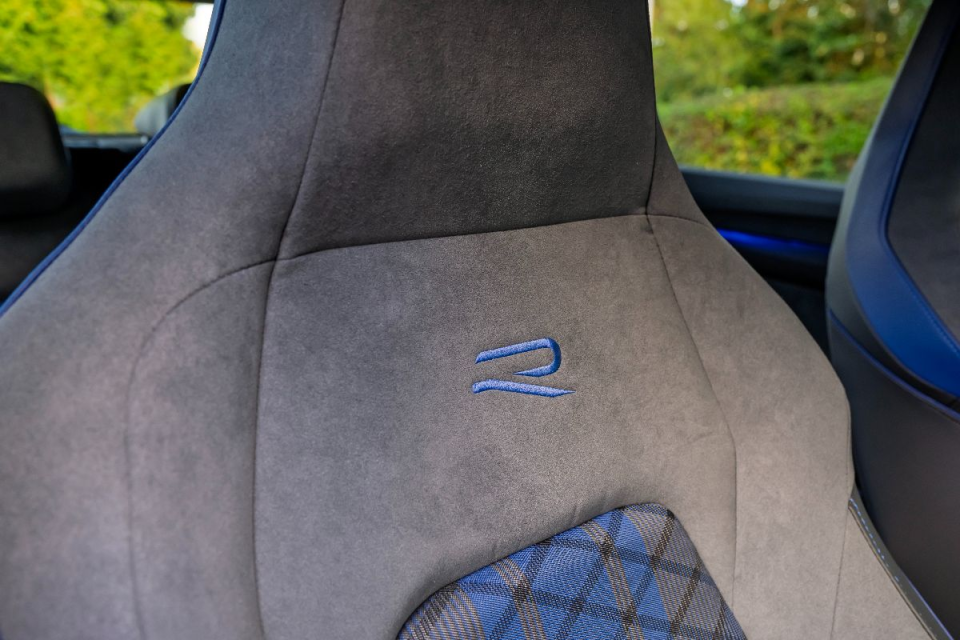
Gripes? My biggest disappointment has been the Akrapovic titanium exhaust. I got childishly excited when I saw it on the spec sheet, and its perforated pipes look seriously cool (usually to the person you’ve just overtaken).
However, its snarl is disappointingly muted, with very little of the snap, crackle and pop you’d expect for a whopping £3,480. I’m told the engine’s petrol particulate filters are largely to blame. Yep, it’s those darn EU legislators again.
Soundtrack aside, the oft-criticised haptic controls on the steering wheel are still fiddly to use. And the gearshift paddles are small and plasticky. In terms of the driving experience, though, that’s about it.
Countdown for the Volkswagen Golf R
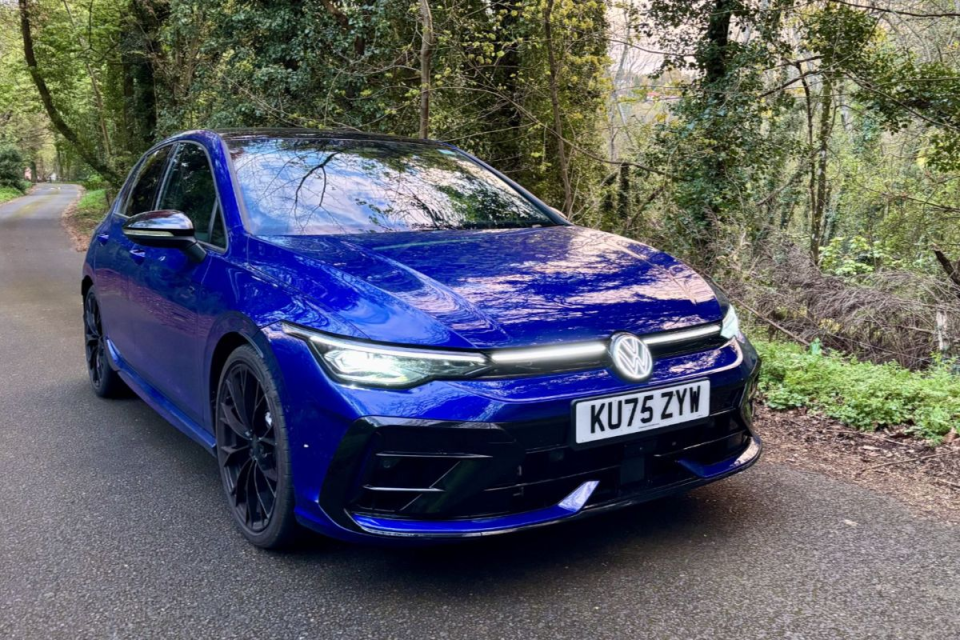
I’m more than half-way through my time with the ‘R’ already and, aptly enough, it seems to be racing by. When the Mk8 Golf is phased out, will it too join the ranks of those dearly departed hot hatchbacks as a vehicle out of step with the times?
I hope not, but nor would I bet against it. Born in the late 1970s, I have lived through every era of the hot hatchback and, away from work, these cars have formed the biggest part of my motoring life. Long may that continue.
Come back to City A.M. soon for my final report on what the Golf R is like to live with, and an overall view on the experience of running one.
• Tim Pitt writes for Motoring Research