Reeves delivers Spring Statement as war rages and markets tremble

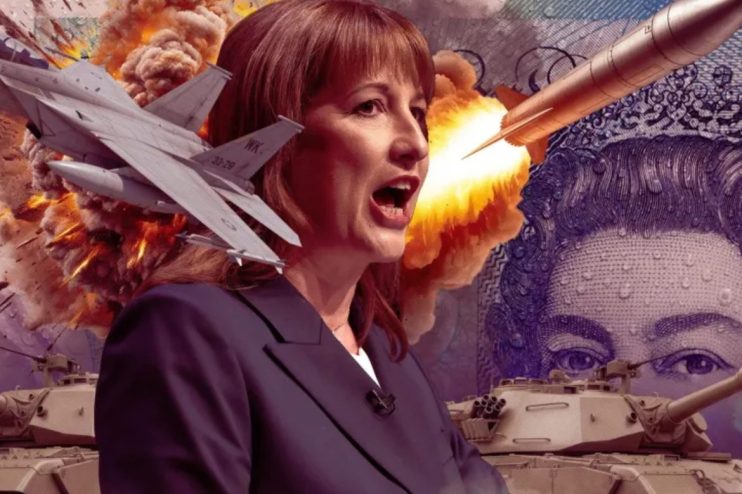
Spare a thought for Rachel Reeves. She had hoped to make a Spring Statement that nobody noticed and yet today she has to deliver it as war rages in the Middle East, triggering warnings of energy price shocks, instability and inflation.
There is a very real prospect that the economic forecasts to which the Chancellor will today respond will be upended by the fallout of what Donald Trump last night described as “one of the largest, most complex, most overwhelming military offensives the world has ever seen.”
Of most immediate concern to the Chancellor will be the prospect of inflation climbing higher, driven by the impact on the energy sector of a sustained conflict. Gas prices surged yesterday after Qatar announced a pause in production following an Iranian strike on its critical Ras Laffan complex while the Straits of Hormuz – on which oil and liquified natural gas exports rely – was effectively closed.
Inflation could be major headache for Reeves
If Monday’s price spike is sustained over the months ahead then household energy bills in the UK could hit levels not seen since the early days of Russia’s invasion of Ukraine. It’s a little late in the day to point out the absurdity of effectively abandoning our own North Sea oil and gas reserves, but it’s an important point and we should expect energy security to rise up the agenda in the weeks ahead.
Elevated fuel prices and disrupted shipping and trade could also interrupt inflation’s downward slide, depriving Reeves of one of the few positive talking points she’s enjoyed in recent months.
As for the Prime Minister, who updated the Commons yesterday on his evolving position regarding America’s military campaign, he has reduced the UK to the status of a bystander – not by refusing to join the fight, but by seeking a legal opinion before even telling us what he thinks about it.
This was in contrast to the left-wing leaders of Canada and Australia, both of whom gave a full-throated endorsement of the American and Israeli actions over the weekend. Armed now with a full legal opinion based on his interpretation of international law (an interpretation which is hotly disputed) the UK is participating in some defensive action in response to what the PM calls Iran’s “reckless” retaliation.
Starmer is trying hard to craft a political position that will satisfy his MPs and Labour’s support base. Today the Chancellor will have to begin crafting an economic response that satisfies the country, and the markets.