Inflation drops as Labour subsidies delay price surge

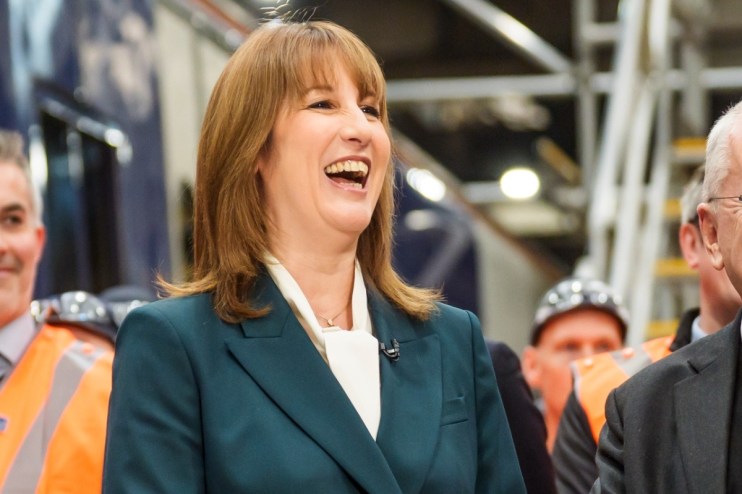
Inflation dropped slightly compared to the result in the month before as Chancellor Rachel Reeves’ Budget policies stalled an expected surge in price growth.
The Office for National Statistics revealed that the consumer price index (CPI) reading was 2.8 per cent, lower than expected by City forecasters.
The data for price growth in the year to April compared to a previous inflation reading of 3.3 per cent in the year to March.
Both of the last two readings have been higher than originally hoped as a result of the Iran war, where disruption across the Strait of Hormuz has caused an energy price shock and risked essential supply shortages.
Core inflation, which excludes volatile items such as food and energy, was 2.5 per cent.
The services inflation rate was 3.2 per cent, which could relax some Bank of England policymakers as the reading is seen as being key to understanding price pressures.
Yael Selfin, chief economist at KPMG, said she expected prices to rise as “food costs feed through”, with the ONS reporting a 7.7 per cent rise in prices for raw materials over the year.
“Firms are likely to seek to protect margins by passing on some of these higher costs to consumers,” Selfin said.
“However, weak domestic demand is likely to limit firms’ ability to pass on higher input costs in full, reducing the risk of a broader pickup in inflation.”
Economists believe inflation will “hover” around the three per cent mark until July.
Inflation respite for Reeves
The latest set of data may provide Reeves with some vindication that her Budget policies have helped to temper price growth.
Responding to the data, she said: “The war in Iran is not our war but one we will need to respond to, and the decisions I took in the Budget last year have kept inflation down as we deal with global instability.
“We have the right economic plan, and to change course now would risk our economic stability and leave working people worse off.”
The main policy involved stripping the renewable obligation subsidy from household energy bills and moving them onto general taxation, leading to a £117 decrease on Ofgem’s energy price cap for April.
Reeves also funded a freeze in train fares and prescription bills in a quest to battle the cost of living.
But inflation is expected to worsen again in the coming months, with the Bank of England warning that the CPI print could exceed six per cent within months in the worst case scenario where the US and Iran fail to re-open the Strait in peace negotiations.
Economists fear that second-round factors – where strong wage growth and higher price rises fuel a spiralling effect – could lead to a surge in inflation after the economic occurrence was overlooked after Russia’s full-scale invasion of Ukraine.
Traders and leading economists also believe that the UK is particularly exposed to the energy price shock given it is a net importer of oil and gas.
The latest set of data could provide Reeves and other Labour ministers with some temporary respite from ongoing political battles within the party.
The Chancellor is expected to announce an energy support package in full, which is set to include binning a plan to hike fuel duty in September.
On Tuesday night, it was reported that Reeves was looking to strike a deal with supermarkets where essential food item prices are capped in exchange for regulations on packaging and health being suspended.
The idea has drawn criticism from top City economists while a retail chief has warned that it could damage businesses.
Shadow chancellor Sir Mel Stride said: “Any fall in inflation is welcome, but prices are still rising far too fast and Labour have left our economy weak and exposed to the impacts of the Iran war.
“The recent spike in borrowing costs shows markets are increasingly worried about Labour’s leadership chaos and economic mismanagement, leaving families to pick up the bill for a £300 Burnham Penalty.