Angela Rayner pushes for new tourist tax to fix black hole

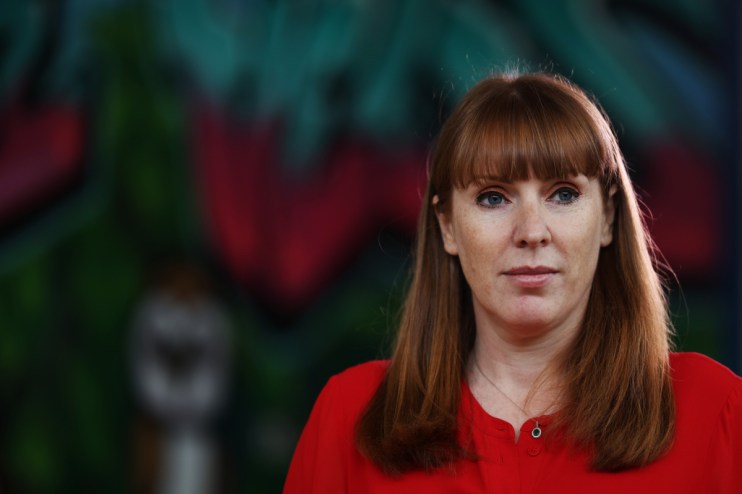
Deputy prime minister Angela Rayner is pushing Chancellor Rachel Reeves to give more power to councils to tax tourists amid worries that local governments are struggling to keep finances in check.
Rayner has suggested that councils should be able to tax tourist hotel stays and take advantage of a rise in visitors, rather than taxing locals, according to The Telegraph.
Rachel Reeves is reportedly opposed to Rayner’s request, given the pressures on the hospitality sector and concerns raised by tourism business leaders about higher taxes coming into effect.
A levy on hotel stays would be an additional tax on visitors, in addition to the removal of VAT-free shopping, often referred to as a “tourist tax”.
The Association of International Retail is the latest industry group to call on ministers to reinstate tax-free shopping for visitors to boost the UK’s economic potential and reverse job cuts across the hospitality sector.
Labour tax raid
UKHospitality has complained that last year’s £20bn tax raid on employers at the Autumn Budget led to 69,000 job losses, with restaurants and hotels struggling to cover extra costs brought in by lowering the salary threshold from £9,100 to £5,000.
Rayner’s support for councils to take on more powers over tax and spending brings her in line with influential mayors, including Sadiq Khan, who has said he would be interested in exploring a tourist tax for hotel stays.
Some councils in northern cities have introduced a levy on hotel stays, with the City Visitor Charge for some stays in Manchester raising around £2.8m after the first year.
Former Labour minister and Manchester Mayor Andy Burnham has also called for a “proper levy” to apply to all visitors across Manchester.
Levies already exist in several European cities, including Venice, Barcelona and Paris.
Tourist tax latest in Rayner’s demands
Council tax is already expected to rise by five per cent at most local authorities, covering a rise in funding for police and social services.
Rayner’s latest demands follow reports that she called for tax rises at the Spring Statement, including removing inheritance tax relief for AIM shares, reinstating the pensions lifetime allowance and raising the bank surcharge to five per cent.
The controversial memo, leaked to the Telegraph, appeared to put her at odds with Reeves, who has made delivering higher growth a central government mission.
Some of her suggestions may prove useful to Reeves, however, as the Treasury looks set to raise as much as £30bn in taxes later this year.