Hiring Rishi Sunak is an ingenious move from Goldman Sachs

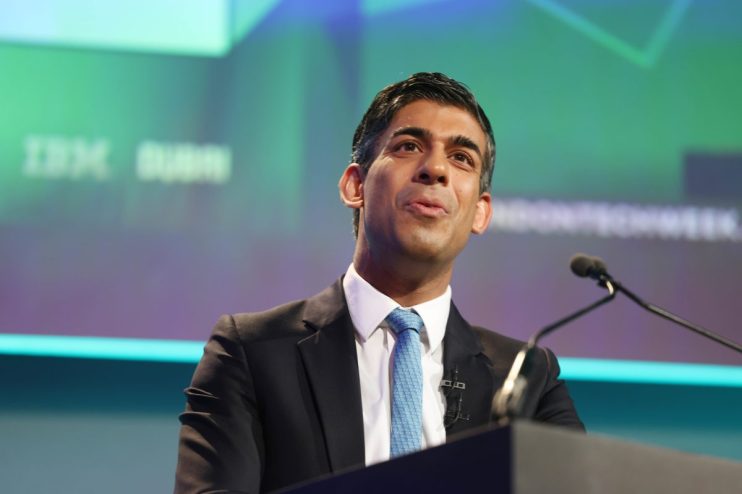
Rishi Sunak’s Westminster to Wall St move is not a case of “jobs for the boys”, it’s a calculated, strategic hire by a firm that understands the real value of political experience in a volatile, interconnected world, says Tim Focas
When former UK prime minister Rishi Sunak steps into his new role as senior adviser at Goldman Sachs, the public reaction will be predictable. You can almost hear people shout “another Tory cashing in on City contacts”. But dismissing Sunak’s appointment as merely “jobs for the boys” is both lazy and misses the reality of why financial institutions consistently court high-profile political figures – and what they stand to gain.
Goldman Sachs, like other global investment banks, is not hiring Sunak for nostalgia’s sake. Yes, Sunak cut his teeth at Goldman in the early 2000s, but his value today lies not in spreadsheet acumen. Rather, it is in the unique and powerful pincer movement of policy expertise and international diplomacy. When financial institutions take on former political leaders in an advisory capacity, they are not buying influence so much as they are investing in foresight.
Sunak is not just any former Prime Minister. He led the UK through a turbulent post-pandemic economy, made difficult fiscal decisions as Chancellor during the pandemic, and engaged closely with global leaders on key economic matters. For a bank like Goldman, which must anticipate and adapt to unpredictable regulatory, geopolitical and macroeconomic conditions, someone with Sunak’s experience is an asset with real strategic value.
The benefits to financial institutions are manifold. First, there’s regulatory literacy. Politicians like Sunak understand how governments make decisions, how law makers think, and how to navigate opaque policy environments. In a world where decisions by central banks or finance ministries can move markets, that understanding is worth its weight in gold.
Then there’s his geopolitical intelligence. Financial institutions today are exposed to global risk in unprecedented ways. From war in Ukraine and instability in the Middle East to US tensions with China. Former leaders bring nuanced understandings of these dynamics. They’ve sat in the rooms where such issues were debated, shaped and decided.
Softening the image of high finance
Perhaps most importantly though, there’s trust. In an era of declining institutional confidence, banks face a perception problem. Having respected political figures on advisory rosters can help soften the image of high finance, improve government relations, and offer reassurance to clients and partners.
Critics rightly worry about ethical lines and the potential for undue influence. Transparency matters. Cooling-off periods, public disclosure and strong lobbying rules are necessary to ensure that these relationships don’t erode democratic accountability. But once those safeguards are in place, there’s no inherent reason why former public servants should be barred from contributing to private enterprise.
The binary thinking that assumes politicians moving into finance are either corrupt or co-opted fails to acknowledge the growing convergence between public and private problem-solving
Indeed, the binary thinking that assumes politicians moving into finance are either corrupt or co-opted fails to acknowledge the growing convergence between public and private problem-solving. Complex challenges like AI, something Sunak is passionate about, require cooperation between sectors. The best outcomes often come when seasoned leaders move between spheres, bringing with them valuable experience and perspective.
Sunak’s appointment may make for flashy headlines, but it’s not a PR stunt. It’s a calculated, strategic hire by a firm that understands the real value of political experience in a volatile, interconnected world. And it offers Sunak a platform to apply his skills in a different arena, just as many former politicians have done before him. Remember George Osborne to BlackRock, and even Peter Mandelson to Lazard back in the dim and distant past.
Rather than reaching for cynicism, we should examine appointments like this one through a different lens. When managed ethically, they can bridge the widening gap between public and private sectors, and perhaps even make both better in the process.
Tim Focas is head of capital markets at Aspectus Group