Electric vehicle grants return, but most buyers will miss out

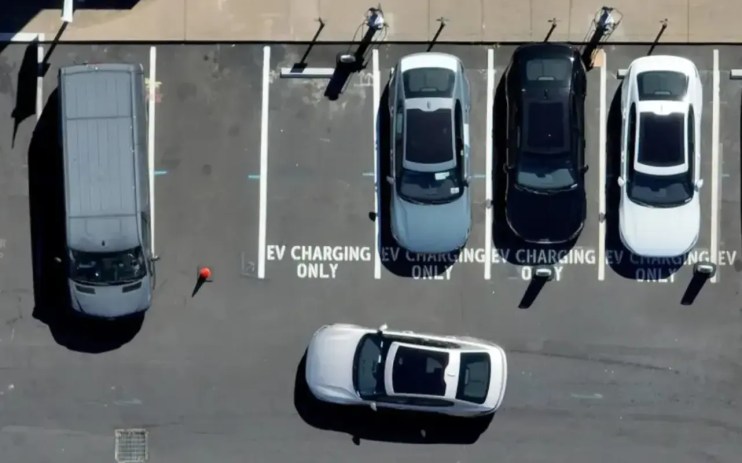
The UK government has reintroduced grants for electric vehicles (EVs) in a bid to boost lagging consumer demand, but industry insiders warn that most buyers may be left behind.
Unveiled late last week, the new electric car grant will offer up to £3,750 off the price of a new EV, targeting models priced under £37,000 and meeting strict environmental production standards.
Backed by £650m in public funding, the grant aims to accelerate the adoption of electric vehicles ahead of key net-zero deadlines and regulatory targets facing carmakers.
The grant replaces the plug-in car grant, which was scrapped in 2022 after supporting over 500,000 EV purchases.
Since then, EV growth has been primarily driven by fleet buyers – with private consumer uptake slowing amid high list prices and reduced incentives.
Electric vehicle grant: Complex criteria
Unlike its predecessor, the new grant is not a flat-rate subsidy.
Instead, eligible vehicles will fall into environmental ‘bands’ based on how much carbon is emitted during their production – including battery manufacturing and vehicle assembly.
Cars in ‘band one’ will qualify for the full £3,750; ‘band two’ vehicles will receive a reduced £1,500 discount.
The government has not yet published the exact thresholds for these bands, but said they would be based on verified Science-Based Targets (SBTs) and energy efficiency scores indexed to regional electricity grid emissions.
Only manufacturers with approved SBTs and qualifying carbon intensity data will be allowed to register vehicles for the scheme.
The Department for Transport (DfT) confirmed that buyers themselves will not need to apply; manufacturers will handle submissions.
Vehicles sold from 16 July may be eligible even if final approval is pending, as long as all conditions are eventually met.
The funding will be distributed on a first-come, first-served basis – and could be cut without notice once the budget is exhausted.
Most EVs won’t qualify
While the auto industry has broadly welcomed the reintroduction of the grant, many warn that the scheme’s design may blunt its impact.
“Electric car registrations have been growing steadily, but the private buyer has had little support since 2022,” said Steve Walker, head of digital content at Auto Express. “Around 70 per cent of new EVs still cost more than £40,000 – so they won’t benefit from this grant at all.”
Adding to the challenge, EVs over £40,000 are no longer exempt from the ‘expensive car’ road tax supplement, which adds £410 per year for five years – an additional £2,050 on top of the sticker price.
The grant’s £37,000 threshold excludes several mainstream models, including the newly released Vauxhall Grandland Electric, priced at £37,500.
Industry figures suggest that the limit may need to be revisited if uptake remains low.
Regulatory pressure mounts
The grant also arrives at a critical moment for manufacturers, who are under pressure to meet the UK’s Zero Emission Vehicle (ZEV) mandate.
Under this regulation, 28 per cent of all new cars sold in 2025 must be fully electric – or manufacturers face £12,000 fines for each non-compliant vehicle.
So far this year, around 25 per cent of sales have been electric, meaning the industry is narrowly behind target.
“The return of this grant is a clear signal from government, and it will help drive EV demand in the private market,” said Mike Hawes, chief executive of the Society of Motor Manufacturers and Traders (SMMT). “But, rapid deployment and awareness will be key”.
Volkswagen, Ford, and Renault also welcomed the scheme, though all said further detail was needed before assessing how many of their vehicles would qualify.
Britain’s transition to zero-emission transport
The grant is part of a wider £2.5bn programme, ‘Drive35’, aimed at supporting Britain’s transition to zero-emission transport.
That funding covers R&D, manufacturing support, skills and training for the EV sector.
“Economic growth is our top priority,” said business secretary Jonathan Reynolds. “We’re making sure the UK stays at the forefront of zero-emission vehicle innovation and production.”
Still, many in the sector believe the new grant is a starting point, rather than the final answer.
“The announcement is a welcome boost,” said Walker, “but it doesn’t fix the affordability gap for most buyers. A grant is helpful – but the broader cost structure of EV ownership needs serious attention.”