Winter fuel payments to return for 9m pensioners in £1.3bn Labour u-turn

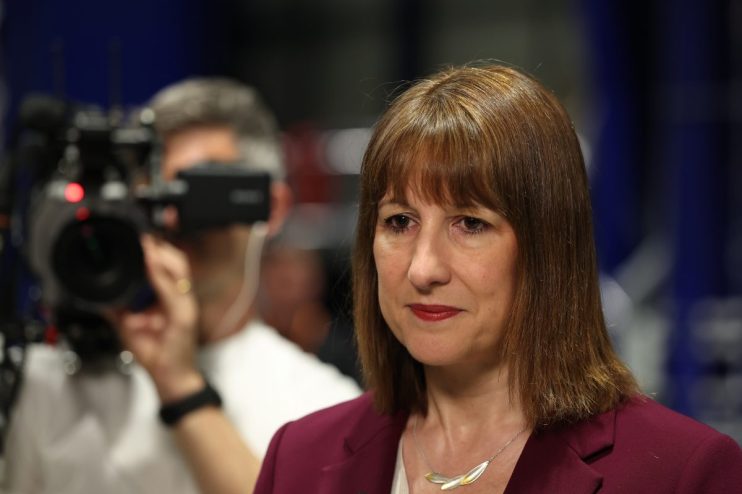
The winter fuel payment will be handed out to 9m pensioners whose income falls below £35,000 a year, the Treasury has revealed, in a £1.25bn blow to Chancellor Rachel Reeves’ chances of keeping her £9.9bn headroom intact.
The government’s U-turn on winter fuel payments was revealed last month following poor council election results and fury from Labour backbenchers, while leading City analysts have warned the policy reversal will increase the chances of taxes getting raised in the autumn.
The Treasury has said the reinstatement of the benefit will cost £1.25bn, which is more than half the previous £2bn saving the government made from cutting payments.
Chancellor Reeves has said the adjustment will mean three-quarters of pensioners are set to receive payments this winter.
The initial cut, announced within months of Labour’s election, was made due to pressures on public debt, with Reeves blaming her predecessor, Jeremy Hunt, for the state of public finances despite changing fiscal rules to allow for more borrowing.
“Targeting winter fuel payments was a tough decision, but the right decision because of the inheritance we had been left by the previous government,” she said.
“It is also right that we continue to means-test this payment so that it is targeted and fair, rather than restoring eligibility to everyone, including the wealthiest.
“But we have now acted to expand the eligibility of the Winter Fuel Payment so no pensioner on a lower income will miss out,” she added.
Cost of winter fuel payment U-turn
Pensioners will “automatically” receive the minimum £200 payment via the UK tax system and will not need to register with HMRC.
Government officials will hope the announcement of full details around the winter fuel payment will draw an end to a political row which saw Reform UK and the Conservative Party oppose cuts and pile further pressure on Labour.
But economists will be closely monitoring government savings in other areas, given the failure to follow through on £2bn cuts.
Institute for Fiscal Studies associate director Jonathan Cribb said a reinstatement of winter fuel payments would add “administrative and hassle costs,” which could pinch the public purse.
Reeves’ £9.9bn headroom left in the Spring Statement is expected to be eliminated by the autumn, according to some independent calculations.
The Spending Review on Wednesday, which will draw out government plans between 2026 and 2029, is likely to be a key opportunity for the government to ease tax hike fears.
Liberal Democrat leader Ed Davey celebrated the move as he said the cut had caused “misery” for pensioners across the UK.