London house price growth cools as rents continue to climb

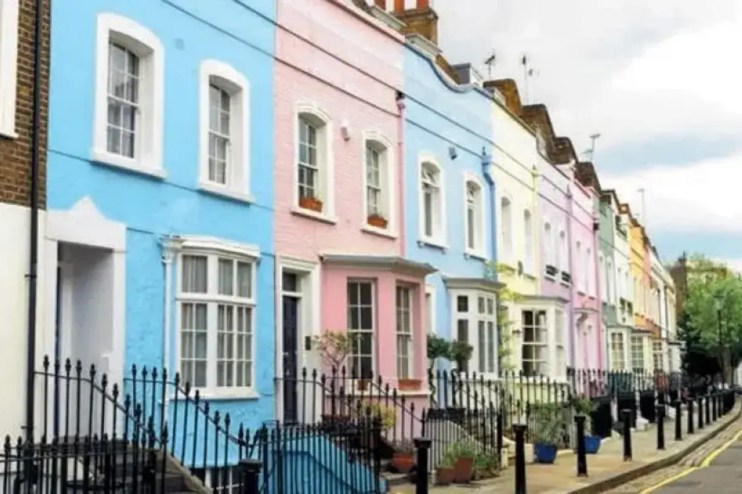
Annual house price growth in London was just under one per cent in April, although rents continued to climb above the national average.
Average house prices in the UK as a whole increased by 6.7 per cent £296,000 in England in the 12 months to April 2025, according to new data from the ONS.
Prices in London, however, rose just 0.8 per cent to hover around £560,000.
Despite the small rise in house prices, average rents rocketed up 8.4 per cent in the year to April, closely following an 8.7 per cent rise the previous year.
“Rents continue to outpace house price inflation across the UK… the challenges of accessing home ownership due to higher mortgage rates have driven demand for rented homes higher, alongside high levels of migration for work and study,” Richard Donnell, Executive Director of Research at Zoopla said.
However, Donnell noted that rental inflation has started to slow as mortgage rates stabilise and migration slows.
London rental growth was beaten only by the North East, which saw growth of 9.4 per cent.
The difference between the cost of renting a property in the two areas remained wide, however – average rent was highest in London at £2,246, and lowest in the North East at £728 in April.
Nathan Emerson, CEO of Propertymark, said: “Overwhelming demand within the rental sector continues to influence price increases for those who rent.
“We continue to witness, on average, around ten applicants for every property available to rent and this is a situation that has broadly remained stagnated across the last five years.”
Emerson said it was “imperative” that supply rises to meet demand.
This supply is more likely to come from professional property investors than private landlords, as the cons of being a small-scale landlord increasingly outweigh the pros.
Inflation spike to hit affordability
Inflation ramped up to three per cent in April, higher than the last monthly peak seen in October 2022 when inflation deteriorated.
“A jump in inflation was expected but the spike to 3.5 per cent exceeded forecasts and is bad news as far as future interest rate movements are concerned, making it harder for the Bank of England to cut rates again in the near term,” Mark Harris, chief executive of mortgage broker SPF Private Clients, said.
“Swap rates have been on an upwards trajectory since the last Monetary Policy Committee meeting on 8 May when the voting revealed a three-way split among members. Swaps are likely to rise further in the short term as a result of the latest inflation figures,” he added.
Swap rates, which measure how high inflation is expected to be in the future, are directly related to mortgage rates.
Emerson, however, said that affordability will be helped by the Bank of England’s “consumer-friendly” position.
“Over the coming months, we should see mortgage products become available that deliver more affordability and help boost consumer confidence,” he said.