What’s behind the post-pandemic tumble in Diageo and Pernod Ricard shares?

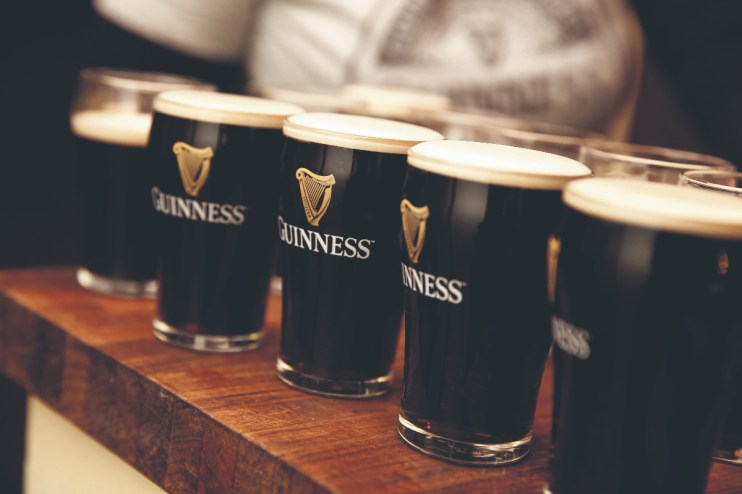
Two of the world’s biggest drinks companies, Diageo and Pernod Ricard, have had a bruising time of it on the stock market in the last two years.
Since mid-2023, shares in Pernod Ricard have dropped nearly 60 per cent, while market leader Diageo has seen its share price fall over 40 per cent.
A lot of this is cyclical: a general post-pandemic slump leading to slow demand in the US and China, plus bad weather in Europe and inventory stocking in the Americas led to slower sales and a dip in investor confidence.
Low sales in Latin America have been a particular thorn in Diageo’s side, with a slump in regional sales largely behind a five per cent year on year drop in profit in 2024.
Jeffries analysts said that while the current environment is “tough”, the “pressures are largely macro… cyclical, not structural”.
“In the US, consumers are spending 22 per cent more for 8 per cent less in grocery baskets vs four years ago, which is driving weaker volumes… as wallets recover, we would anticipate stronger growth,” analysts said.
RBC analysts also pointed out that in Diageo’s case, over-promising investors may have backfired on their share price.
“We think that Diageo’s share price decline has been attributable to analysts’ and investors’ historical unrealistic expectations of its prospects – stimulated by the company’s over-exuberant medium-term guidance – than imparting any information about the shares’ valuation now,” analysts said.
Analysts added that share prices would naturally rise with a boost to global economic outlook.
Quantifying the unknown: Gen Z and Ozempic
Whilst a lot of the issues in the drinks market may be cyclical, there are two significant structural factors looming on the horizon: Gen Z drink less than their elders, and Ozempic makes users not want to drink at all.
“[There is a] structural trend of people drinking less… continu[ing] from one generation to the next.” Verushka Shetty, equity analyst at Morningstar, said, adding that Gen Z drinks 20 per cent less than millennials do.
The share of UK households with GLP-1 users, the active ingredient in weight-loss drugs, has also doubled in the last year.
Customer insights firm Kantar has drawn a link between grocery sales and Ozempic usage, with analysts Fraser McKevitt calling it “a trend to keep an eye on”.
There are a number of clinical trials aiming to explore the relationship between GLP-1 and alcohol, and anecdotal reports say Ozempic curbs desire for alcohol.
These factors may even compound each other: It is young consumers who have shown the most interest in using weight-loss drugs like Ozempic.
If the trends persist, they will cause a shift in the way the world consumes alcohol. Veteran fund manager Terry Smith made waves in January when he dumped his stake in Diageo, arguing that the rise of weight loss drugs was a threat to the alcohol industry.
RBC analysts have called these two effects “unquantifiable headwinds” for the industry.
Is premiumisation the answer?
As companies grapple with lower demand for alcohol – for both structural and cyclical reasons – many brands have turned to premiumisation.
“We see premiumization as a long-term growth driver, with brands adjusting to new, niche trends, from tequila surges to the decline of cognac,” Verushka Shetty, equity analyst at Morningstar, said, adding that the move “offers promise”.
It’s a trend that has been gaining ground across more than just alcohol brands: retail, too, has seen a shift to premium spaces and experiences in the last year.
In fact, ‘premium’ – neither luxury nor day-to-day – stores has been one of the only retail winners in the last year.
Higher-margin, premium experiences and goods fit into the wider market trend of Brits – and consumers worldwide – opting to ‘treat themselves’ to fewer, more expensive purchases.
“[Premiunisation] is not a new trend, but it’s a trend that we believe has real longevity,” Julie Bramham, managing director of The Diageo Luxury Group, told City AM last year. “It’s an attractive marketplace.”
Jeffries analysts noted that while premiumisation stalled last year, that was merely an “adjustment” to the huge increase in prices during the pandemic: “The trend to drink better has continued.”