Wetherspoon sales could turn flat as cost pressures brew

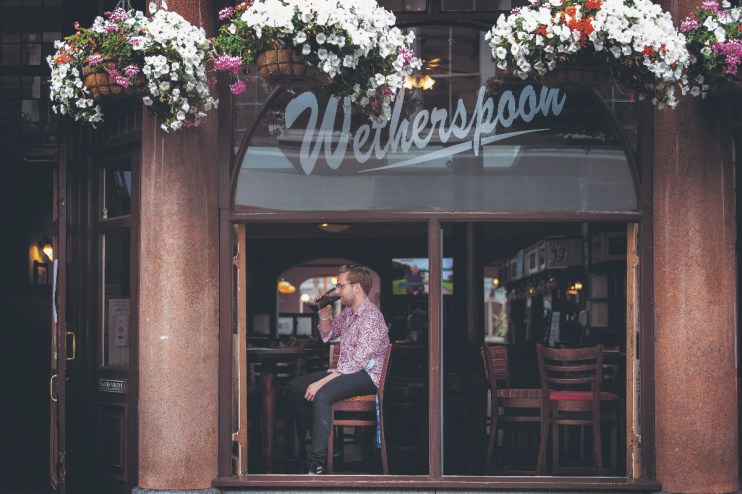
Never known to shy away from calling out the issues that push up the price of a pint, JD Wetherspoon boss Tim Martin looked to be setting expectations at the weekend when he warned the war in Iran will hit punters in their pockets.
The UK’s best-known pub chain will announce its half-year finances on Friday, and its profit warning in January has left investors preparing for a bitter taste.
The pub chain outperformed expectations for the first quarter of the 2025 financial year, as bar (6.9 per cent), food (1.3 per cent) and fruit machine (9.1 per cent) sales all grew, leaving total sales up nearly five per cent year on year.
But Wetherspoon revised down its profit forecast for the first half of the year, which will be reported on Friday, as Martin bemoaned £45m of increased costs arising from energy bills, wages, repairs and business rates.
Analysts now expect operating profit for this period to come in at £60m, down eight per cent from the same time last year.
This unexpected hit caused damage to the FTSE 250 firm’s share price, which fell by eight per cent from the day before. The stock recovered slightly into February but has since fallen even lower, as hospitality firms brace for rising costs as the energy price and supply chain pressures of the Iran war take hold.
On Wednesday Wetherspoon’s share price stood at 650p, down 13 per cent in the year so far but seven per cent up from the same time last year, when the stock slumped to a low point of 540p.
Energy costs ‘bad news for pubs’
Martin appeared to be paving the way for potential hikes to pint prices at his own pubs when he told The Telegraph at the weekend that energy cost increases could end up inflating food and drink costs.
“Rising energy costs are bad news for pubs. As well as direct increases for gas and electricity, they make customers poorer and also push up the costs for suppliers,” he said.
This is despite Wetherspoon’s energy prices being fixed until 2029, years longer than some of its competitors, according to Peel Hunt.
Derren Nathan, head of equity analysis at Hargreaves Lansdown, said the pub chain is likely to strike a similarly cautious tone in its update at the end of the week.
“Rising fuel and energy prices in the wake of the war with Iran could cause a further squeeze on the group’s margins and its customers’ spending power, so some caution is to be expected,” he said.
Oil prices jumped from their average $73 per barrel to over $100 last weekend, as blockages to the Strait of Hormuz, a crucial shipping channel, continued to bite.
Cost pressures come to a head
These additional costs come on top of a suite of tax hikes which have been fiercely opposed by pub landlords across the country, not least Martin himself.
Changes to the business rates system which were meant to reduce costs for retail and hospitality firms ended up hiking bills for thousands of pubs, prompting a vicious row which finally ended when Chancellor Rachel Reeves promised a £300m emergency package for landlords.
Employment costs are also on the rise, as retail and hospitality bosses warn hikes to the minimum wage and Labour’s workers’ rights reforms risk undermining the flexible labour which pub landlords often rely on.
Analysts warn the conflict in the Middle East could have further indirect impacts for Wetherspoon, for example if rising inflation in the UK makes Brits feel they have less spare cash to spend in the pub.
Richard Hunter, head of markets at Interactive Investor said: “The group will be mindful that prospects for the UK economy are currently tepid at best, which could yet result in the consumer choosing to stay at home rather than venture out as the more challenging financial times bite.”