Was Fifa able to sack senior exec Lamour without consequences? A lawyer explains

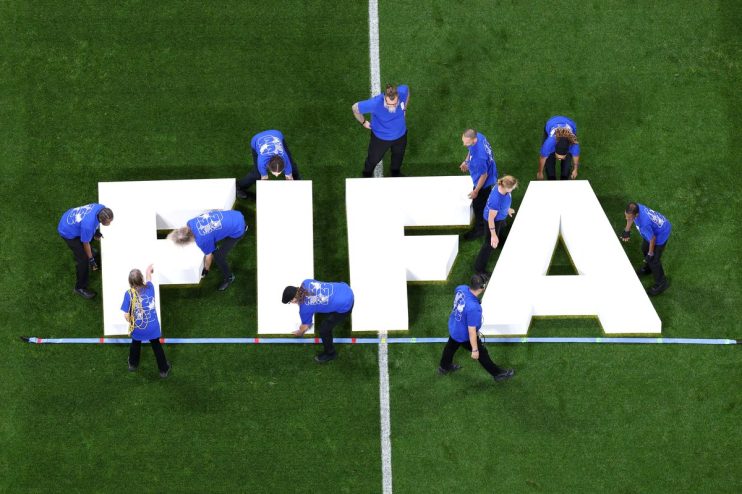
Fifa’s chief operating officer, Kevin Lamour, has been shown the ultimate red card after being sacked from his senior executive role last week.
The dismissal followed Lamour’s recent criticism of Gianni Infantino’s proposal to sell a stake in Fifa’s tournament business. Despite Fifa U-turning on this decision after a strong backlash, it appears that no VAR was required to seal Lamour’s fate and his very public firing.
Lamour’s exit was entirely foreseeable once it was confirmed that Infantino would maintain his Fifa presidency. As a senior executive, Lamour would have been held to a higher standard of expected behaviours and it is possible that his actions were perceived as demonstrating a lack of loyalty to, and unity with, Infantino’s leadership. From a legal perspective, his public criticism could be viewed as insubordination and a fundamental breach of the trust required for Lamour to remain in his role.
If this employment matter had played out in the UK, Lamour’s actions would have provided potential grounds for dismissal for “some other substantial reason”. This is the regularly overlooked and ambiguous ground for terminating an employee’s employment under Section 98 of the Employment Rights Act 1996.
An employer may be able to rely on this ground for dismissal where an employee’s employment agreement contains clear contractual obligations concerning behaviours. This would particularly be the case where there is a contractual requirement to not publicly take an opposing stance to the business or its leaders.
This does not mean that employees are required to always agree with the actions of their employer or its senior representatives. Internal challenges are part and parcel of an executive’s role. The right to challenge employers is particularly demonstrated in whistleblowing scenarios or where an employee feels that their employer’s actions impact their own reputation or good standing.
However, employees should consider the appropriate forum for raising concerns and, where possible, this should be conducted internally and privately in the first instance. Employers are recommended to have policies in place that specifically deal with this.
Law change set to open floodgates for costly unfair dismissal claims
In Lamour’s case, it is possible that a formal process was not followed to terminate his employment. For UK employers wishing to follow suit, it is imperative to give due consideration to a senior executive’s tenure and internal disciplinary processes that should be followed before pulling the trigger on termination.
This will be particularly relevant from 1 January 2027 onwards when the qualifying period for ordinary unfair dismissal rights will materially reduce from two years to six months as a result of the Employment Rights Act 2025.
Fifa’s announcement suggests that there was a mutually agreed parting of ways with Lamour, and its public announcement stated that “no further comment will be made on the matter”. These are both tell-tale signs that a financial settlement may have been entered into to terminate Lamour’s employment.
Strategically, settlement can be a very effective and sensible means for employers to resolve employee relations issues promptly, privately and equitably. Typically, this is not a cheap option but is often the lesser of two evils when compared to the costs and time involved in conducting a disciplinary process and defending litigation.
Before hastily jumping on Fifa’s bandwagon, employers should be mindful that settlement costs are due to get considerably more expensive from the start of next year when the £123,543 cap on compensatory awards for unfair dismissal claims is lifted entirely.
Among employees who will benefit most from this legislative change are senior executives who may have previously been discouraged from pursuing claims for unfair dismissal.
Jade Gooding is an employment senior associate at law firm JMW.