Starmer clings on as defence spending plan in disarray after resignations

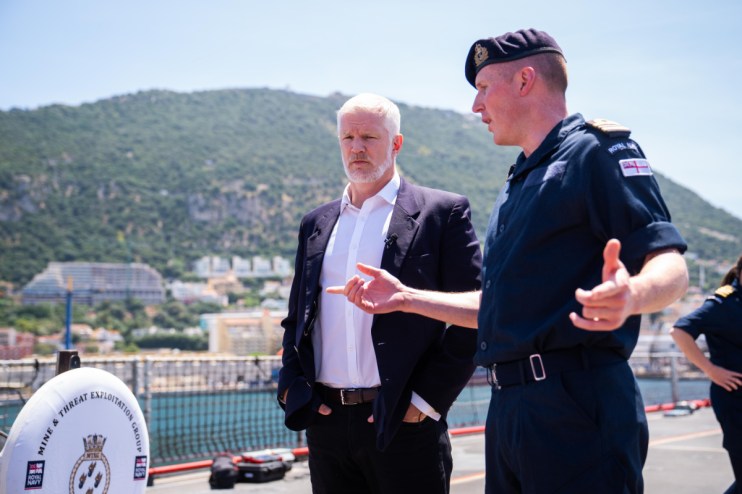
Sir Keir Starmer’s premiership has been dealt another major blow as defence ministers quit the government over a lack of funding for security.
It was confirmed on Friday that the Defence Investment Plan had still not yet been completed after months of wrangling and delays.
But on Thursday, John Healey resigned as defence secretary in a brutal announcement that criticised Starmer and Rachel Reeves over failing to provide funding for defence spending. He said a draft for the plan handed to him earlier this week did not raise defence spending to three per cent of GDP by 2030.
Later in the evening, the armed forces minister Al Carns, who has been touted as a potential future Labour leader, also quit over the funding.
Carns cited “inadequate” funding in a letter to the Prime Minister and added to accusations levelled against Starmer that he was failing to defend the country. He also criticised the plan’s lack of focus on innovation and lessons learnt from Ukraine.
Healey’s blistering letter said Starmer was “unable” and “unwilling” to fund defence, adding: “Your DIP financial settlement – which I was first given in full on Monday afternoon this week – falls well short of what is required for defence and the country at this dangerous time.”
Industry leaders also expressed regret at Healey’s resignation and blasted the government over failing to deliver the Defence Investment Plan, the 10-year blueprint for the UK’s spending on procurement and spending.
Starmer hit back at accusations he was not protecting the country, writing that “strong public finances” were key to keeping the country safe and that “irresponsible borrowing only puts that at risk”.
He said: “I am determined to rebuild our country after years of being buffeted by crises.” A spokesperson added that the Prime Minister was “proud” of raising spending by cutting the international aid budget. The government also signalled it was set to trim budgets across other departmental budgets.
The former security minister Dan Jarvis, whose brief fell within the Cabinet Office, was appointed as the new defence secretary.
Another two parliamentary private secretaries to defence ministers, Pamela Nash and Rachel Hopkins, also followed Carns and Healey to the Labour backbenches.
Starmer’s authority undermined
The resignations are widely viewed as the biggest blow to Starmer’s authority yet given scathing assessments of his government’s promises on defence not living up to expectations. The Prime Minister had previously won rare praise over his focus on security and diplomatic skills.
Healey’s resignation also did not refer to ongoing leadership battles in the party that threaten Downing Street.
Should Andy Burnham win the Makerfield by-election next week, he is expected to launch a bid to become leader. Former health secretary Wes Streeting is also set to enter the race while Starmer’s spokesman said as recently as Wednesday that he would also take part to be “in it to win it”.
Committing to an uplift in defence spending to three per cent of GDP by 2030 – or reaching the Nato target of 3.5 per cent by 2035 – could be a problem for any leader taking to Number 10.
Despite cuts to other departments to fund defence spending, Starmer only offered around £13bn in extra cash despite around £28bn being demanded. When asked about whether welfare savings would be introduced to fund defence, a spokesperson said the government was “reforming welfare” but would not set a “time frame” on changes.
Raising defence spending to 3.5 per cent of GDP would require around £40bn in extra cash each year.
Labour officials have sparred with the Treasury over unveiling a new bond issuance programme although Reeves has remained committed to keeping her fiscal rules. Both the Chancellor and the Prime Minister have also opened the door to tax rise and declined to comment on imposing welfare cuts.