Spring Statement: stability today, storms tomorrow

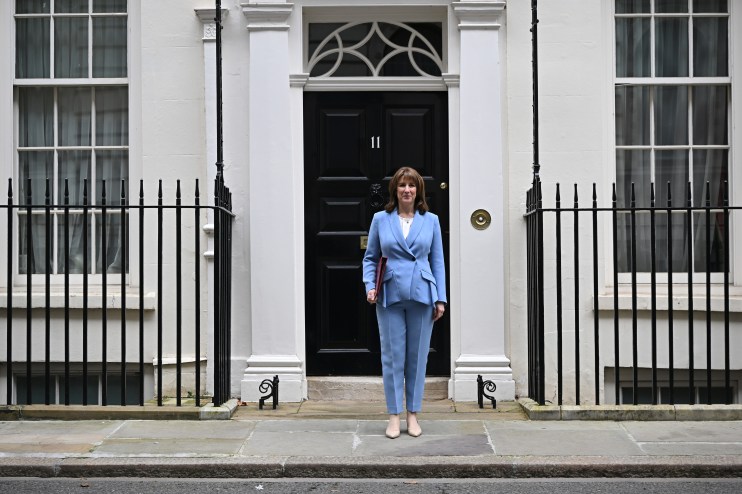
The Spring Statement successfully avoided immediate policy changes and provided the Chancellor with increased fiscal headroom, but risks loom from international conflict and unsustainable spending plans, says James Nation
The Treasury and the Chancellor did everything possible to convince us that this time would be different. The ‘Spring Forecast Statement’ fell on a Tuesday, not a Wednesday. We were promised no policy changes, and in fairness that’s what we got. The long-held dream of Treasury officials to avoid the tinkering of a second fiscal event has finally become a reality. It was well executed.
In addition, with the OBR currently without a chair and with one of the shortest gaps ever between forecasts, the figures themselves didn’t really deliver any surprises. The downward revision in near-term growth puts Reeves under pressure, but that’s doubtless why the Chancellor will be making another ‘growth speech’ shortly. Expect this to major on deeper EU-UK ties – an area where the Labour Party is increasingly convinced there’s the political space to go further and where prospective leadership candidates will try to outbid each other. In reality, negotiations with Brussels will be as difficult as they’ve ever been, with live, thorny issues such as the UK’s treatment under ‘Made in Europe’ proposals.
Otherwise, while we saw a revision to migration, this will be something the OBR likely returns to in the autumn. Plus, the good news for Reeves overall was another sizeable boost to the receipts forecast, largely due to rising equity prices. This meant she was able to boast an increase to headroom against her main fiscal rules.
Illusory forecasts
However, stepping back, the danger is that these forecasts will soon become illusory if we see a sustained impact stemming from the current conflict in Iran. The Chancellor might have got her ‘stability day’ today, but there are problems stored up for later. Should there be another energy price shock, then it’s difficult to see how the Government can proceed with the planned increases to fuel duty from September.
Reeves said at the dispatch box that “we must reject a return to austerity”, yet the OBR assume that her spending plans today will mean a 4.4 per cent a year fall in real terms for unprotected departments in the last two years of the forecast. This will be news to Cabinet Ministers and Labour MPs, and a challenge for the Spending Review next year.
In the near term, expect there to be continued pressure on the Prime Minister and the Chancellor to find some way of funding a ramp up in defence spending beyond 2.5 per cent of GDP in 2027, particularly given the exposure of UK assets in the Middle East. Plus, on the domestic front, it wouldn’t surprise me to see some ‘review’ into student loans financing miraculously emerge in the coming days or weeks. Big problems, but ultimately for another day and – in the end – maybe that was the whole point.
James Nation is managing director at Forefront Advisers