How Fevertree is taking on tap water to woo Gen-Z

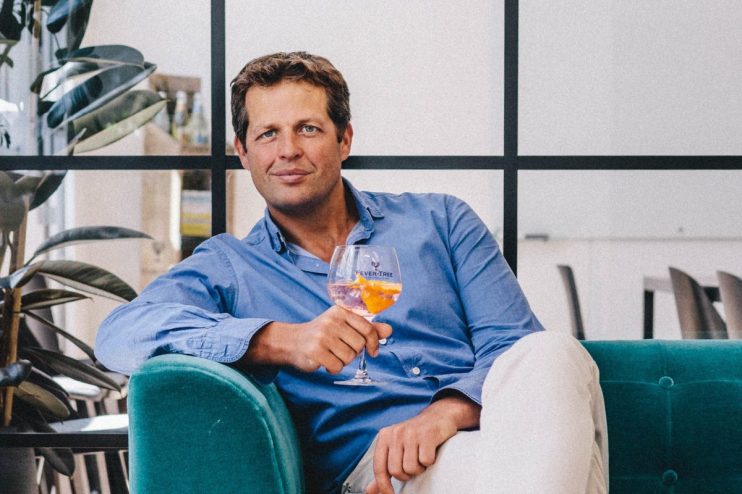
The world’s biggest ginger beer producer is waging war on tap water. Fevertree, best known for its premium tonics, is urging customers to see its products as standalone soft drinks, rather than as mixers for the harder stuff.
“Tap water is not a very appealing, aspirational alternative” to alcohol, says the drinks maker’s chief executive, Tim Warrillow. It is no secret that Gen-Z is drinking in moderation, he says, but they are still going out.
“It doesn’t mean that they’re all sitting at home. It is those occasions when people are looking for a non-alcoholic or soft-drink alternative. That, for us, is in the hotel, bar [and] restaurant trade, as well as for socialising events at home,” he says.
The same is true for the “plus-45” year-old consumer, Warrillow claims. “People want to be drinking better quality, more sophisticated drinks that don’t make them feel as if they are missing out or compromising when people around them are drinking alcohol.”
Nor do the restaurants, pubs and bars – known as the ‘on-trade’ market – which Fevertree supplies, he adds. “They themselves are wanting to push and promote better-quality, more premium products with more attractive margins.”
Is the fear of missing out (FOMO) Fevertree’s biggest catalyst, then? “I suppose so, I suppose it is. We’re all seeing this.”
Share slide ‘took us by surprise’
Fevertree’s push into soft drinks has not been easy to swallow for all, however.
Last week, the AIM-listed drinks brand posted a seven per cent jump in revenue to £49.5m in the first half of the year. Pre-tax profit grew by a third to £14.6m, as the company framed summer record temperatures as the ideal test-case for this new strategy. But investors felt differently, as the group’s share price slipped nearly six per cent following the update.
“Fevertree has remained a premium name on the shelf, but its shares have struggled to command the same enthusiasm. The pieces may be beginning to fall into place, although investors are not quite ready to toast the turnaround,” said eToro analyst Mark Crouch.
The market reaction “has taken us all by surprise,” Warrillow said. “As far as we’re concerned, these are very strong results, ahead of market expectations.
“I’ve grown cautious about commenting on early share price movement, and I suppose I will remain so, but I am very, very surprised by how it has moved. But I’m optimistic that, [once] these results are better digested, that will change.”
The tonics tycoon may yet be proven right, as the drinks firm’s share price recovered by about 1.5 per cent ahead of Friday’s market close.
Beer giant boosts American dream
The premium mixer maker has zeroed in on teetotallers across the Atlantic to make its reinvention stick. Warrillow moved to the US 18 years ago to kick off Fevertree’s launch in the States but its American growth moved up a gear last year, when it signed a distribution agreement with US beer giant Molson Coors.
The brewer’s “muscular” infrastructure is helping to solidify the brand’s gains on closest rival Schweppes, which Warrillow says is “noticeably below us” in terms of market share across several products.
Earlier this year, the brand launched its first marketing campaign in the US, targeting television streams of sporting events like Wimbledon and the US Open. “It’s our biggest market, it’s our fastest-growing market and there’s no question that that’s where we see the biggest future potential for the brand,” he says.
Back in the UK, Warrillow’s gaze is firmly set on the upcoming October Budget. Andy Burnham’s government has already committed to a 20 per cent business rates cut for pubs and live music venues but the Fevertree boss says he’s hoping for a further “boost” for hospitality.
Industry leaders have pointed to rising employment costs, onerous packaging levies and the new tourist tax, which they say are contributing to the “significant burden” which is still weighing on pubs and bars.
“I hope there is a boost for hospitality. Full stop, not just from our perspective but generally,” Warrillow says. “They certainly deserve it, and it certainly makes [ours] a happier, better country and environment to live in. And, along the way, it will help us a bit as well.”