Rachel Reeves to scrap fuel duty hike

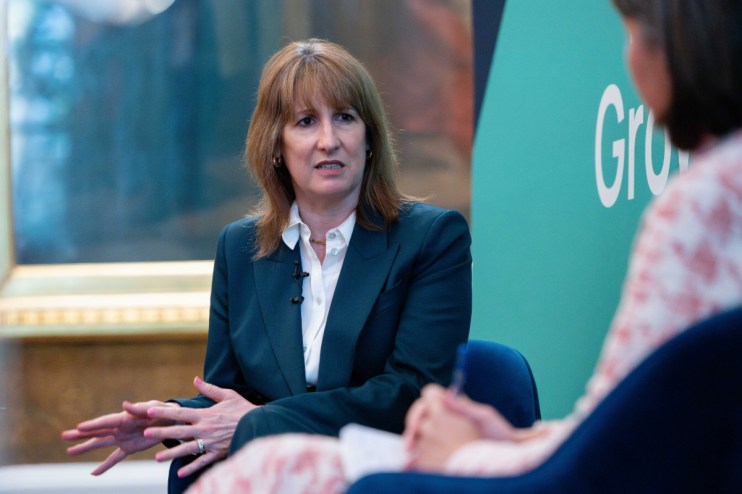
Rachel Reeves is set to scrap plans to hike fuel duty, following pressure over the impact of the Iran war on fuel prices and the cost of living.
Fuel duty was first frozen by the Tories in March 2022 and the Chancellor had extended this hold on the rate until the end of August this year, but had refused to say whether she would push it further.
Following the closure of the Strait of Hormuz, pump prices in the UK have soared at their fastest rate since Russia’s invasion of Ukraine in 2022.
Petrol prices have grown from 132.9p to 158.2p per litre since the war broke out, while diesel prices have jumped even higher – from 142.4p per litre before the conflict to 186.8p last week.
At the end of March, a cabinet minister appeared to rule out an extension to the freeze, saying there was “no need to act” on fuel duty.
Reversal to cost £2.4bn
Education secretary Bridget Phillipson had said: “I’m not going to commit months ahead of time when there isn’t a need to act right now, because those protections remain in place.”
The reversal is expected to cost the Treasury £2.4bn.
A host of industries – including farming and manufacturing – have voiced their concerns over the rising cost of fuel.
Last month, a major construction industry body warned that a hike to the tax could risk stalling major infrastructure projects by piling more costs on family-run firms.
Motoring services company the RAC had said that the UK’s fleet of white-van tradesmen are “bleeding cash” because of the particularly steep diesel price inflation.
Reeves’ decision to halt the hike is expected to come as part of a set of measures to ease the cost crunch facing Brits.
Last week, the Chancellor signalled that she would set out plans to tackle the cost of living, following better-than-expected growth figures.
Chancellor in cost of living push
“Because of today’s numbers and the growth that we’ve seen in the economy, next week I will be able to set out more plans to support families and businesses with the challenges that have come from this conflict in the Middle East. I look forward to setting those out next week,” she said.
Last month, a cabinet minister said he expected the economic pain caused by the Iran war to continue for eight months after the Iran war ends.
Reeves is expected to announce the extended freeze, a move first reported by the Sun, on Thursday this week.
Before the Chancellor’s intervention, the 5p per litre hike in the tax on fuel was set to come into force in September on a staggered basis before returning to the full rate by March next year.
The Treasury is expected to make £24bn in tax receipts from fuel duty this year.
But the government’s fiscal watchdog has warned that this tax income is set to fall off a cliff in coming years as a result of the transition to net-zero.
The Office for Budget Responsibility (OBR) said fuel duty receipts were set to jump by £2.2bn to £26.2bn next year due to the reversal of the 5p cut.
But, as fewer and fewer Brits drive petrol or diesel cars – approaching the 2035 date at which only electric cars may be sold – receipts are expected to fall by £1bn between 2030 and 2031.