Reeves’ £1.2bn consultancy savings plan in doubt, watchdog warns

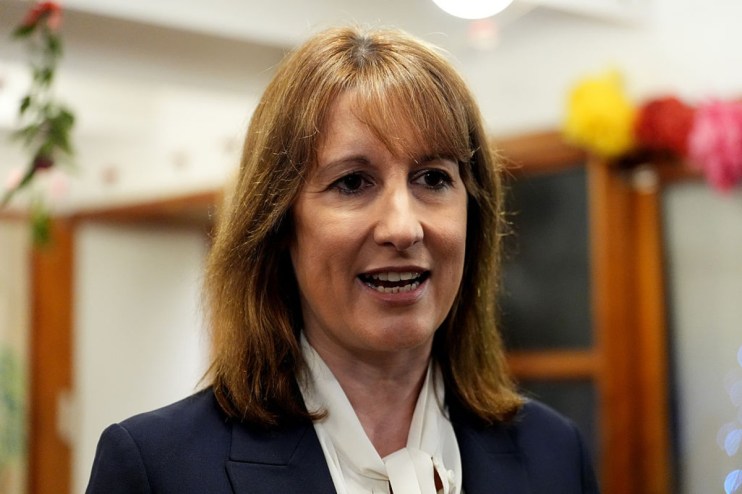
Despite Rachel Reeves’ focus on cutting government spending on external consultancy services, a damning report stated that the government is unable to set meaningful targets to reduce its reliance on external firms.
The UK government has said it wants to put an immediate stop to all non-essential consultancy spending and halve consultancy spending in future years, aiming to save £1.2bn by 2026.
The Cabinet Office also claimed it has already met a £550m savings target for the 2024-25 period.
In a new Public Accounts Committee (PAC) report, it not only casts doubt on the government’s ability to meet its aspiration to put a stop to all non-essential consultant spending, but also shows that it is not even clear if the Chancellor has an effective approach to achieving the savings target.
The previous government withdrew Number 10’s central spending controls on consultancy in 2023 to cut the administrative burden for departments, but it relies on departments to develop their own internal controls on consultancy spending.
How big actually is the government’s consultancy spend?
The report found that the Cabinet Office and Treasury lack accurate data on government spending on consultants, making it difficult to get a handle on the scale of the issue.
The latest estimate of how much the Treasury spends on external consultants was around £1.36bn in 2022-23, but the report noted that other sources put the figure as high as £2.23bn.
The committee has asked for a detailed breakdown of what each department spends on individual private professional service bodies.
It was also established that Andrew Forzani, the government chief commercial officer, revealed to the committee that some departments are not following the guidance when defining consultancy requirements. While the Cabinet Office issues guidance, it does not monitor departmental compliance with procurement rules.
The committee members, including Sir Geoffrey Clifton-Brown, asked the government to identify which departments are not complying with its requests regarding consultancy procurement and what it intends to do to address non-compliance.
The PAC’s report further notes that emerging technologies, such as AI, have transformed the consultancy and professional services sector since 2022, and calls for guidance for departments on the use of these technologies by these providers to be published.
Deputy chair of the PAC, Clive Betts MP, said, “With consultancy spend now wound so tightly into how Departments run their contracted-out work, and with so little and such inconsistent data available, actually bearing down on this spending will be a tough knot to unpick.”
“The consulting sector will of course continue to play an important role in filling any specialist gaps where government truly does not have the requisite skills for project delivery, as well as demonstrating cutting-edge practice in the use of new technologies from which the public sector can learn lessons,” he added.